Can You Cook With Chili Oil? A Practical Guide
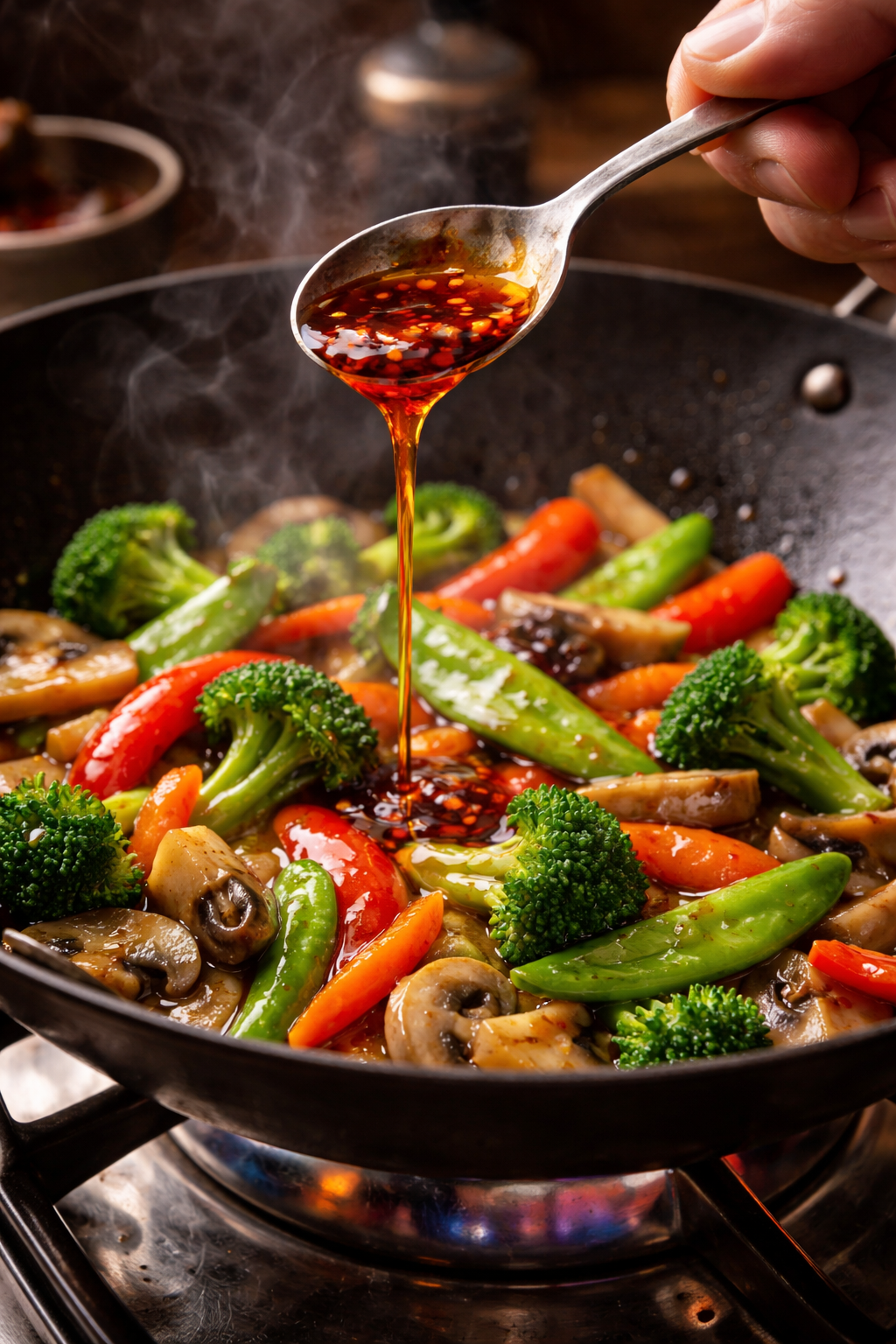
A practical guide to cooking with chili oil — which oil bases survive high heat, how to use chili oil in stir fry, marinades, eggs, and noodles, and what cookability means for product reviews.

 Phil
A practical guide to cooking with chili oil — which oil bases survive high heat, how to use chili oil in stir fry, marinades, eggs, and noodles, and what cookability means for product reviews.
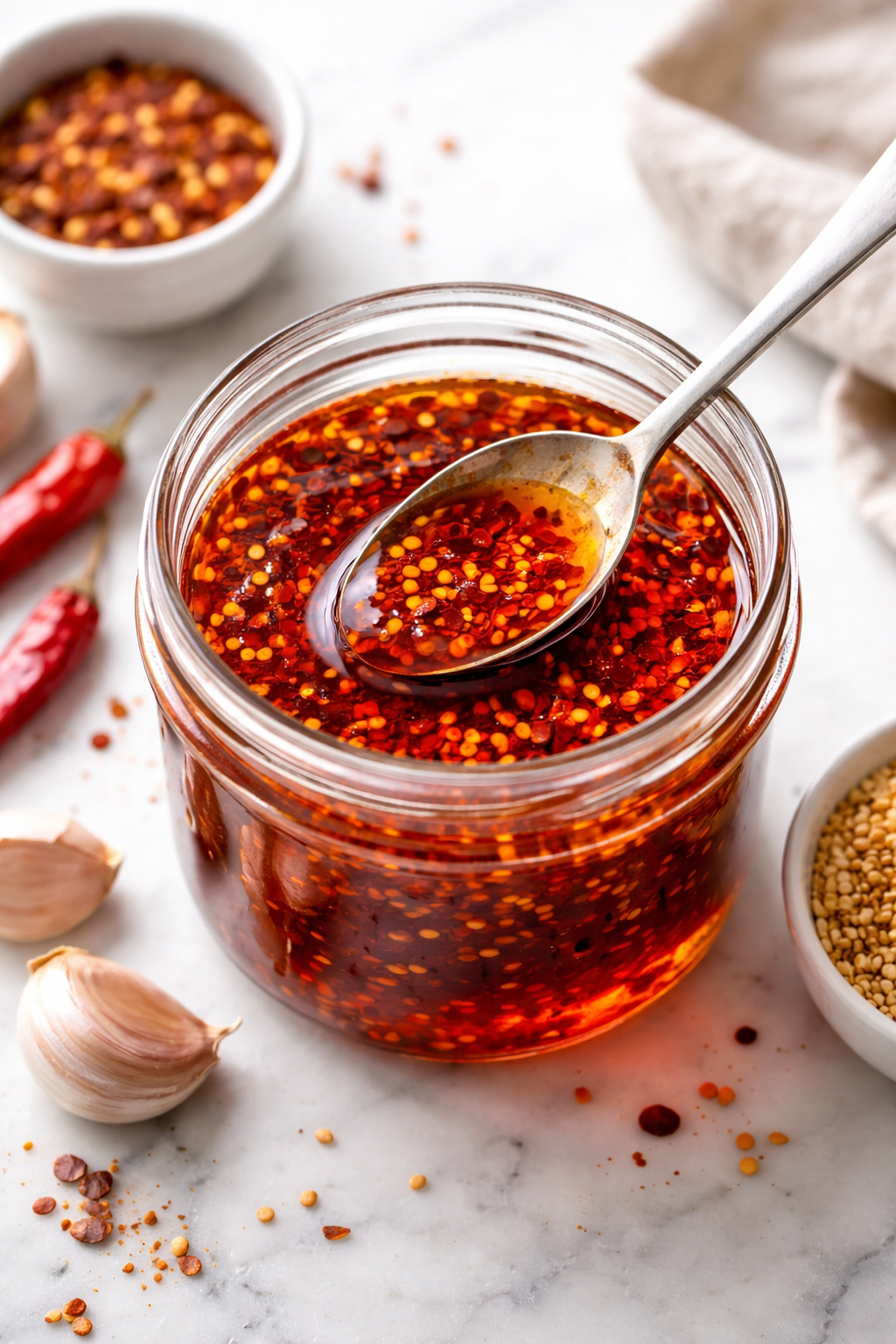
Not all chili oils are the same. Here’s a breakdown of the five main types of chili oil from around the world — what makes each one different, and what to use each for.
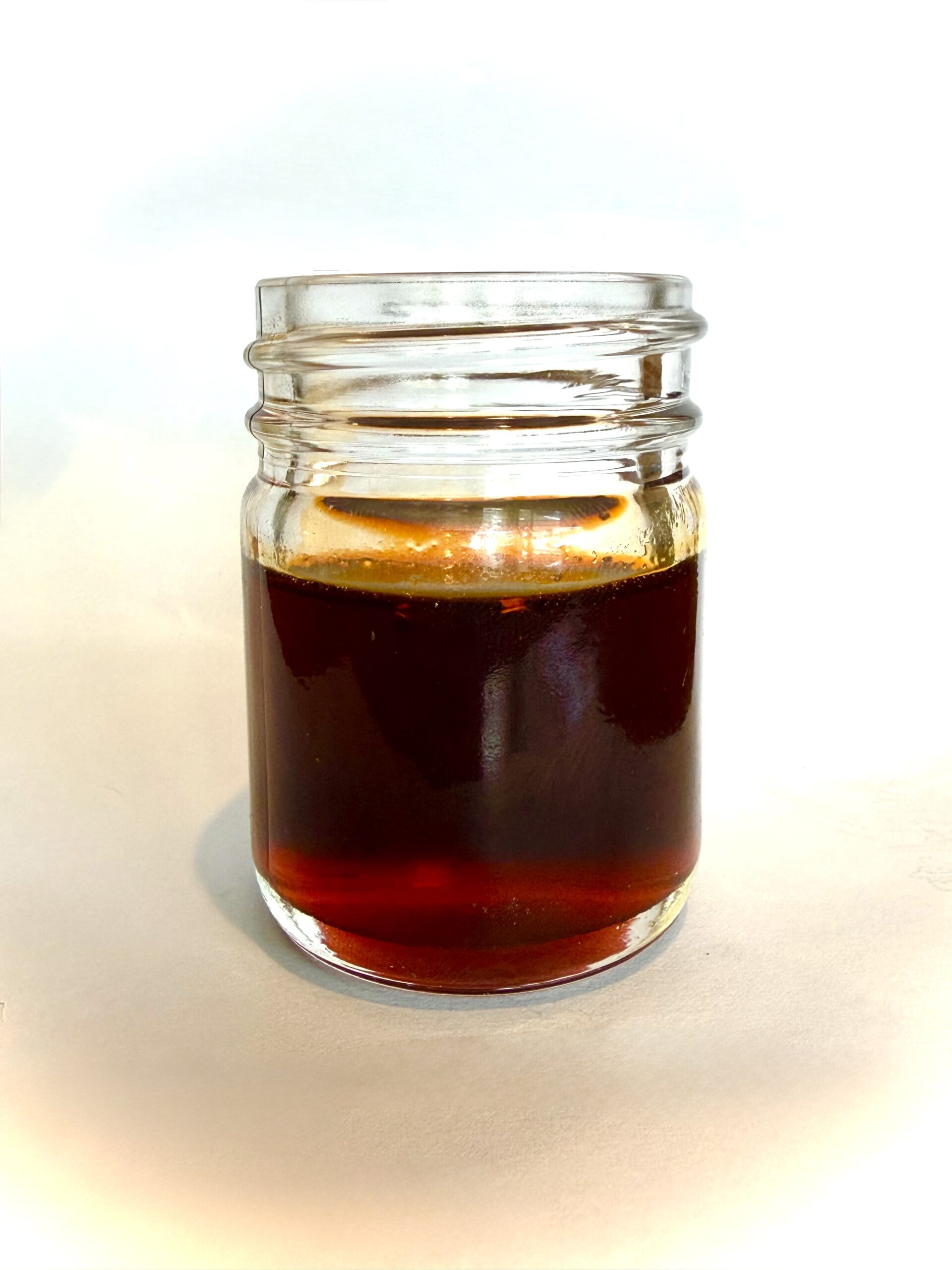
Chili oil and chili crisp are not the same product. Here’s what chili oil actually is, what separates it from chili crisp, and how I evaluate what’s in the jar.
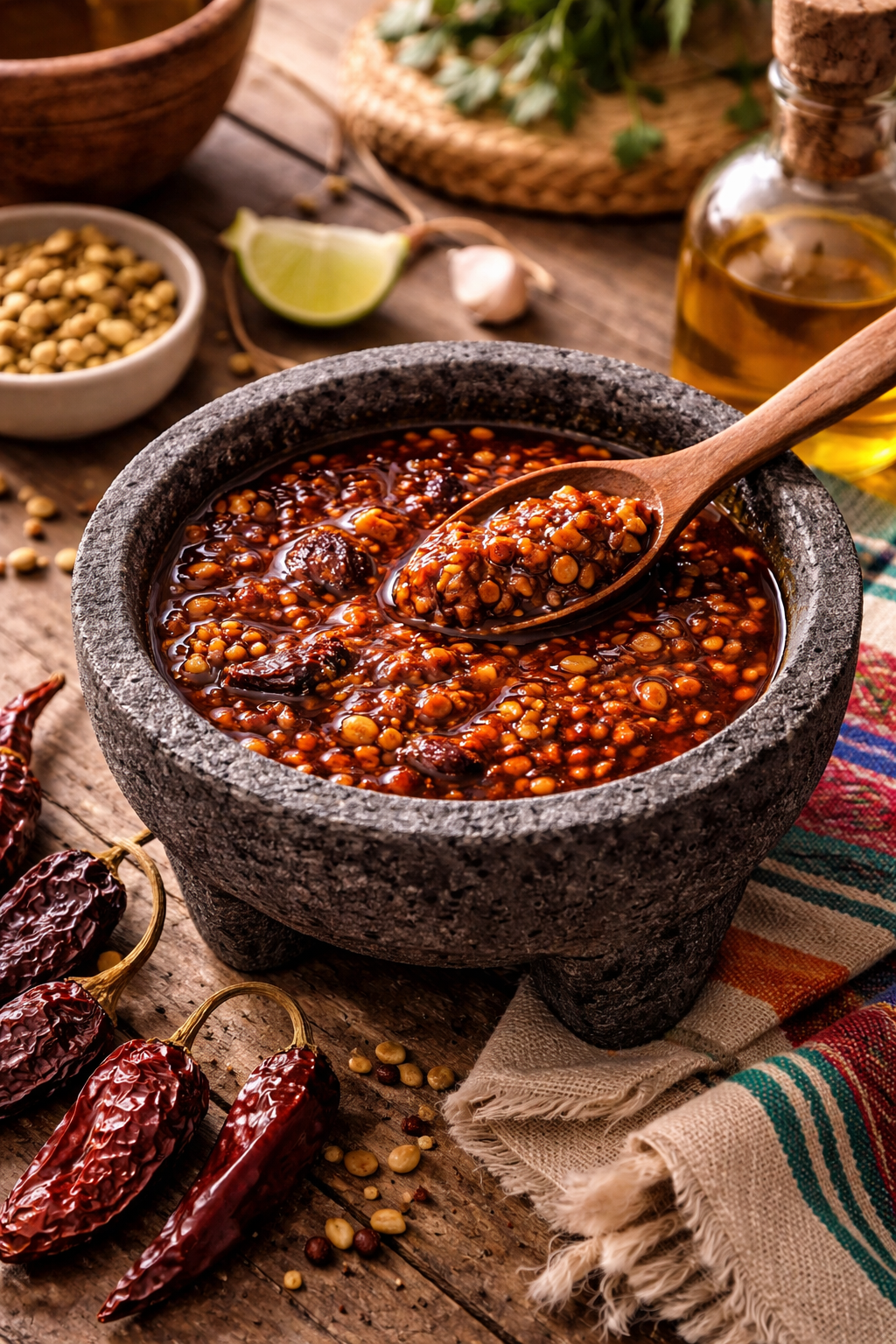
Salsa macha has been a fixture of Veracruz cooking for centuries. Here’s how a regional condiment made from dried chilies, oil, and nuts became one of the most talked-about ingredients in the world.
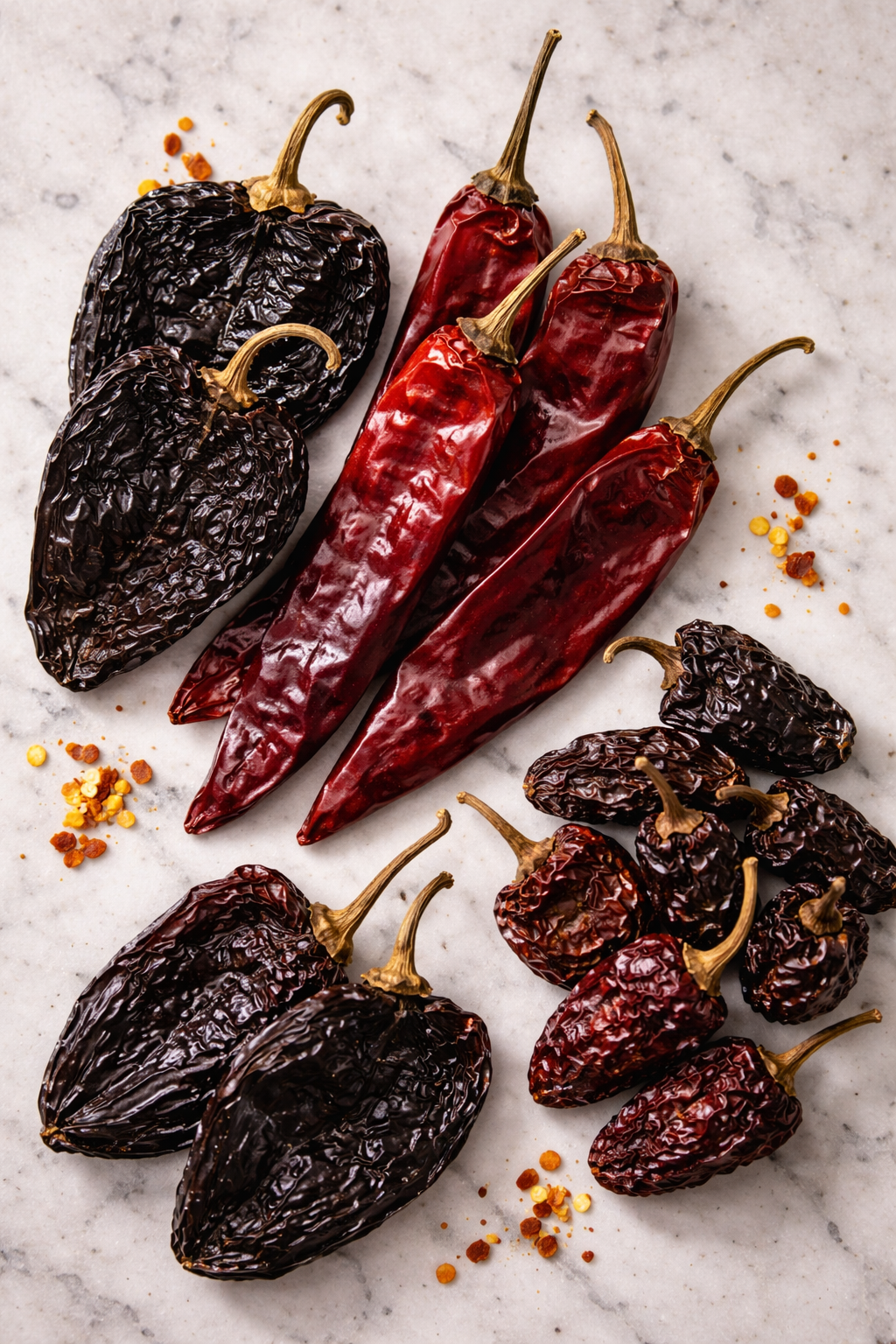
Salsa macha is an oil-based Mexican condiment built on dried chilies, nuts or seeds, garlic, and often vinegar. Here’s what it is, what it tastes like, and how it’s different from chili crisp.
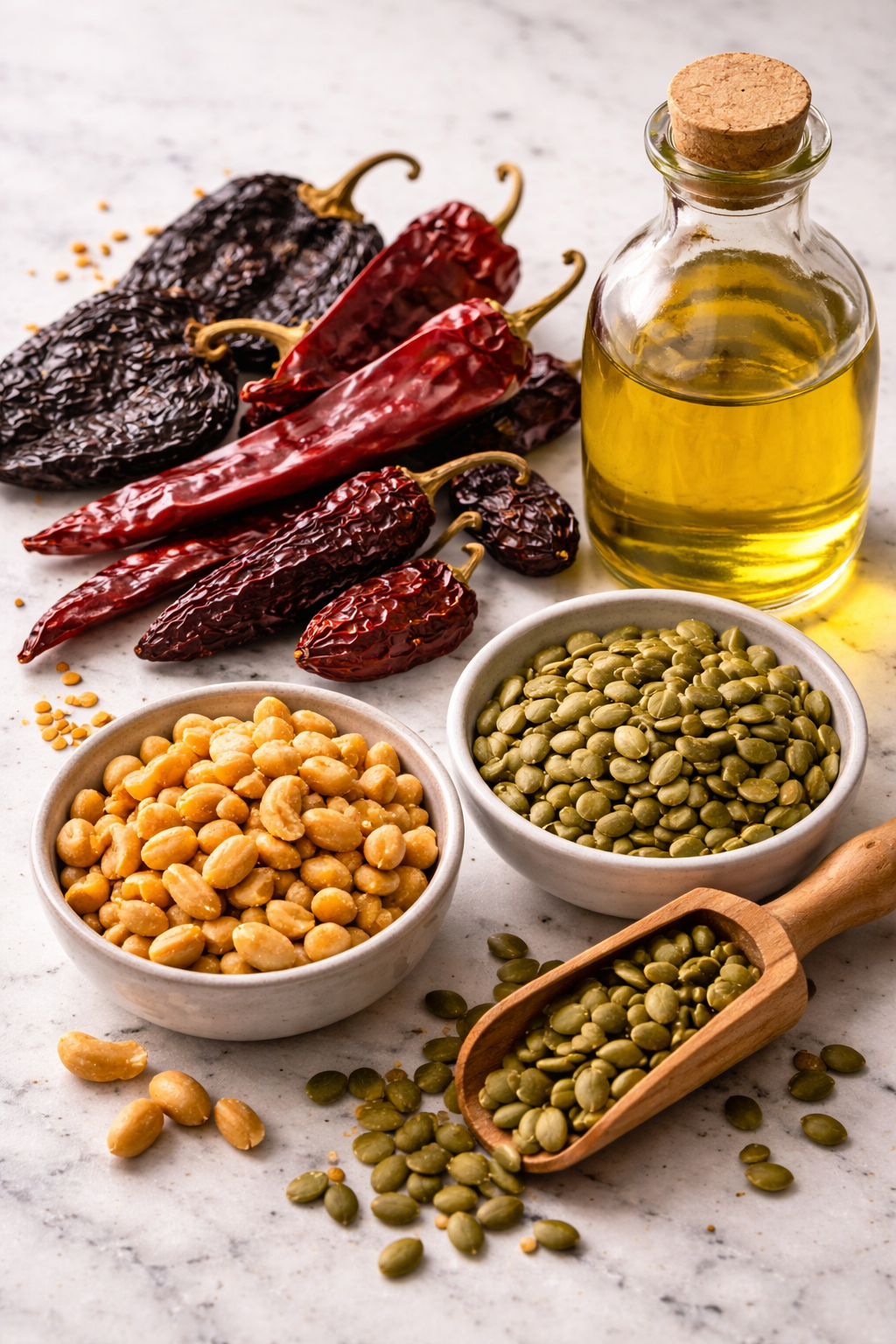
Salsa macha is built from dried chilies, nuts, oil, and not much else — but those choices matter a lot. Here’s how to read the label before you buy.
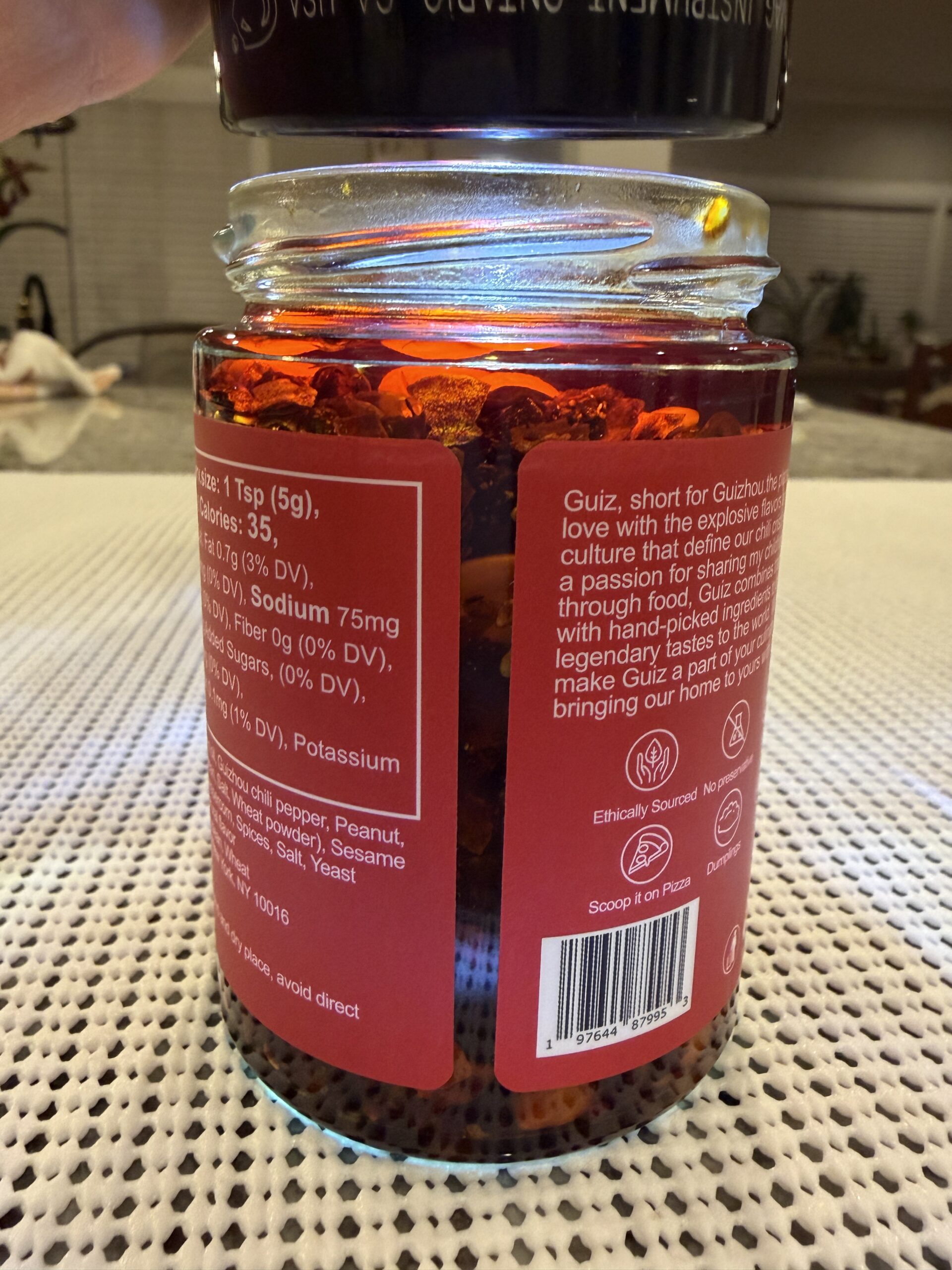
There’s no single chili crisp. Sichuan, Japanese, Calabrian, Korean, fusion — each style has a distinct character. Here’s how to read them, what makes each one different, and which to reach for when.
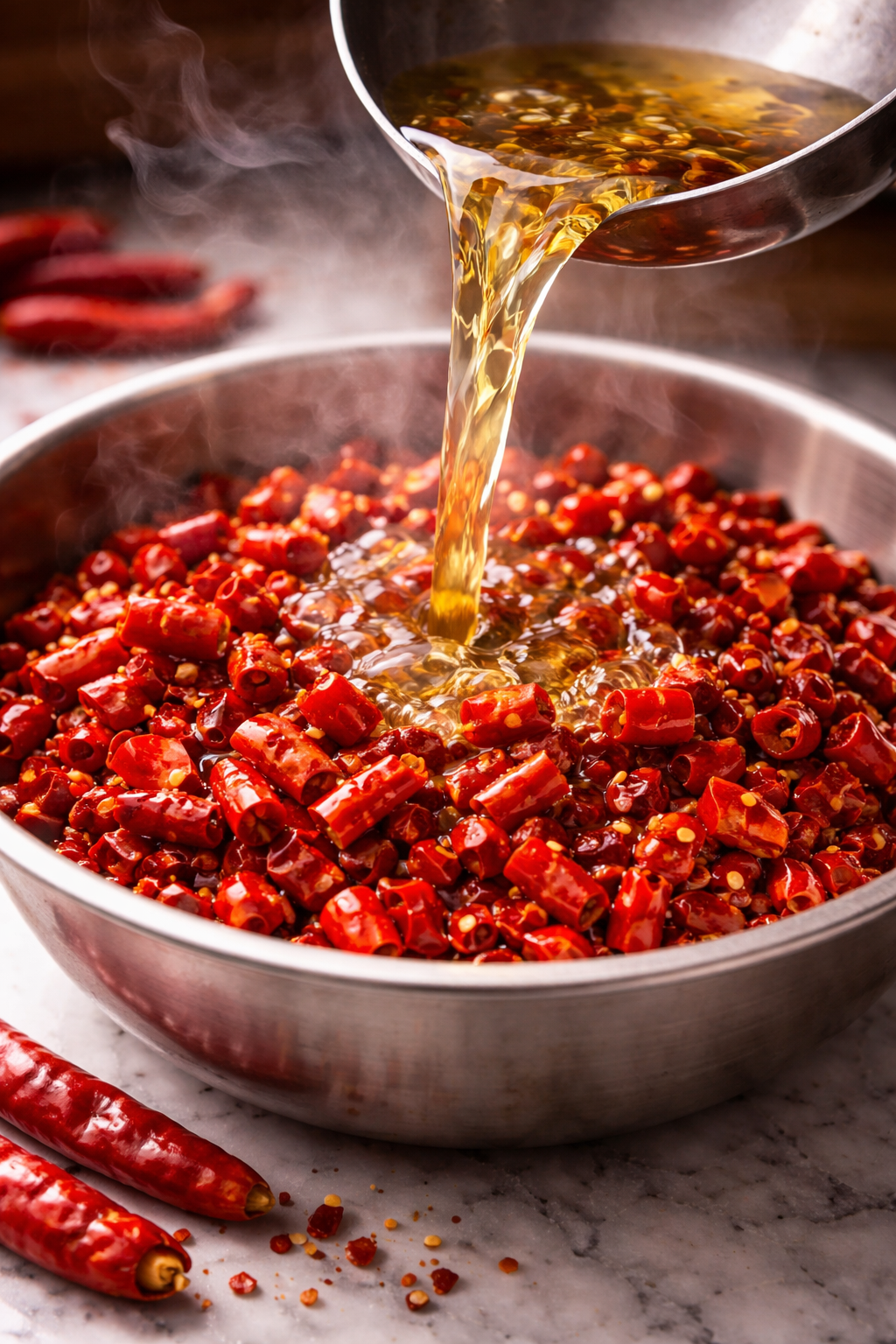
The method behind the jar matters more than most people realize. Here’s how chili crisp is made — and how pour-over vs. simmer production signals quality before you even open it.
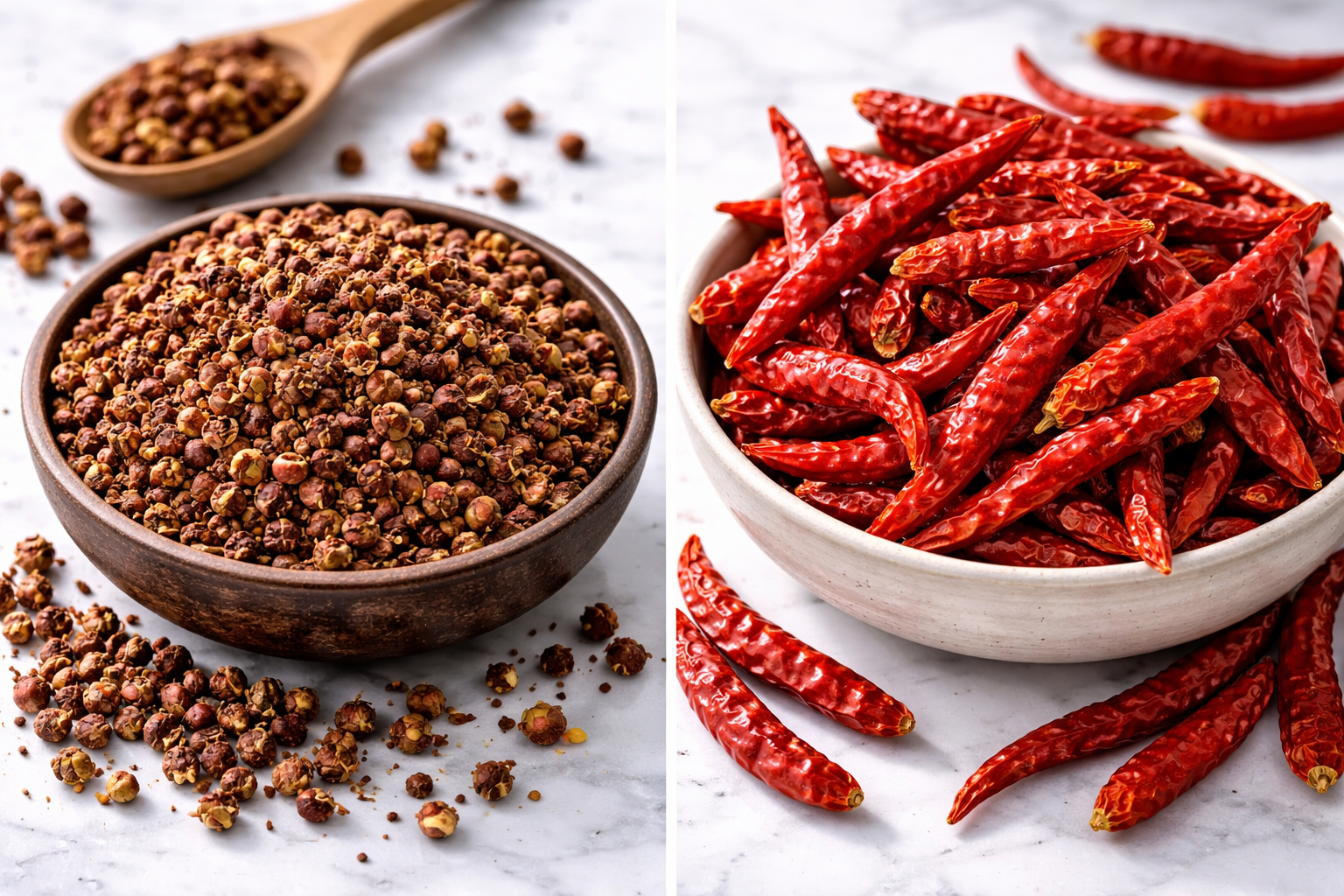
Not all chili crisp heat is the same. Here’s how to identify the types of heat in chili crisp — Sichuan tingle, front-load burn, and slow-build — and what each one means for how a product tastes.
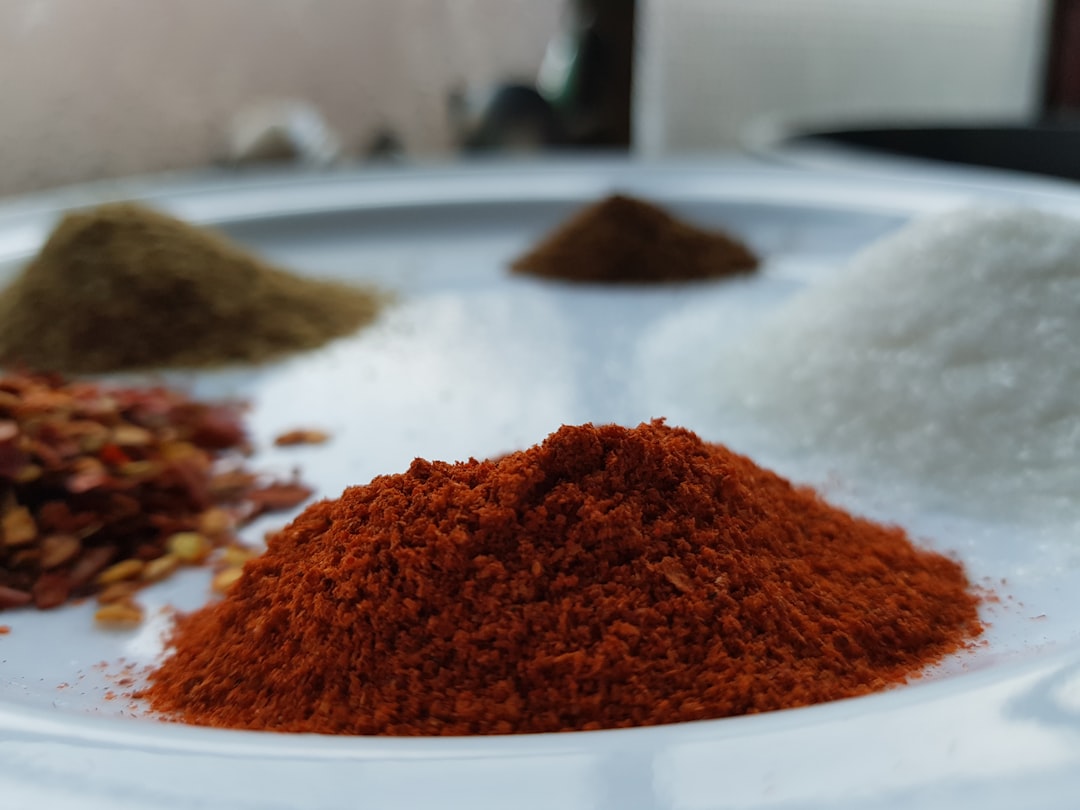
MSG, sugar, salt, star anise, mushroom powder, fermented black beans — the seasonings behind chili crisp do more work than most people realize. Here’s what each one does and when to worry about it.