
In 2020, the New York Times called salsa macha the condiment of the year. By 2023, #salsamacha had crossed 126 million views on TikTok. Food editors who’d spent years writing about chili crisp were suddenly reaching for a jar from Veracruz instead of one from Sichuan. The salsa macha origin story had gone mainstream — and most people telling it were starting in the wrong place.
They were starting with the trend. With the viral videos, the “Mexican chili crisp” label some brands slapped on their jars, the moment when the specialty food world discovered something that had been sitting in Veracruz kitchens for centuries. That’s understandable — that’s how most of us first heard the name. But salsa macha didn’t begin in 2020. It didn’t begin when American food media discovered it, or when the first commercial jar showed up on a shelf in Brooklyn.
It began in the highlands of Veracruz, with a chili that barely exists anymore, in a tradition that predates Spanish colonial contact. Understanding where salsa macha comes from makes it easier to understand what it actually is — and why the best commercial versions taste the way they do.
What Does ‘Macha’ Actually Mean?
Before getting into the history, the name is worth unpacking — because it’s genuinely contested and the answer changes depending on who you ask.
The most common explanation — the one you’ll find repeated across food media — is that macha is the feminine form of macho, implying intensity, boldness, or strength. Salsa macha as “the bold sauce.” It’s a clean story, and it maps onto the flavor profile in an obvious way. But it’s a little too convenient.
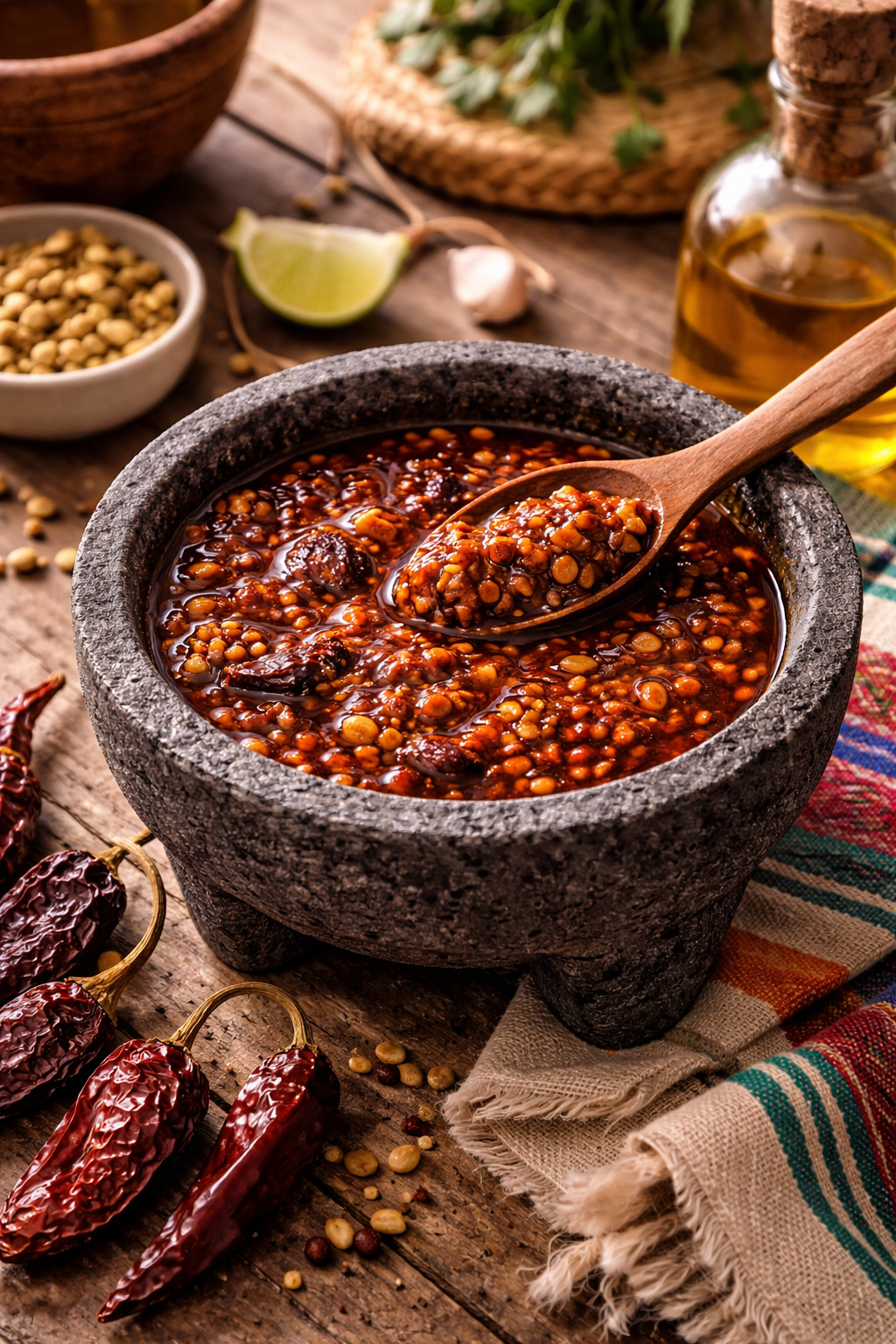
The more compelling etymology, and the one most food historians favor, traces macha back to machacar — the Spanish verb meaning to crush, to pound, to grind. This isn’t just linguistically tidy. It’s descriptively accurate. Traditional salsa macha is made in a molcajete, the volcanic stone mortar that has been central to Mexican cooking for thousands of years. You don’t blend it in a food processor. You don’t use an immersion blender. You crush and grind — machacas — the dried chilies, nuts, garlic, and oil into something with texture and body and presence.
If the sauce is named for the action of making it rather than its personality, that tells you something important about how traditional Veracruz cooks understood the condiment. A process-defined food, not a marketing-defined one. I find that more honest, and more interesting, than “it’s called macho sauce because it’s spicy.”
The ambiguity is real, though. Both theories circulate, and no one has settled it definitively. What I can say is that machacar as the origin makes more structural sense given the preparation method, and I’ll lean that way — while acknowledging the other reading exists.
The Veracruz Origin Story
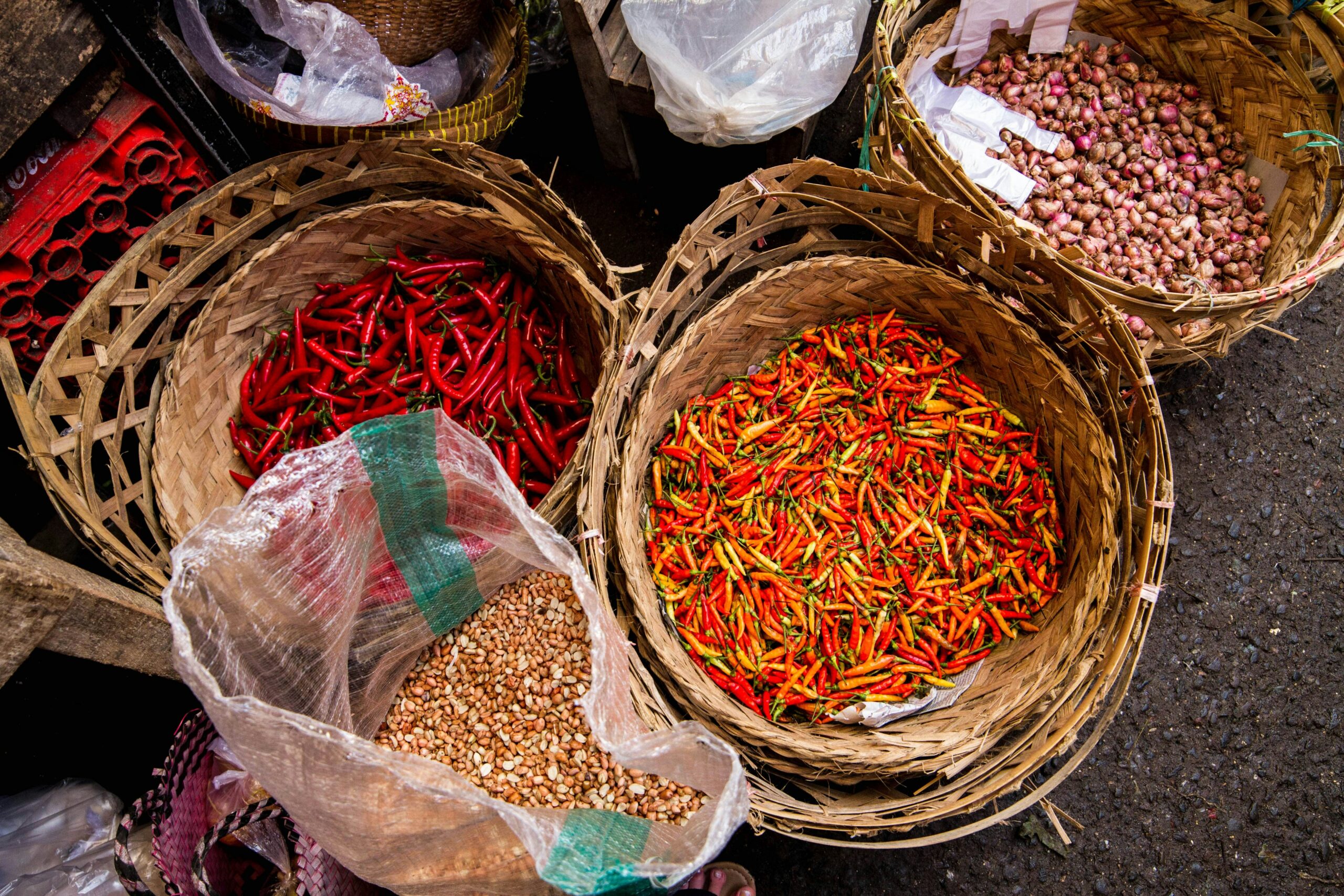
Salsa macha is a Veracruz product. Specifically, it comes from the Orizaba region — the mountainous highlands in the center of the state, where the climate is cool enough to dry chilies well and the cooking tradition runs deep.
Veracruz is one of Mexico’s most gastronomically complex states. It sits at a geographic and cultural crossroads: a long Gulf Coast that made it a center of trade for centuries, an interior that climbs into the Sierra Madre, and a history of indigenous cultures — primarily the Totonac and the Olmec before them — who developed sophisticated food traditions long before Spanish contact. The Totonac people of the Orizaba region are widely cited by Mexican food historians as among the earliest makers of something recognizable as salsa macha.
The base preparation is old enough that no one can date it precisely. What we know is that the technique — dried chilies ground with oil, garlic, and seeds in a stone mortar — predates colonization. Pre-colonial Mexican cooking already had sophisticated condiment traditions built on dried chilies and fat. Salsa macha, in its most fundamental form, fits squarely into that lineage.
What changed over time was the fat source. Pre-colonial preparations likely used animal fats or oils available from native plants. After the Spanish introduced pigs — and with them, lard — and after trade routes brought new vegetable oils into the region, the fat component of salsa macha evolved. The peanut, introduced from South America through trade, became the dominant nut in the Veracruz version. Today, most traditional recipes use a neutral vegetable oil, though the structure of the condiment — dried chilies suspended in fat, enriched with nuts and garlic — remained consistent across centuries.
Veracruz’s position as Mexico’s primary colonial port meant it absorbed more outside influence than almost any other state. Spanish, African, Caribbean, and — as we’ll get to — Asian culinary traditions all passed through. That layering is part of why the food there is so distinct from what you find inland, and why salsa macha’s history is more complicated than a single-origin story.
The Comapeño Chile: The Original Base Ingredient
Traditional salsa macha from Veracruz is not made with morita, or guajillo, or árbol. The original base is the comapeño — a small, dried chili named for the town of Comapa in Veracruz. If you’ve never heard of it, that’s not surprising. Outside the Veracruz highlands, the comapeño is nearly impossible to find. It has a limited growing area, no significant commercial production, and essentially no presence in the US specialty food market.
The comapeño is small, dark, and intensely flavored — smoky and earthy, with moderate heat. It’s not especially aromatic by dried chili standards, but it has a depth and richness that makes it a strong base for an oil-preserved condiment. The traditional preparation method involves briefly frying the dried chilies in hot oil before grinding them, which both softens the chili and infuses the oil with flavor in a single step. The comapeño’s small size makes it ideal for this technique — it cooks quickly and evenly.
Because the comapeño has essentially disappeared from the commercial supply chain, modern salsa macha — including every jarred version you can currently buy in the United States — uses substitute chilies. The most common are morita (a smoked jalapeño, similar in some ways to chipotle but smaller), guajillo (fruity, mild, excellent color), ancho (broad, raisin-sweet, low heat), and chile de árbol (thin, hot, grassy). Each brings a fundamentally different flavor profile.
This substitution matters because it explains why commercial salsa machas can taste so different from one another. They’re not minor variations on the same recipe — they’re distinct interpretations of a tradition, each built on a different chili foundation. When I’m evaluating a jar, the chili selection is one of the first things I check on the label. It tells me a lot about what the maker was trying to achieve.
If you want to understand the role specific chilies play in modern salsa macha’s flavor, I cover that in depth in What Goes Into Salsa Macha: A Label-Reading Guide.
The Asian Trade Route Theory
Here’s where the history gets genuinely interesting — and genuinely uncertain.
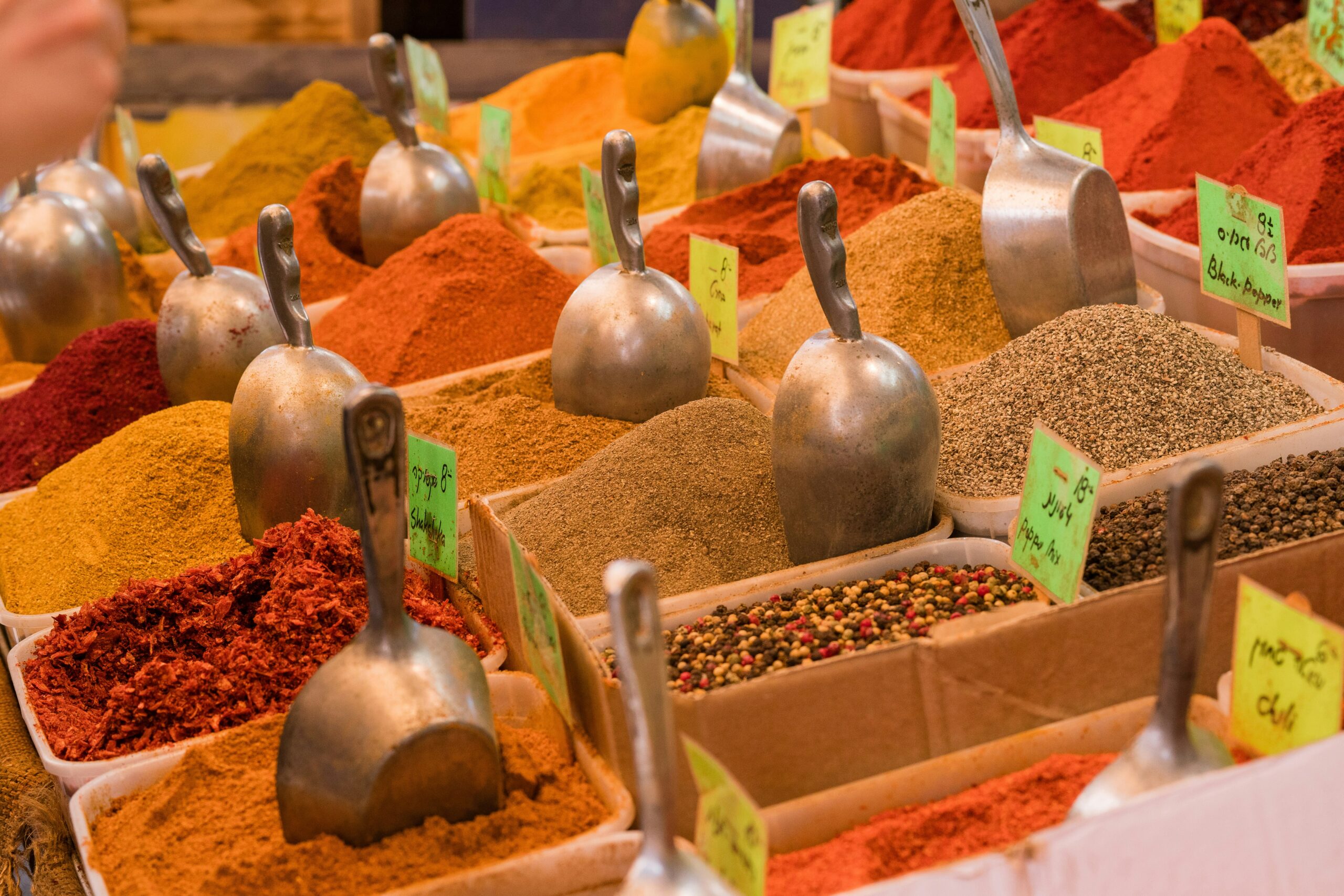
Anyone who looks carefully at salsa macha and Chinese chili oil side by side is going to notice how structurally similar they are. Both are oil-based condiments. Both use dried chilies as the primary flavor agent. Both rely on heat infusion — the chilies are cooked in oil rather than blended raw. Both have a sediment layer of solids at the bottom and a flavored oil layer above. The comparison to chili crisp is made casually in food media, but the parallel runs deeper than the trend coverage suggests.
The question is whether this is convergent development — two cultures independently arriving at the same technique because oil infusion is a logical way to preserve and concentrate dried chili flavor — or whether there was actual historical contact between these traditions.
The case for contact runs through a trade route called the Nao de China, or the Manila Galleon. From the late 1500s until the early 1800s, Spain operated a route that ran from Manila in the Philippines to Acapulco on Mexico’s Pacific coast, then overland to Veracruz on the Gulf. This route carried Chinese silk, porcelain, and spices westward and silver eastward. It also carried people.
Chinese merchants, sailors, and laborers settled along this route during this period — in Acapulco, in Mexico City, and in Veracruz. There are documented communities of Chinese and Filipino migrants in colonial Veracruz. Whether they brought chili oil traditions with them, and whether those traditions influenced local cooking, is not documented in any source I’ve found. But the structural opportunity for that influence existed.
Food historian Rachel Laudan has written extensively on how the Manila Galleon trade reshaped Mexican cuisine in ways that are still underappreciated — introducing Asian ingredients, techniques, and flavor combinations that were absorbed into regional cooking so thoroughly that their origins became invisible. Salsa macha may be one example of that absorption. Or it may not be. The honest answer is we don’t know.
What I find worth sitting with is this: Veracruz is specifically the origin point for salsa macha, and specifically the primary entry point for Asian influence into colonial Mexico. That’s not proof of anything. But it’s a more interesting question than most food history write-ups are willing to engage with, and I think it deserves more serious attention than a dismissal or a confident claim in either direction.
The convergent theory is also solid. Dried chilies suspended in oil is a logical technique that any culture with access to dried chilies and cooking fat might arrive at independently. The similarity between salsa macha and Chinese chili oil doesn’t require historical contact to explain. It might simply be the natural output of the same basic problem: how do you preserve intense chili flavor in a stable, usable form?
How It Spread: Regional Variations Across Mexico
Salsa macha didn’t stay in Veracruz. As with most Mexican regional foods, it spread along trade routes and through migration, adapting to local ingredients as it went.
The most distinct regional variation comes from Oaxaca, where salsa macha intersects with the state’s existing traditions of complex, ingredient-dense condiments. Oaxacan versions sometimes include chapulines — toasted grasshoppers — as a protein-rich solid element alongside or in place of nuts. They may also incorporate spices that echo the region’s mole tradition: Mexican cinnamon, clove, dried oregano. The result is richer and more layered than the Veracruz original, with a savory depth that reads as almost umami-forward by Mexican condiment standards.
In Colima, on the Pacific coast, salsa macha is built primarily on chile de árbol — a thin, hot, grassy dried chili that gives the condiment sharper, more aggressive heat than the smoky depth of the Veracruz comapeño. Colima versions tend to be less nutty, more straightforwardly spicy, and less complex on the back palate.
Central Mexican versions — particularly those that developed in Mexico City, where cooking traditions from across the country converge — often blend chili types and add sweeteners: piloncillo (raw cane sugar), dried fruit like raisin or cranberry, or small amounts of honey. This is the version most likely to appear in contemporary US-based commercial jars, because it’s designed to appeal to a broader palate without the heat intensity or grasshopper content of regional originals.
What unites all of these variations is the structural logic: dried chilies, fat, and at least one solid element that provides texture and body. Beyond that core, the recipe is as regional as any other traditional food. A Oaxacan cook’s salsa macha and a Veracruz grandmother’s salsa macha may share a name but taste nothing alike. The same pattern plays out across chili crisp regional styles — Sichuan, Japanese, Calabrian, and fusion versions all share an architecture but produce fundamentally different products.
Crossing into American Kitchens
Salsa macha had a long quiet period in the United States. It existed in Mexican-American households and in the handful of regional Mexican restaurants serious enough to cook traditional Veracruz or Oaxacan food. But it had no meaningful commercial presence, and it had no name that English-speaking food media knew how to handle.
The path into wider American consciousness was slow and uneven. Salsa macha appeared in serious treatments of regional Mexican cuisine going back decades — in cookbooks focused on Veracruz cooking, in the work of researchers documenting pre-colonial Mexican condiment traditions. But it remained an insider item. If you knew, you knew. If you didn’t, you’d never heard the name.
What changed first was the growth of the specialty food market and the rise of small-batch Mexican producers targeting a food-literate US audience. Companies like Masienda — better known for heirloom corn products — began producing salsa macha as part of a broader effort to bring authentic Mexican pantry ingredients to US cooks. Kuali, a Bay Area producer, won a 2024 Good Food Award. SOMOS leaned into the “Mexican chili crisp” framing to reach chili crisp audiences. These weren’t mass-market products. They were positioned as quality items for cooks who read ingredient labels and cared about provenance.
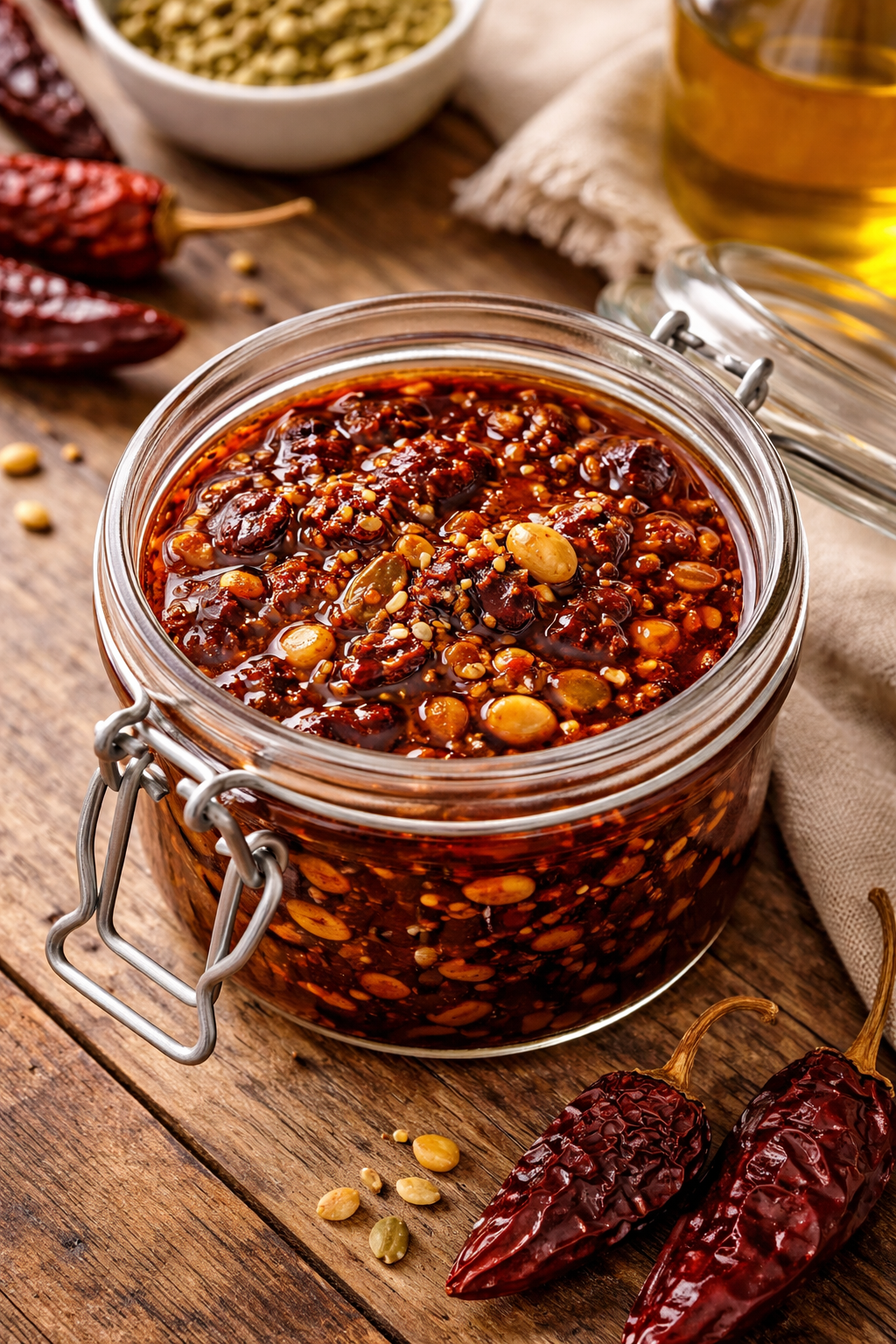
That positioning mattered. Salsa macha didn’t enter the American market as a cheap commodity condiment. It entered as something with a story, with a specific regional tradition, with makers who could explain what they were doing and why. That’s a different entry point than chili crisp had — which largely arrived through grocery endcaps and Trader Joe’s placement — and it set a different kind of expectation around quality and authenticity.
The Chili Crisp Effect and the Viral Moment
To understand why salsa macha broke through when it did — roughly 2019 to 2022 — you have to understand what chili crisp had already done to American food culture.
By 2019, chili crisp had trained a generation of home cooks to think about oil-based condiments differently. The idea that you could spoon flavored oil over eggs, noodles, pizza, or ice cream and have it be the best decision you’d made all day was no longer niche. It was mainstream. Chili crisp had created a category in American pantries that didn’t really exist before: the finishing oil with real texture and real heat that you reach for on everything.
Salsa macha slid into that slot with an argument that was easy to make. Same basic structure — oil-based condiment with dried chilies and real texture — different tradition, different flavor profile. Where chili crisp is umami-forward, MSG-seasoned, fried-shallot-and-fermented-bean, salsa macha is earthy and nutty, with a smoky depth from dried Mexican chilies and a brightness from vinegar that chili crisp almost never has. It was familiar enough (oil condiment, pour it on everything) and different enough (Mexican tradition, nut-forward, slightly tangy) to be genuinely interesting.
The “Mexican chili crisp” label that some brands began using was strategically smart and historically imprecise in equal measure. Smart because it told a chili crisp audience exactly where to place salsa macha in their mental pantry. Imprecise because salsa macha predates chili crisp by centuries and doesn’t need the comparison to justify itself. But in a market where discovery happens in three seconds on a phone screen, the shorthand worked.
The TikTok numbers confirmed how fast that translation happened. When NBC Today reported #salsamacha at over 126 million views — compared to approximately 65 million for #chilicrisp at the same point — it confirmed something the specialty food industry was already observing: salsa macha had crossed from niche ingredient into genuine cultural moment. Faster, in some ways, than chili crisp had managed.
That speed also created problems. When demand outpaces education, you get a lot of products that borrow a name without honoring what the name represents. I’ve seen jarred “salsa machas” with minimal nut content, with fresh-chili bases instead of dried, with sweetener levels that make them taste like condiment candy. Understanding the history of chili crisp alongside the history of salsa macha is partly a practical tool for spotting those products and setting them aside.
Salsa macha is centuries older than chili crisp, has a more complex and regionally specific history, and arguably a more interesting flavor profile for people who want depth over heat. But it needed chili crisp to create the audience that would discover it. That’s not a criticism of either product — it’s just how food culture works. Trends create vocabulary, and vocabulary creates markets.
Why the History Matters for What You’re Buying
I’m not a food historian. I evaluate condiments. But knowing the salsa macha origin story changes how I read a label — and how I think about whether a commercial product is honoring the tradition or just borrowing its name.
A few things the history makes clearer:
The chili choice is not arbitrary. Traditional salsa macha was built on the comapeño — a specific regional chili with a specific flavor character. Modern versions use substitutes because the comapeño is gone from commercial supply. The question is whether the maker chose their substitute chili intentionally, for what it contributes to the final flavor, or just used whatever was available. A jar built on guajillo and morita together is making different flavor decisions than one using only árbol. The history gives you context for why those decisions matter.
Nuts are structural, not decorative. The nut and seed component — peanuts in the most traditional Veracruz versions, with pepitas, sesame, almonds, or hazelnuts in modern interpretations — is not an add-in. It’s part of the texture and flavor architecture of the condiment. A salsa macha with only trace amounts of nut content is a salsa macha missing its backbone. When I see a label where nuts are listed toward the bottom of the ingredients list, that’s a signal about where the maker’s priorities were.
The “Mexican chili crisp” label is marketing, not description. It’s useful shorthand for discovery, but it flattens the actual product. Salsa macha doesn’t taste like chili crisp. The smoky dried chili base, the nutty body, the vinegar brightness — those are specifically Mexican flavor decisions with a specific regional history. If you go in expecting chili crisp, you’ll be confused. If you go in expecting its own thing, with its own logic, you’ll find something worth spending time with.
The history of salsa macha is a story about what happens when a regional tradition survives centuries, adapts to new ingredients, travels through colonial trade routes, and then suddenly finds itself on a grocery shelf in every major US city. It’s worth knowing — not for trivia, but because it tells you what the best versions of the product are actually trying to do.
If you want to understand what goes into a jar before you buy one, the ingredient guide for salsa macha is the right next stop. And if you want to understand how this condiment compares to chili crisp and chili oil as a category, What Is Salsa Macha? covers the full picture. For a look at how production methods shape the final product across both traditions, that guide explains what the process choices mean for the jar.