
This post contains affiliate links. I may earn a small commission if you buy through them — at no extra cost to you. My scores are never influenced by this.
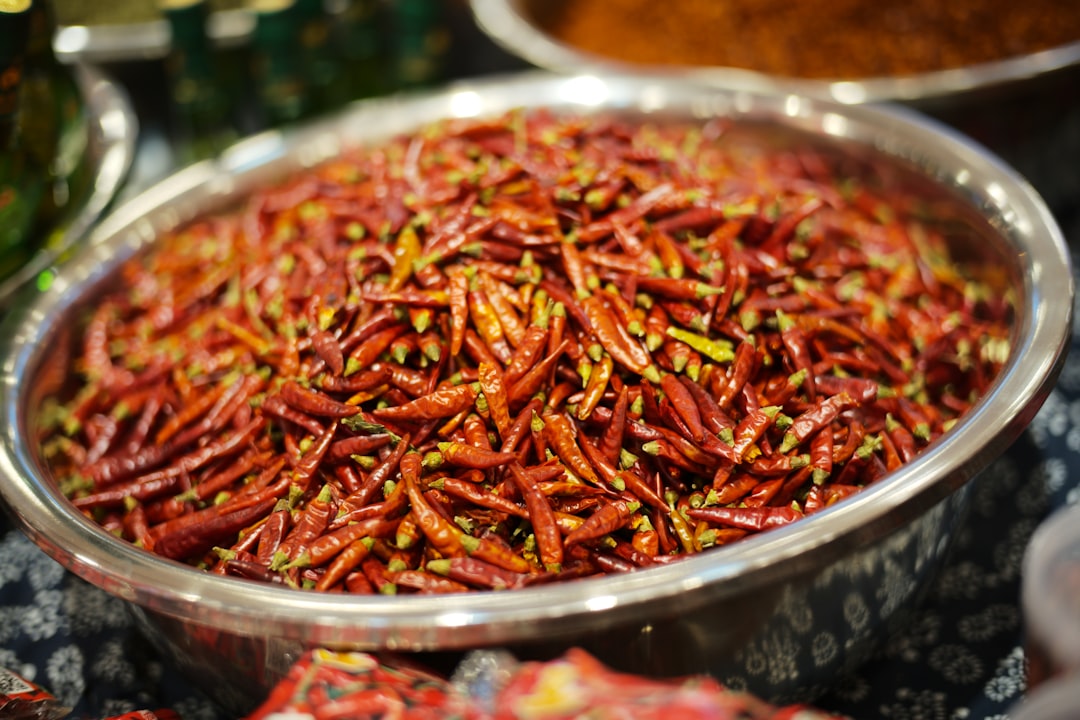
Sichuan peppercorn is not a pepper. Not related to black pepper. Not related to chili peppers. It’s the dried husk of a tiny fruit from a tree in the citrus family — the same botanical family as lemons and oranges. And the sensation it produces in your mouth isn’t heat. It’s a buzzing, numbing, almost electric tingle that sits on your lips and tongue like a low-voltage current. If you’ve eaten Sichuan-style chili crisp and felt something beyond the burn — something weird and specific that you couldn’t quite name — that was Sichuan peppercorn doing its job.
I evaluate Sichuan peppercorn the same way I evaluate every ingredient: by what it does in the jar, not by the story on the label. It’s a defining ingredient in a huge percentage of the chili crisps I review, and understanding it changes how you taste them. Here’s the full breakdown — what the ingredient actually is, what it does to your mouth, how to spot quality, and how it factors into the reviews on this site.
What Sichuan Peppercorn Actually Is
The plant is Zanthoxylum — a genus of about 250 species in the Rutaceae (citrus) family. The species used in Chinese cooking is primarily Zanthoxylum bungeanum (red Sichuan peppercorn) or Zanthoxylum armatum (green Sichuan peppercorn). What you see in the jar or spice bag is the outer husk of the fruit, split open and dried. The small black seeds inside are typically removed because they’re gritty and bitter — the flavor and sensation come from the husk alone.
The “pepper” name is a colonial-era misnomer. European traders encountering the spice in China applied the only reference they had for “small, hot, flavor-giving seed.” The same mistake gave us “chili pepper” (a Capsicum, unrelated to Piper nigrum) and “pink peppercorn” (a Schinus berry). Sichuan peppercorn has about as much in common with black pepper as a lemon does.
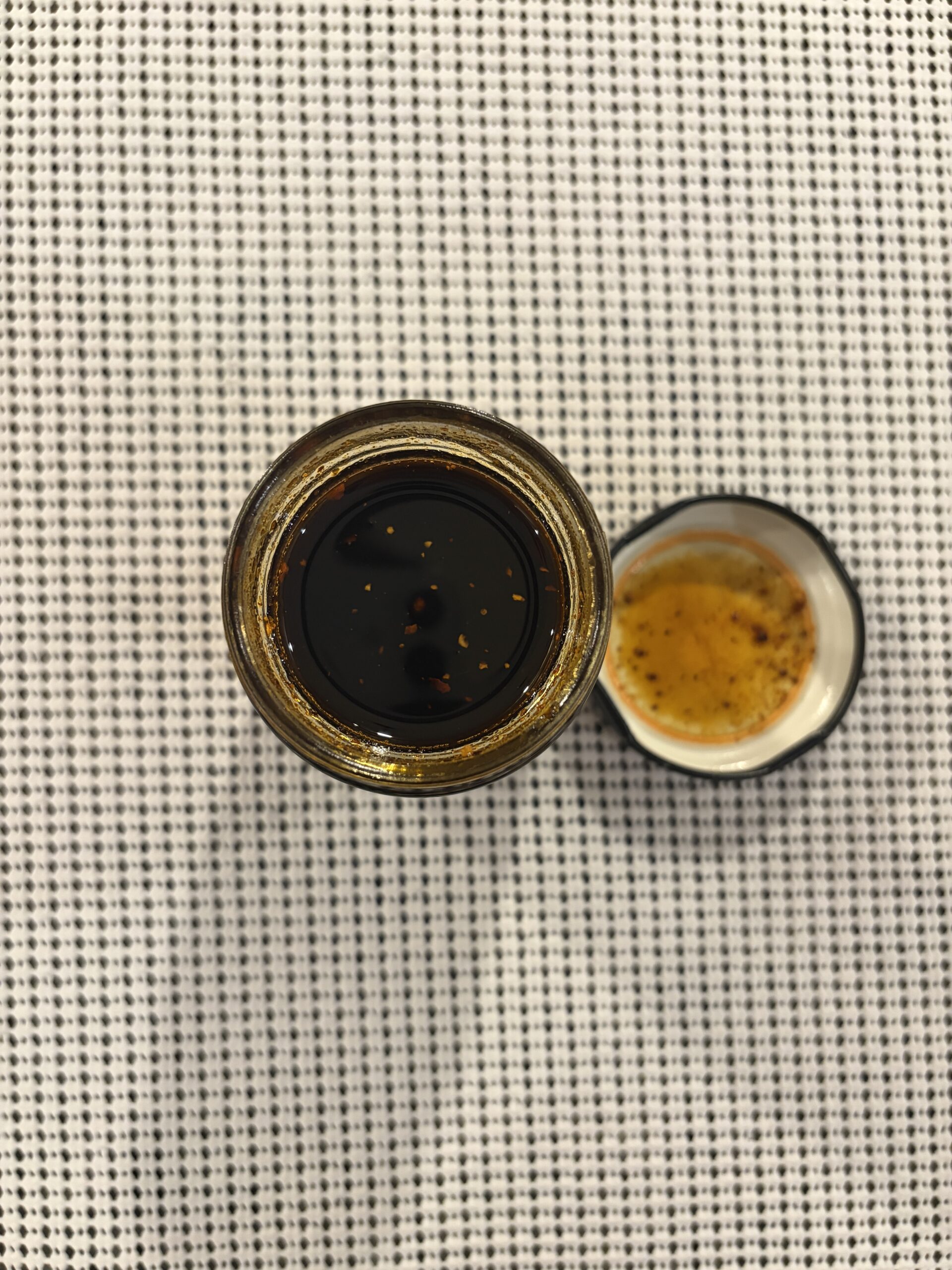 Fly By Jing Sichuan chili crisp open jar with visible Sichuan peppercorn — Flavor Index Lab” />
The flavor of Sichuan peppercorn itself — separate from the numbing sensation — is citrusy, slightly piney, with a faint floral quality. If you crush a husk between your fingers and smell it, you’ll get something closer to lemon zest than anything you’d associate with pepper. That aromatic quality is one reason it works so well in chili crisp: it adds a brightness that cuts through heavy oil and keeps the flavor from going flat.
The Science of the Tingle
The numbing sensation has a name: hydroxy-alpha-sanshool. It’s an alkylamide compound found in the pericarp of the Sichuan peppercorn husk, and it does something no other common food ingredient does. Instead of activating pain receptors (like capsaicin in chili peppers) or temperature receptors (like menthol), sanshool activates touch-sensitive nerve fibers — specifically, the fibers that detect light touch and vibration.
Researchers at University College London measured the sensation in 2013 and found that sanshool produces a tingling frequency of approximately 50 Hz — the same frequency as a low electrical hum. Your lips and tongue are literally vibrating at a measurable frequency. That’s not a metaphor. It’s a tactile illusion created by a chemical compound hijacking your mechanoreceptors.
This is why the Sichuan peppercorn sensation feels so different from chili heat. Capsaicin (from chili peppers) triggers TRPV1 pain receptors — the same receptors that respond to actual burning temperatures. Your brain interprets capsaicin as heat because it’s using the same neural pathway. Sanshool takes a completely different route. It’s not pain. It’s not temperature. It’s touch — distorted, amplified, and sustained.
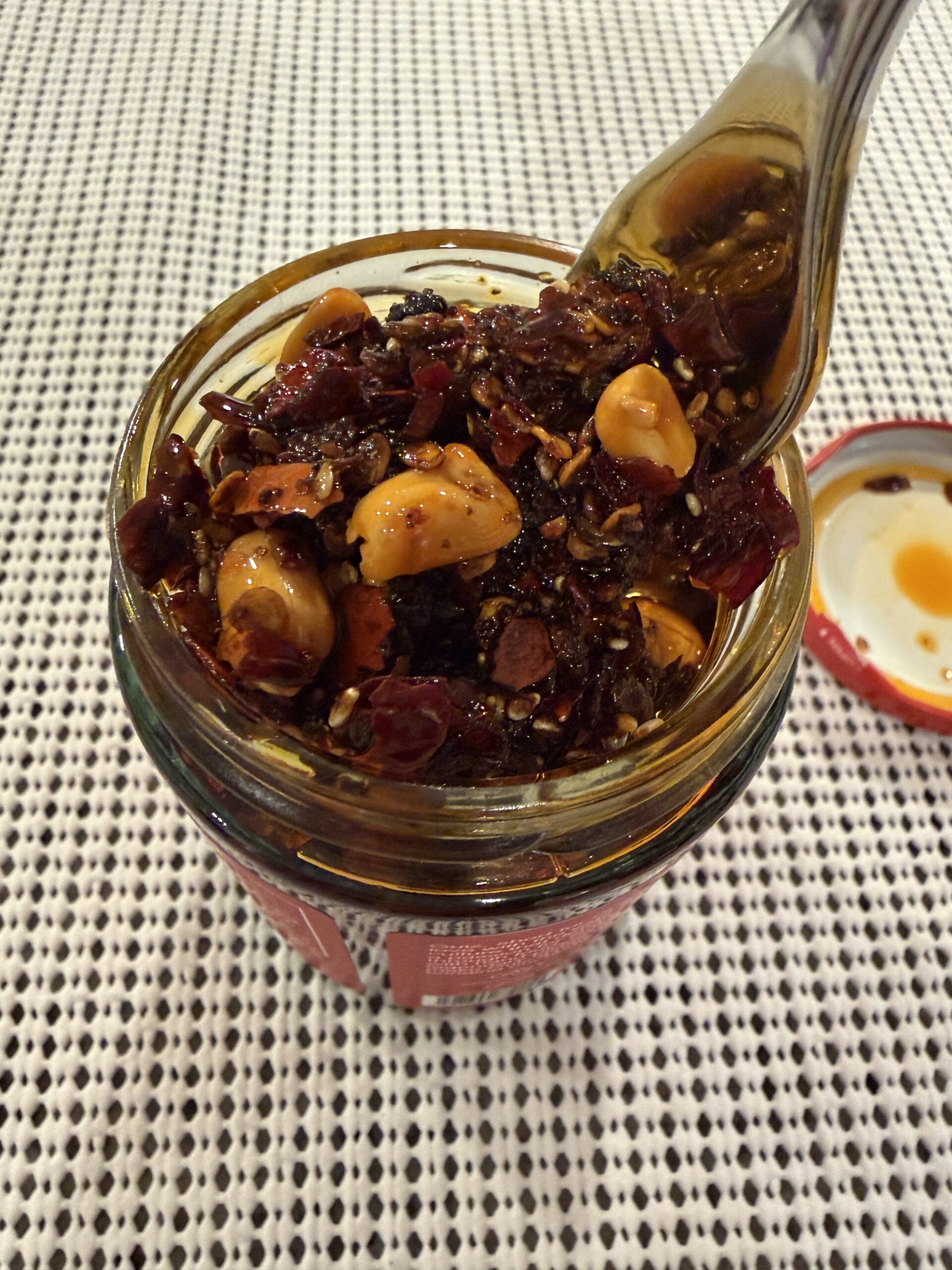
When I review a Sichuan-style chili crisp, I evaluate the numbing and the burning separately. They’re different sensory channels. A product can have strong Sichuan peppercorn tingle with mild chili heat, or vice versa. The best ones — the ones I keep reaching for — balance both. For the full framework on how I break down heat types, see the Heat Types Explained guide.
Mala: The Full Sensory Experience
The Chinese word for the combined sensation of Sichuan peppercorn numbing and chili pepper heat is málà (麻辣). Má means numbing or tingling. Là means spicy or hot. Together, they describe a sensory experience that has no single English equivalent — which is why “spicy” falls so short when describing Sichuan food.
In a well-made Sichuan-style chili crisp, mala isn’t just “hot food that also tingles.” The two sensations interact. Sanshool appears to modulate how capsaicin is perceived — the numbness can make the heat feel less aggressive, more distributed, more interesting. Instead of a sharp burn in one spot, you get a rolling wave across your whole mouth. The tingle acts like a carrier signal for the heat.
This interaction is why some chili crisps that are objectively lower in capsaicin content feel more complex and engaging than products that are just hot. A product like Fly By Jing’s original delivers noticeable Sichuan peppercorn presence alongside its chili heat, and the result is a mouth-feel that keeps evolving over 30 to 60 seconds. The FBJ Xtra Spicy dials up the capsaicin but keeps the peppercorn ratio — the mala balance shifts but stays coherent. Compare that to a product that’s just cayenne extract in oil: straight burn, no dimension, done in 15 seconds.
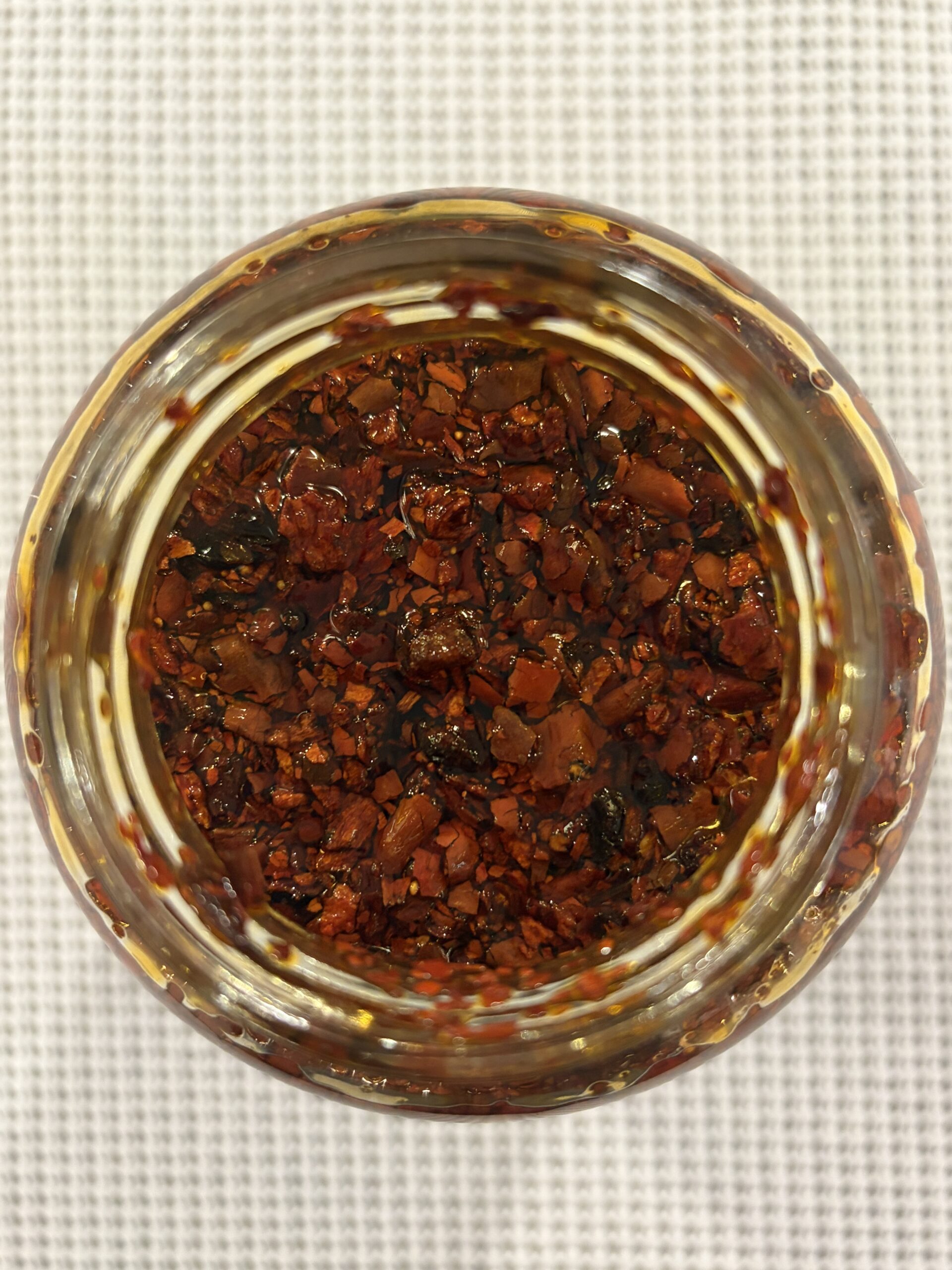
Green Sichuan peppercorn (Z. armatum) tends to be more intensely numbing and more citrusy than the red variety. Some brands use both. Some use only one. The label won’t always specify — it might just say “Sichuan peppercorn” — but if you taste a chili crisp and the tingle is aggressive and sharp with a citrus high note, there’s likely green peppercorn in the blend. If the tingle is warmer and more gradual, it’s probably red. Both are good. They’re just different tools.
The mala balance also shifts depending on how long you chew. With the first bite, capsaicin usually hits first — a familiar burn. The sanshool arrives a beat later, spreading across the lips and tongue. By the third or fourth chew, the two sensations merge into something that’s neither purely hot nor purely tingly. That evolution is what makes Sichuan-style chili crisp worth paying attention to. Products that deliver a flat, one-note experience — heat that arrives and just sits there — are missing this entirely.
Quality Signals in the Jar
Not all Sichuan peppercorn is equal, and the quality differences show up in the final product. Here’s what I look for:
Position on the ingredient list. If Sichuan peppercorn is listed in the top third of ingredients, the product is prioritizing it. If it’s second-to-last, it might be there for label appeal more than flavor contribution. I cross-reference this with what I actually taste — sometimes a small amount punches above its weight, and sometimes a high listing doesn’t deliver.
Visible pieces in the jar. Whole or large fragments of Sichuan peppercorn husk are a positive signal. They look like small, split, reddish-brown husks — distinctive enough to spot if you’re looking. Products that use ground peppercorn distribute the flavor more evenly but lose the visual and textural element. Neither approach is wrong, but visible pieces tell me the producer is using whole spice rather than commodity powder.
Freshness of the tingle. Sanshool degrades with time and heat exposure. A chili crisp where the Sichuan peppercorn tingle is muted or absent despite being listed on the label may be using old or poorly stored peppercorn. Fresh Sichuan peppercorn in a well-made product delivers a tingle within seconds of the bite. If it takes 30 seconds to arrive and it’s faint — the peppercorn isn’t pulling its weight.
The GUIZ original is a good benchmark here. Sichuan peppercorn is prominent in the ingredient list and distinctly present in the flavor. The tingle arrives early, sits alongside the chili heat without overwhelming it, and the citrusy top note cuts through the oil. That’s what quality Sichuan peppercorn does in a well-formulated product. When I taste a new chili crisp that claims Sichuan heritage, I’m measuring against that kind of peppercorn performance.
How I Evaluate Sichuan Peppercorn in Reviews
In every review of a Sichuan-style chili crisp, I assess the peppercorn component across three dimensions:
Presence: Is it there? Can I taste it? Does the tingle arrive, and how quickly? Some products list Sichuan peppercorn but deliver zero perceptible numbing. That’s a gap between label and reality, and I call it out.
Balance: How does the numbing interact with the chili heat? Is it a partner or a passenger? The best products create a mala experience where neither sensation dominates. The worst either bury the peppercorn under capsaicin or deliver so much numbing that you can’t taste anything else for five minutes.
Character: What does it add beyond the tingle? Good Sichuan peppercorn brings citrus and floral notes. It makes the flavor profile more interesting — not just more tingly. If the only thing the peppercorn contributes is numbness, it’s doing half its job.
I separate these from the overall heat assessment because they operate through different mechanisms. A product can score well on chili heat and poorly on peppercorn delivery, or vice versa. Collapsing them into one “spiciness” rating — which is what most reviews do — misses the point entirely. It’s like rating a stereo system by volume alone without mentioning clarity.
Finding It on the Label
Sichuan peppercorn appears on ingredient lists under several names: “Sichuan peppercorn,” “Szechuan peppercorn,” “Szechwan pepper,” “prickly ash,” “huājiāo” (花椒), or sometimes just “peppercorn” (ambiguous — could be black pepper). The spelling varies because it’s a transliteration from Mandarin, and brands pick whatever romanization they prefer.
“Prickly ash” is the English common name for the Zanthoxylum genus and refers to the same ingredient. If you see it on a label, that’s Sichuan peppercorn. Some American-made products use this term because it avoids the spelling question entirely.
The related Japanese variety is sanshō (Zanthoxylum piperitum) — a different species with a milder, more delicate numbing quality and a brighter citrus note. Korean chopi (Zanthoxylum schinifolium) is another relative. If you see “sanshō” on a Japanese chili oil or crisp, you’re getting the same basic mechanism — sanshool activating touch receptors — but with a different intensity and flavor signature.
For a full guide to reading everything on a chili crisp label, not just the peppercorn, the Label Reading Guide covers the whole process. And if you want to understand where Sichuan peppercorn fits in the broader ingredient picture — alongside the soybean question, the oil base, and every other component — that’s what the Chilies and Peppers guide is for.
Frequently Asked Questions
Is Sichuan peppercorn actually a pepper?
No. Sichuan peppercorn is the dried husk of a fruit from the Zanthoxylum genus, which belongs to the Rutaceae (citrus) family. It’s botanically related to lemons and oranges, not to black pepper (Piper nigrum) or chili peppers (Capsicum).
Why does Sichuan peppercorn make your mouth numb?
The compound hydroxy-alpha-sanshool activates touch-sensitive nerve fibers (mechanoreceptors) rather than pain or heat receptors. This creates a tingling, buzzing sensation measured at approximately 50 Hz — a tactile illusion, not actual pain or heat.
What does mala mean?
Mala (麻辣) is a Chinese term combining má (numbing/tingling, from Sichuan peppercorn) and là (spicy/hot, from chili peppers). It describes the combined sensory experience of numbness and heat that defines Sichuan cuisine. There is no single English equivalent.
What’s the difference between red and green Sichuan peppercorn?
Red Sichuan peppercorn (Zanthoxylum bungeanum) has a warmer, more gradual numbing quality. Green Sichuan peppercorn (Zanthoxylum armatum) is more intensely numbing with a sharper, more citrusy flavor. Some chili crisp brands use one or both, though labels don’t always specify which.
Is Sichuan peppercorn the same as sanshō?
They’re related but different species. Sanshō (Zanthoxylum piperitum) is the Japanese variety — milder numbing, brighter citrus notes. Korean chopi (Zanthoxylum schinifolium) is another relative. All produce sanshool compounds but differ in intensity and flavor character.
How can I tell if my chili crisp has good Sichuan peppercorn?
Look for visible husk fragments in the jar, check that peppercorn is listed in the top half of the ingredient list, and taste for a tingle that arrives within seconds of the bite. If the numbing is muted or absent despite being listed on the label, the peppercorn may be old, low-quality, or present in negligible amounts.
Does Sichuan peppercorn interact with chili heat?
Yes. Research suggests sanshool modulates how capsaicin is perceived. The numbing can make chili heat feel less aggressive and more distributed across the mouth, creating a more complex and evolving sensation. This interaction is central to the mala experience in Sichuan-style chili crisp.
What does ‘prickly ash’ mean on a chili crisp label?
Prickly ash is the English common name for the Zanthoxylum genus — it refers to Sichuan peppercorn. Some American-made products use this term to avoid the various transliteration spellings (Sichuan, Szechuan, Szechwan). Same ingredient, different name.