
This post contains affiliate links. I may earn a small commission if you buy through them — at no extra cost to you. My scores are never influenced by this.
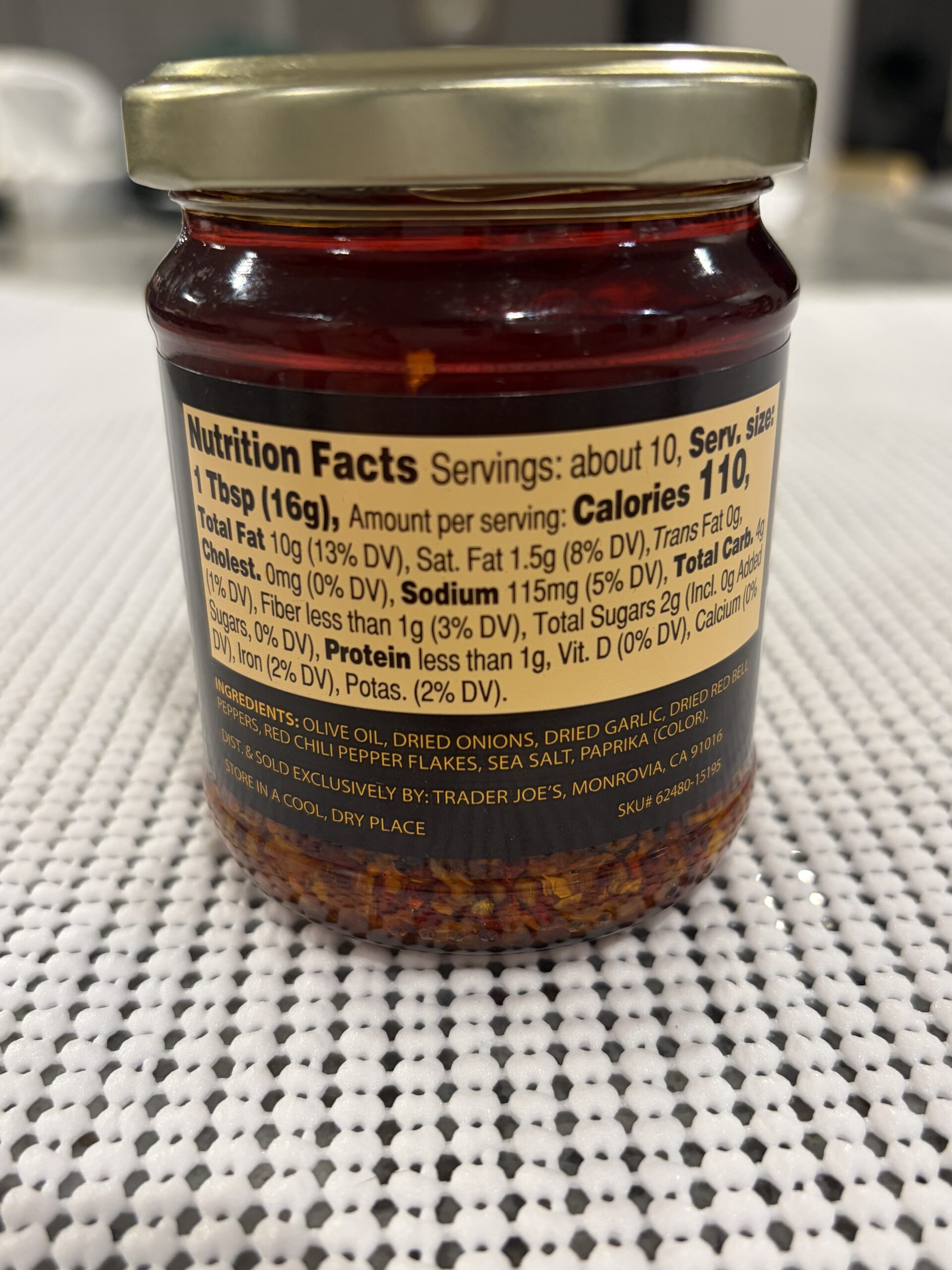
“Natural flavor” on a condiment label is the ingredient equivalent of a shrug. It’s technically an ingredient. It’s technically natural. And it tells you almost nothing about what’s actually in the product. What is natural flavor, really? It affects chili crisp, salsa macha, hot sauce, and basically every jarred condiment on the shelf — and the FDA definition is broader than most people think. If you’ve ever scanned the back of a chili crisp jar and wondered what “natural flavor” means — or why it’s there instead of a specific ingredient name — you’re asking the right question. The answer reveals more about food labeling law than about food.
I read every ingredient list before I taste anything. That’s the foundation of how I review products for this site. And “natural flavor” is the one line item that stops me every time — not because it’s dangerous, but because it’s deliberately vague. Here’s what the term actually means under FDA rules, why brands use it, what it might be hiding, and how I handle it when it shows up on products I review.
What “Natural Flavor” Actually Means Under FDA Rules
The FDA defines natural flavor in 21 CFR 101.22, and it’s worth reading the actual language because it’s broader than most people expect. A “natural flavor” is any substance extracted from a plant, animal, or fermented source whose primary function in the product is flavoring, not nutritional. That sounds reasonable until you realize how many things qualify.
Distillates, protein hydrolysates, essential oils, oleoresins, extracts from fruits, vegetables, herbs, bark, roots, meat, seafood, poultry, eggs, dairy, and fermentation products — all of these can be labeled as “natural flavor” without specifying what the source material is. A chili crisp could contain a proprietary blend of garlic extract, onion distillate, and fermented soy hydrolysate, and the label can legally collapse all of that into two words: natural flavor.
The only meaningful distinction under FDA rules is between “natural” and “artificial.” Natural flavors must come from a natural source. Artificial flavors are synthesized. But here’s the part that matters for label readers: both natural and artificial flavors can be chemically identical compounds. As the FDA’s own ingredient overview explains, the classification is about origin, not chemistry. Vanillin extracted from vanilla beans is “natural.” Vanillin synthesized in a lab is “artificial.” Your tongue processes them the same way. The distinction is about source, not substance.
The FDA does not require brands to disclose which natural flavors are in the product, what the source material is, or what percentage of the overall flavor profile they contribute. The only exception is for major allergens (like soy, wheat, or shellfish), which must be declared separately. Outside of allergen disclosure, “natural flavor” is a legal black box.
What Is Natural Flavor Doing on Condiment Labels?
There are three common reasons a chili crisp or condiment brand uses “natural flavor” instead of naming specific ingredients, and they’re not all equally concerning.
Proprietary formulation protection. Some brands use “natural flavor” to protect a specific blend they’ve developed — a particular ratio of garlic, onion, and spice extracts that creates their signature taste. This is the most defensible reason. Coca-Cola doesn’t list its exact formula, and some condiment makers take a similar approach on a smaller scale. I don’t love the opacity, but I understand the business logic.
Ingredient simplification. FDA labeling allows brands to group minor flavoring agents under the “natural flavor” umbrella rather than listing each individually. A product that uses six different spice extracts in trace amounts can list “natural flavor” instead of six separate line items. This keeps the label shorter, which some brands prefer for marketing reasons — a shorter ingredient list looks “cleaner” to consumers who equate fewer ingredients with higher quality.
Cost-cutting or substitution. This is the one I watch for. “Natural flavor” can mask the replacement of a more expensive real ingredient with a cheaper extract that approximates the same taste. Instead of using real garlic, a brand might use garlic-derived natural flavor — technically still “from garlic,” but not the whole ingredient. The result tastes close enough to pass casual scrutiny but lacks the depth that actual garlic provides.
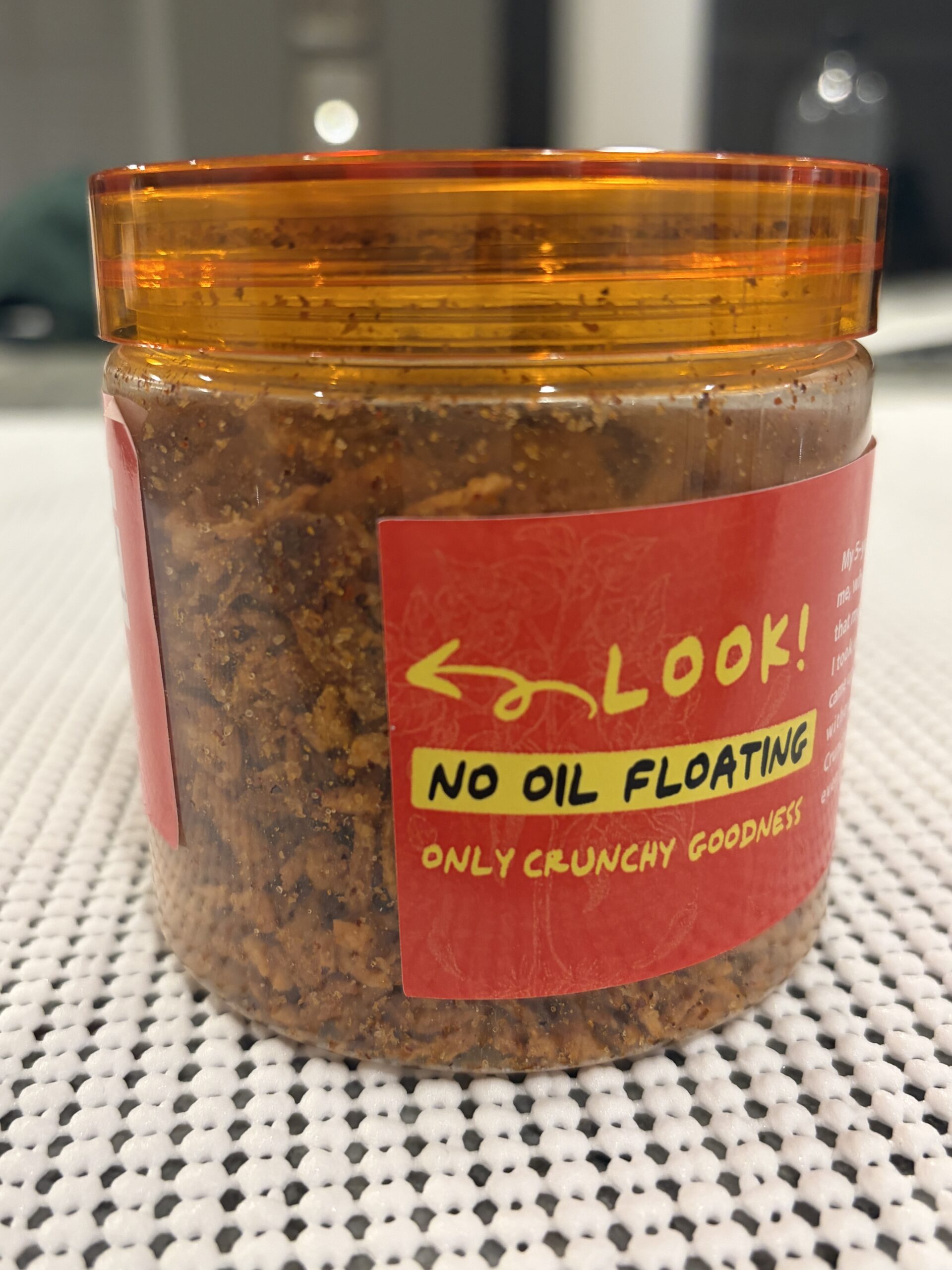
The problem is that from the label alone, you can’t tell which of these three reasons applies. A premium brand protecting a signature spice blend and a budget brand substituting extracts for real ingredients use the exact same two words on the label. That asymmetry is why “natural flavor” deserves scrutiny, not automatic trust.
Where “Natural Flavor” Shows Up in Chili Crisp
In the products I’ve reviewed, “natural flavor” tends to appear in two patterns:
Pattern 1: End-of-list minor addition. The ingredient list is otherwise specific — real garlic, named chili varieties, identified oil — and “natural flavor” appears near the bottom. This is the less concerning pattern. The product is mostly transparent, and the natural flavor is likely a minor seasoning enhancement. I note it but don’t weight it heavily against the product.
Pattern 2: Mid-list ambiguity. “Natural flavor” appears in the middle of the ingredient list, which means by weight it’s a more significant component. When it’s surrounded by other vague terms — “spices,” “seasoning,” unspecified “extractives” — the ingredient list starts looking like a redacted document. This pattern raises questions about what the product is actually built on.
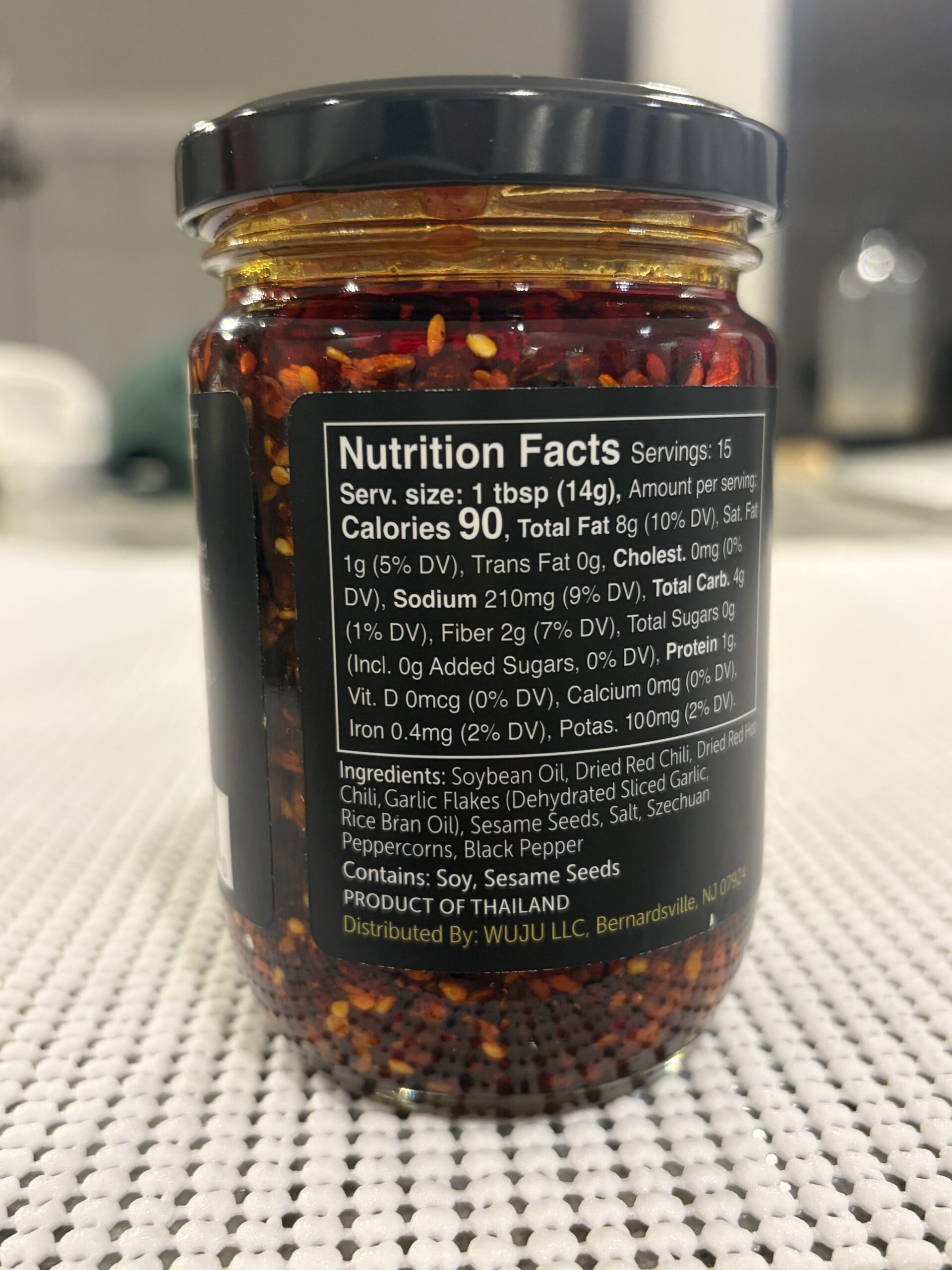 WUJU-nutrition-scaled.jpg” alt=”WUJU chili crisp nutrition and ingredient label — Flavor Index Lab” />
Among the brands I’ve reviewed, the ones with the most specific, transparent ingredient lists — GUIZ, Fly By Jing, Lao Gan Ma — tend to skip “natural flavor” entirely. They name their ingredients: specific oils, specific chili varieties, identifiable aromatics, real fermented black beans or MSG listed openly. The brands that use “natural flavor” more often tend to be larger-distribution, mass-market products where proprietary blending and cost management are bigger priorities. That’s a correlation, not a condemnation — but it’s a pattern worth being aware of.
It’s also worth noting what “natural flavor” is not required to disclose. The FDA mandates allergen labeling for eight major allergens (milk, eggs, fish, shellfish, tree nuts, peanuts, wheat, soybeans), and those must be declared regardless of whether they’re inside a “natural flavor” formulation. But anything outside that allergen list — specific herbs, spice extracts, fruit derivatives, fermented compounds — can live inside the “natural flavor” umbrella indefinitely. For someone with a sensitivity to a non-major-allergen ingredient, that gap can be a real problem. For the rest of us, it’s a transparency issue: you don’t know what you’re eating, and the brand has no obligation to tell you.
The “Natural Flavor” vs. Real Ingredient Gap
There’s a practical difference between “garlic” on a label and “natural flavor” that happens to be garlic-derived. Real garlic — fried, roasted, or minced — brings flavor, texture, aroma, and visual presence. Garlic-derived natural flavor brings a garlic taste note. One is an ingredient doing multiple jobs. The other is a flavor signal doing one job.
In chili crisp, where texture, aroma, and visual appearance all factor into the evaluation, ingredients that multi-task matter. When I see a product with real garlic, real shallot, named chili peppers, and identifiable fermented black beans, I know the label is describing things I can see, smell, and feel in the jar. When I see “natural flavor” doing the work that a real ingredient could do, the product loses some of that verifiability.
This connects directly to the label-reading philosophy that runs through everything on this site. A good ingredient list is one you can cross-reference with what’s actually in the jar. Open the lid, look inside, and check: can I see the garlic that’s listed? Can I identify the chili flakes? Are the soybeans visible? “Natural flavor” is the one ingredient you can never verify this way, which is precisely why it stands out.
How I Handle “Natural Flavor” in Reviews
I don’t automatically penalize a product for listing “natural flavor.” That would be reductive — some well-made products use the term for legitimate reasons. But I do note it, and I evaluate the product with that opacity in mind.
My approach follows three steps. First, I check where “natural flavor” falls on the ingredient list. Position matters — near the end is less significant than in the middle. Second, I look at what else is on the list. A product with 15 named, specific ingredients and “natural flavor” at position 16 is in a different category than a product with six vague entries. Third, I taste blind — meaning I form my flavor impression before looking at the label, then cross-reference. If a product tastes like it has strong, identifiable garlic flavor but the label only lists “natural flavor” and not garlic, that’s an information gap I flag.
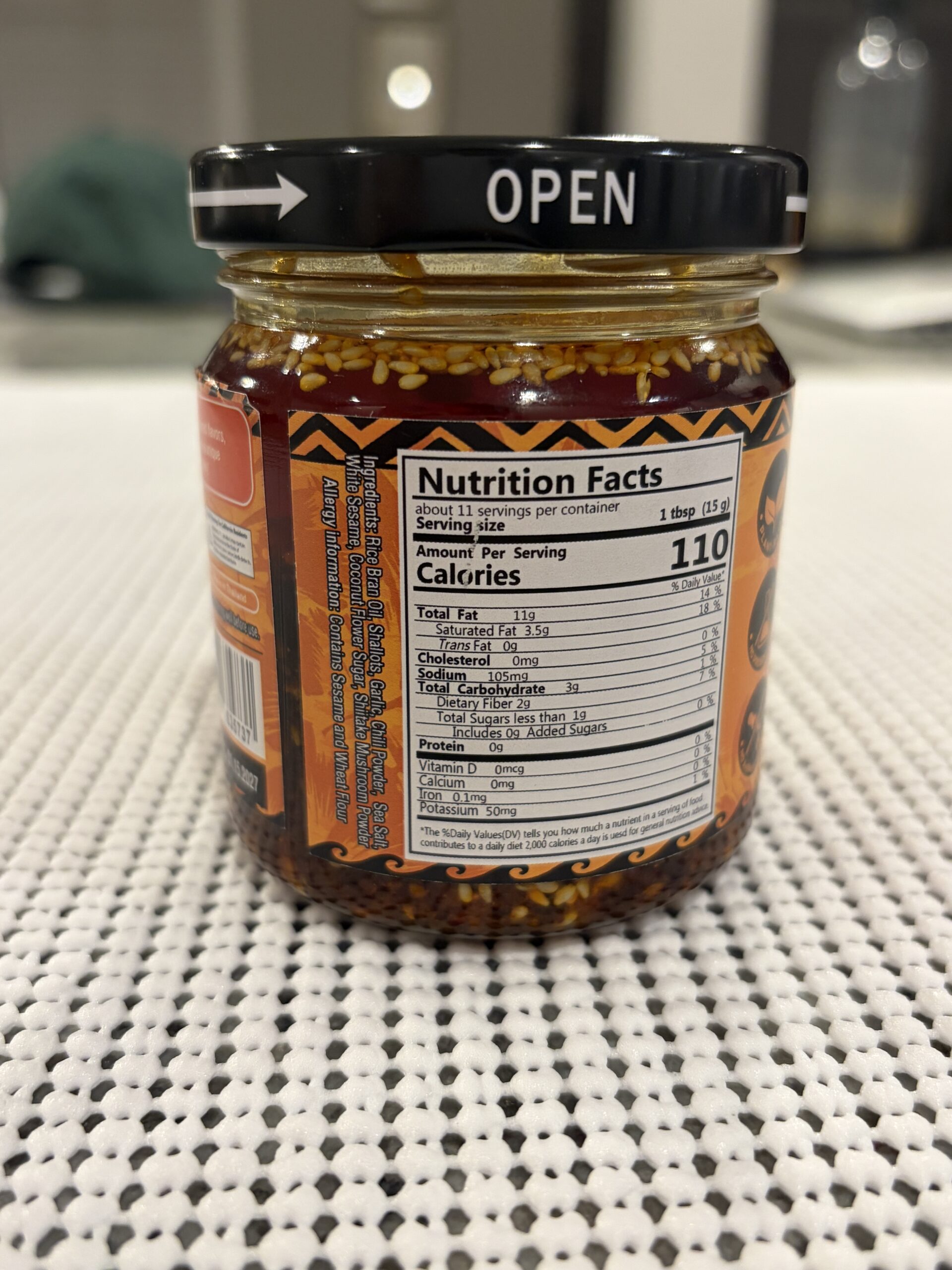
The products that concern me most are the ones where “natural flavor” appears to be doing heavy lifting — where the taste is clearly engineered but the label doesn’t explain how. Those products aren’t necessarily bad. They might taste fine. But they fail the transparency test that I think matters for anyone who cares about what’s actually in their condiment.
If a chili crisp lists every ingredient by name — no “natural flavor,” no vague “spices,” no mystery extractives — that’s an automatic transparency win. It doesn’t guarantee the product is good, but it means the brand is willing to show its work. I respect that. And in a category where most competitors are hiding behind two-word catch-alls, it’s a differentiator that matters.
The Bottom Line on Natural Flavor in Condiments
“Natural flavor” is not a health risk. It’s not an indication that a product is unsafe or poorly made. What it is, consistently, is a gap in information — a place on the label where specificity ends and trust begins. Some brands earn that trust through the quality of everything else on the list. Others use the vagueness as cover.
The next time you pick up a jar and see “natural flavor” in the ingredients, ask yourself what it’s replacing. Is the rest of the list specific and transparent? Or is the product leaning on vague terms throughout? The answer tells you more about the brand’s approach to formulation than any marketing claim on the front of the jar. For the full framework on reading every ingredient on a chili crisp label — from the oil base to the Sichuan peppercorn — the Label Reading Guide covers it all.
Frequently Asked Questions
What does ‘natural flavor’ mean on a chili crisp label?
Under FDA rules (21 CFR 101.22), ‘natural flavor’ is any flavoring substance derived from a plant, animal, or fermented source. It can include essential oils, extracts, distillates, and protein hydrolysates. The term is legally broad and doesn’t require brands to disclose the specific source material.
Is natural flavor safe in condiments?
Yes. Natural flavors must meet FDA safety standards. The concern isn’t safety — it’s transparency. ‘Natural flavor’ tells you almost nothing about what the ingredient actually is, which makes it impossible to verify against what you taste and see in the jar.
Why do some chili crisp brands use ‘natural flavor’ instead of naming ingredients?
Three common reasons: protecting a proprietary flavor blend, simplifying the label by grouping minor flavoring agents under one term, or substituting cheaper extracts for whole ingredients. From the label alone, you can’t tell which reason applies.
Is ‘natural flavor’ the same as artificial flavor?
Not by FDA definition — natural flavors must come from a natural source, while artificial flavors are synthesized. However, the resulting chemical compounds can be identical. Vanillin from vanilla beans (natural) and vanillin from a lab (artificial) are the same molecule. The distinction is about source, not substance.
Should I avoid chili crisp with ‘natural flavor’ on the label?
Not automatically. Check where it falls on the ingredient list (near the end is less concerning), look at how specific the rest of the label is, and consider the brand’s overall transparency. A product with 15 named ingredients and ‘natural flavor’ at the end is different from one that relies on vague terms throughout.
Which chili crisp brands don’t use ‘natural flavor’?
Brands with the most transparent ingredient lists — like GUIZ, Fly By Jing, and Lao Gan Ma — tend to name every ingredient specifically without relying on ‘natural flavor.’ This is more common among brands that position themselves on ingredient quality and traditional methods.
What’s the difference between ‘natural flavor’ and ‘spices’ on a label?
‘Spices’ is a separate FDA-defined category that refers to aromatic vegetable substances used for seasoning (like cinnamon, clove, or star anise). ‘Natural flavor’ is broader and can include extracts, distillates, and hydrolysates from any natural source. Both are vague, but ‘spices’ at least tells you the category of ingredient.