
This post contains affiliate links. I may earn a small commission if you buy through them — at no extra cost to you. My opinions are never influenced by this.
Sriracha alternatives — you’re here because something shifted. Maybe the bottle ran out during the shortage and you grabbed something else off the shelf. Maybe you tried a friend’s chili crisp on a dumpling and spent the next ten minutes trying to figure out what just happened in your mouth. Or maybe you’ve just been putting the same hot sauce on everything for a decade and some part of your brain is asking: is this it?
I had that moment. For years, my condiment strategy was simple: Sriracha on eggs, Frank’s on pizza, Tabasco if I was feeling nostalgic. It worked. I’m not going to tell you it didn’t. But the thing about liquid hot sauce is that it does one job — it delivers heat in a thin, vinegar-forward stream, and then it’s done. No texture. No depth. No second act.
Then I opened a jar of chili crisp and realized I’d been thinking about condiments wrong. Not because sriracha is bad. Because sriracha is a starting point, not a ceiling. And once you understand the map — liquid heat, paste heat, textured heat — you start seeing places to use things you never considered before.
This is that map. Not a ranked list of bottles. Not “10 hot sauces to try.” This is the structural guide to how spicy condiments actually work — and why the foods you already love are one jar away from being better.
Liquid Heat, Paste Heat, and Textured Heat — Pick Your Path
The spicy condiment world breaks into three structural branches. You already know the first one. The other two are where it gets interesting.
Branch 1: Liquid Heat (What You Already Know)
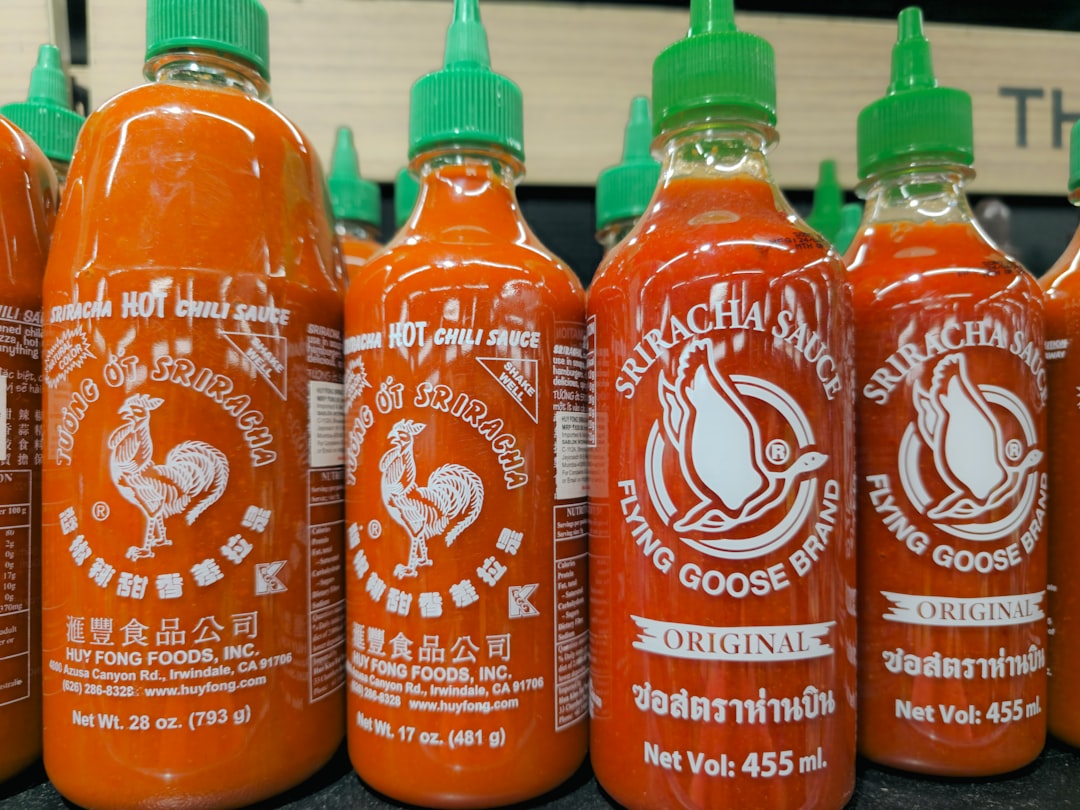
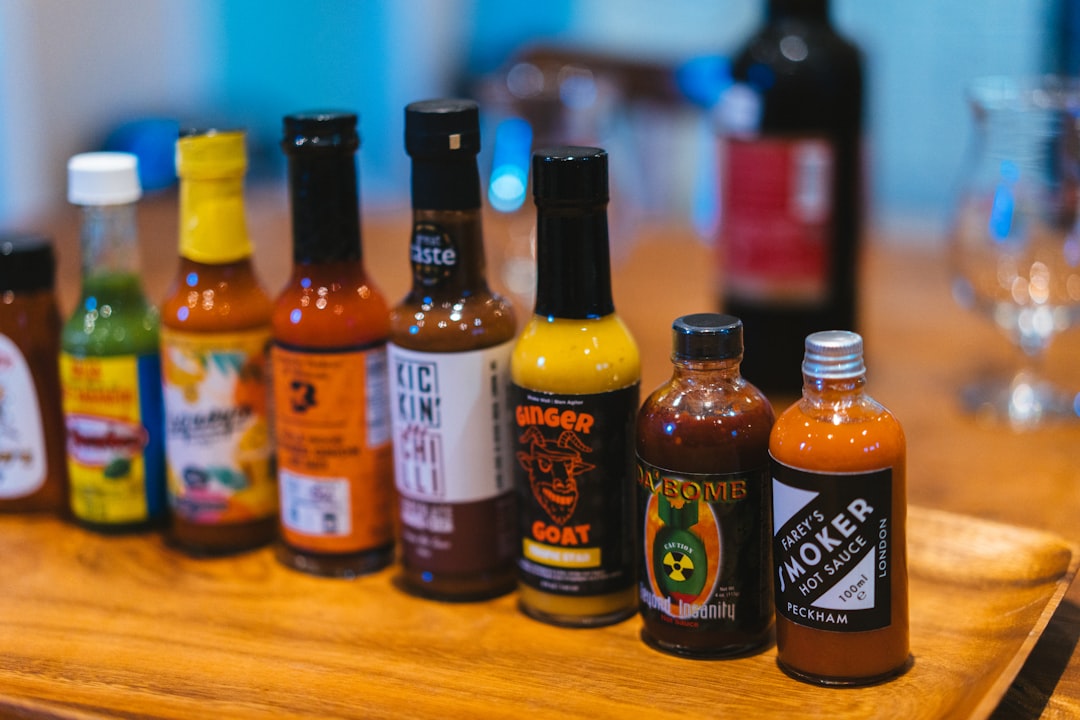
Sriracha. Frank’s RedHot. Tabasco. Cholula. Crystal. These are pourable, vinegar-based, consistent. They go on everything without changing the texture of whatever you’re eating. That’s the strength — and it’s also the ceiling. Liquid hot sauce is heat delivery with a side of acid. It’s a one-dimensional tool, which is fine if heat is all you’re after.
But here’s the thing I noticed after years of using them: every liquid hot sauce tastes more like the sauce itself than the food underneath. The vinegar takes over. You’re eating sriracha-flavored eggs, not eggs finished with something that makes the egg taste more like an egg.
Branch 2: Paste Heat (The Depth Upgrade)
Gochujang. Sambal oelek. Harissa. Doubanjiang. These are thick, fermented, and layered in ways liquid sauces aren’t. Gochujang brings a slow-building sweet heat with genuine umami underneath. Sambal is raw, chunky, funky. Harissa has a smoky warmth that does something interesting to roasted vegetables.
The limitation: these aren’t finishing condiments. You cook with them, or you mix them into something. They’re ingredients, not toppings. You don’t spoon gochujang onto a bowl of rice and eat it cold — or if you do, you’re committed to a very specific flavor experience.
Branch 3: Textured Heat (The Part Nobody Told You About)
Chili crisp. Salsa macha. Certain chili oils with heavy solids. This is oil-based heat with crispy bits — fried garlic, toasted chilies, crunchy shallots, sometimes peanuts or sesame seeds. You spoon it on top of things. The oil carries flavor into the food while the bits sit on top adding crunch.
That combination — heat plus texture plus umami plus aroma in one scoop — is the thing that doesn’t exist anywhere in Branch 1 or Branch 2. It’s not just a condiment. It’s a finishing layer. The oil does flavor work on its own. The bits add crunch and aromatic depth. Together they create something that’s more than a topping — it’s a second layer of seasoning applied after the cooking is done.
And once you start using it that way, you find yourself putting it on foods you never thought needed anything. Leftover pizza. A bowl of buttered noodles your kid didn’t finish. A fried egg at 11 PM. That’s the gateway moment — not when someone tells you about chili crisp, but when you reach for it without thinking.
The Best Sriracha Alternatives, Dish by Dish
This is the part where the dots connect. You already have foods you put hot sauce on. Here’s what happens when you swap the tool for one that matches the job better.
Eggs
Liquid hot sauce makes eggs soggy. The vinegar pools under the yolk, the whites get wet. Chili crisp does the opposite — the oil bastes the white, the crispy bits sit on top and add crunch with every bite. Put it on fried eggs. Put it on scrambled. You’ll stop reaching for the bottle.
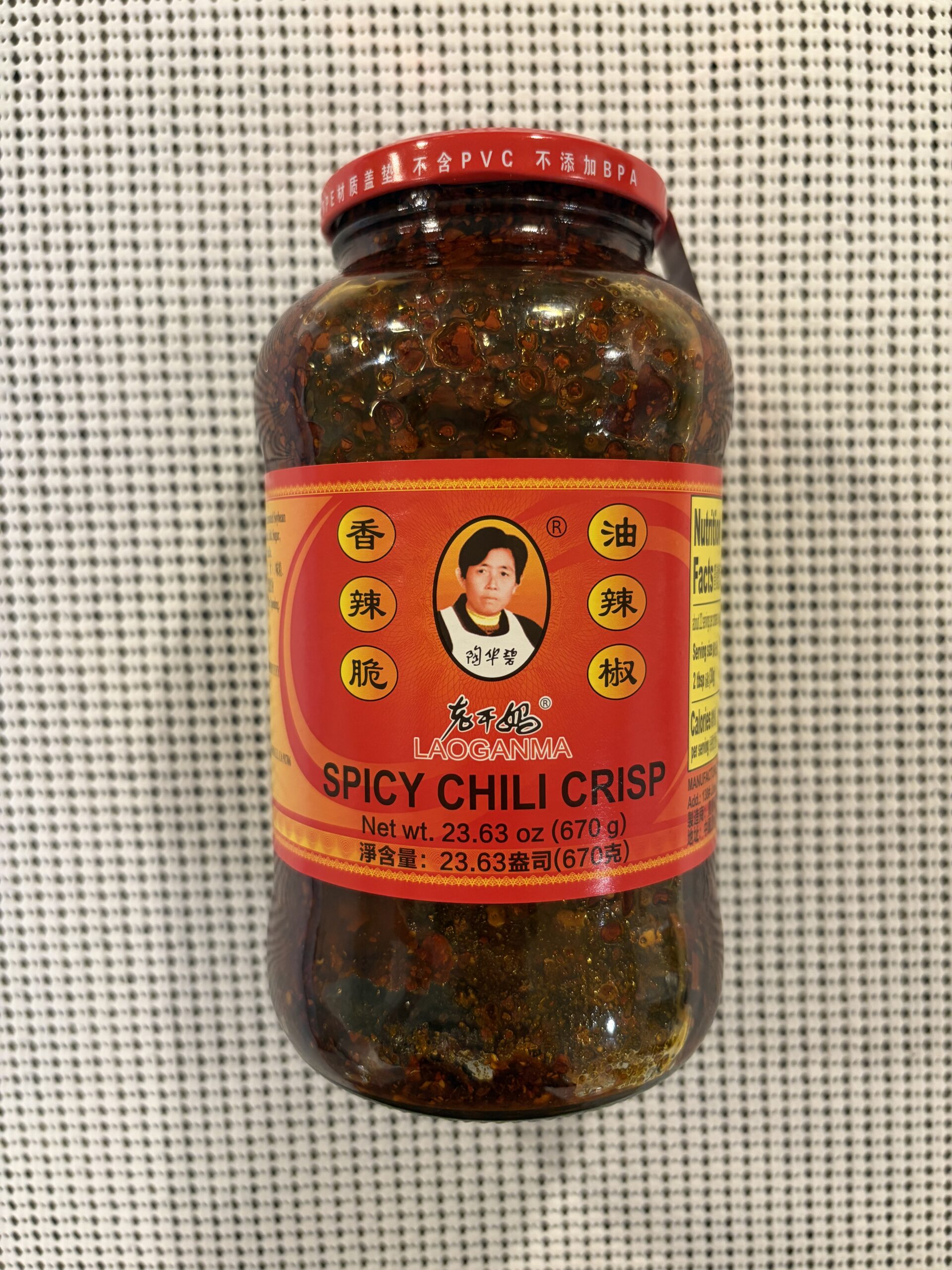
Try: Lao Gan Ma for the benchmark; GUIZ if you want the premium version.
Pizza
Sriracha on pizza is vinegar on cheese. Chili crisp on pizza is fat-soluble heat that melts into the cheese and crispy bits that land on every bite. The oil doesn’t fight the grease — it joins it. And the crunch on top of melted mozzarella is something you have to try to understand.
Try: Fly By Jing Original — the Sichuan tingle on a pepperoni slice is unexpected and genuinely good.
Ramen and Noodle Soups
Oil-based heat integrates into broth. Sriracha’s vinegar fights the stock and sits on the surface. A drizzle of chili oil or rayu sinks in, carries garlic and Sichuan peppercorn into the broth, and makes the whole bowl warmer without changing what it is.
Try: Momoya Chili Oil — designed for this. Sesame-forward, clean, integrates without competing.
Rice
Plain rice with chili crisp is the gateway meal. One scoop transforms a bowl of nothing into a bowl of something — crispy garlic, toasted chilies, a slick of infused oil coating every grain. You’ll find yourself making rice just so you have something to put chili crisp on.
Try: Lao Gan Ma — this is literally what it was made for.
Dumplings
The original use case. Chinese dumplings with chili oil is the pairing that started this entire category. The vinegar in a liquid hot sauce clashes with the wrapper. Chili crisp’s oil and bits complement the dough and the filling without overpowering either.
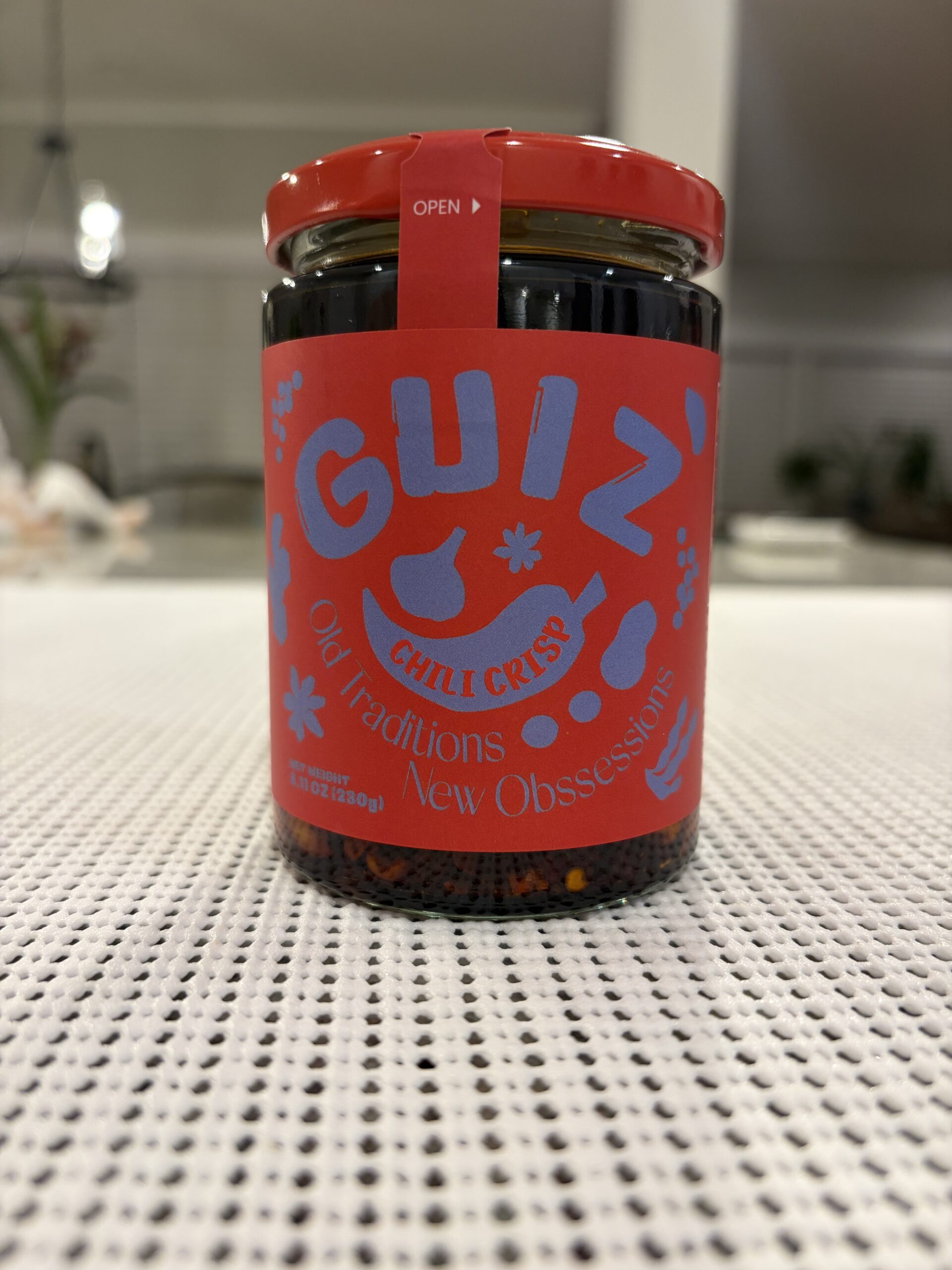
Try: GUIZ Original — complex enough to match any filling, and the crunch holds up against the soft wrapper.
Grilled Meat
This is the one that surprised me. A spoonful of chili crisp on a finished steak or grilled chicken thigh adds a layer that dry rubs and BBQ sauces miss entirely — crispy texture on top of charred crust, umami from fermented chilies deepening the meat flavor instead of covering it. Traditional sauces add moisture, which softens bark and dilutes crust. Chili crisp’s oil base respects the sear. The bits toast slightly on contact with hot meat, which creates an aroma that’ll make everyone at the table ask what you did differently.
Try: Momofuku Chili Crunch — the garlic-forward profile and moderate heat work with beef and chicken without stealing the show.
Avocado Toast
Fat on fat. The chili crisp oil melds with the avocado, and the bits add crunch that toast alone can’t deliver. It’s the difference between “avocado on bread” and “a thing I’d actually order again.”
Try: Trader Joe’s Chili Onion Crunch — onion-forward, familiar, $3. The approachable entry point.
Sandwiches
Liquid hot sauce makes bread wet. Chili crisp, spooned onto meat or mixed into mayo, adds body and crunch. Sambal mixed into mayo gives you a spread with depth instead of just heat. Gochujang as a glaze on a roasted pork sandwich brings fermented sweetness. Different tools, different sandwiches.
Try: WUJU Original mixed into mayo — the citrus notes and moderate heat make a sandwich spread that doesn’t overwhelm the fillings. For more warmth, try WUJU’s Sweet Heat variant — honey and extra chili turn the same base into something bolder.
Three Things I Didn’t Expect
I went into this thinking chili crisp was basically “crunchy sriracha.” That’s wrong. Here’s what actually surprised me after testing over 20 jars.
1. Chili Crisp Isn’t One Flavor
Sichuan-style tastes nothing like Japanese-style, which tastes nothing like fusion American, which tastes nothing like salsa macha. Sichuan brings the numbing tingle from peppercorns and fermented depth from doubanjiang — it’s the mala tradition, and it’s been refined over centuries. Japanese rayu is lighter, cleaner, often built on sesame oil with bonito or kombu undertones. American fusion brands pile on garlic and crunch — Trader Joe’s Chili Onion Crunch is the most familiar version, with its olive oil base and onion-forward profile. Salsa macha uses nuts and dried chiles for a smoky, earthy thing that’s closer to mole than to hot sauce.
The category has real range — more range than the entire liquid hot sauce shelf combined. And that range maps to different foods, different moods, different seasons. A Japanese-style crisp on rice is a completely different experience from a Sichuan-style crisp on the same bowl. Once you taste the difference, “chili crisp” stops being a product and starts being a category.
2. The Oil Isn’t Just a Carrier
In a good chili crisp, the oil is doing work. It’s infused with Sichuan peppercorn, garlic, sometimes mushroom, sometimes star anise. In Fly By Jing, the oil alone tastes like something you’d drizzle on a finished dish. In Lao Gan Ma, the oil is more neutral — it’s a vehicle, not a co-star. That difference matters because it changes what you pair it with. I started tasting the oil and the bits separately on every jar, and it told me more about the product than any tasting note on the label.
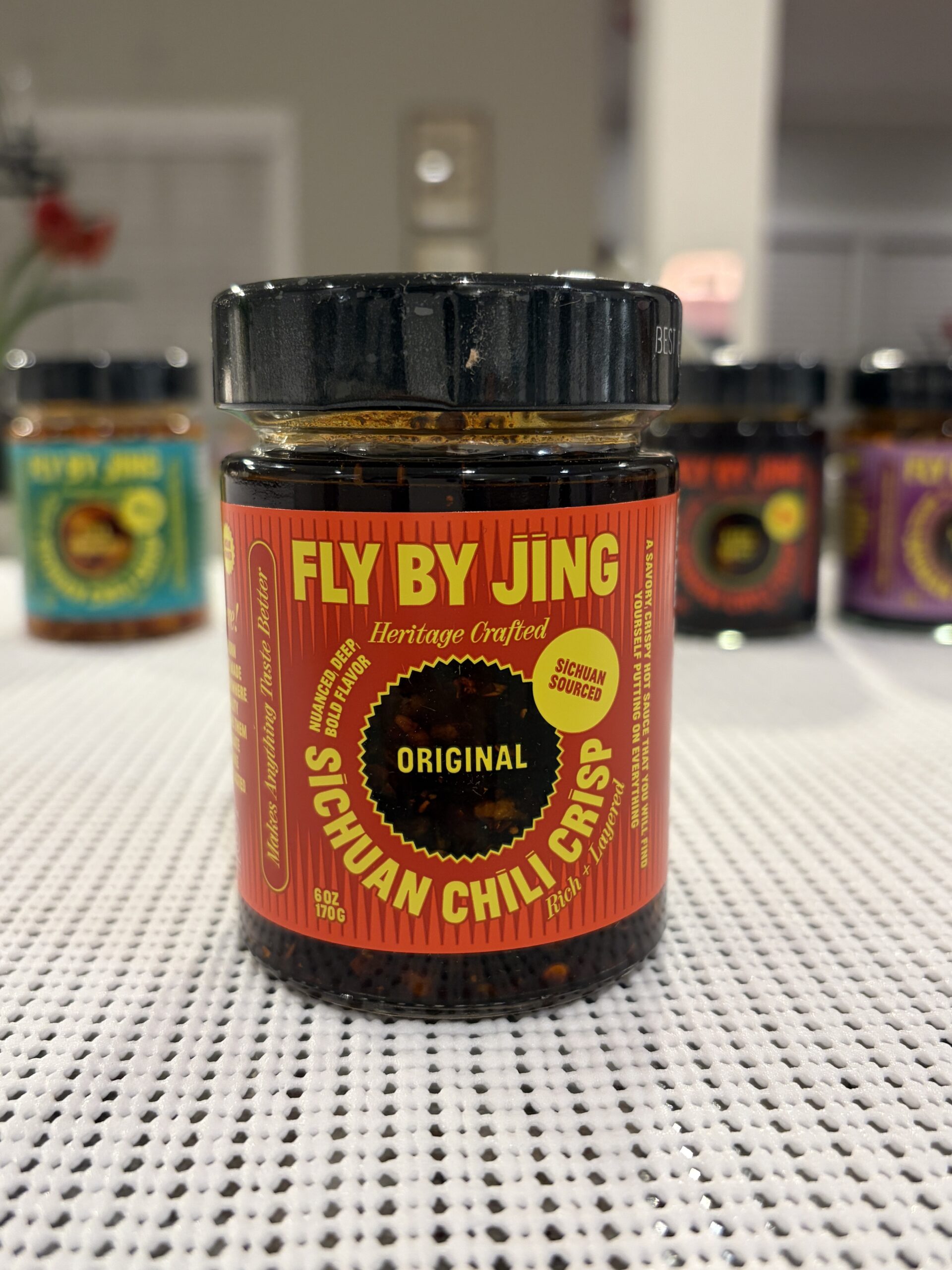 Fly By Jing Sichuan chili crisp jar — Flavor Index Lab” />
3. The Ingredient List Tells You Everything Before You Open the Jar
Reading labels isn’t something most people do with condiments. But once you start, you can’t stop. Soybean oil vs. rapeseed oil tells you something. Soybeans listed as a top ingredient tells you they’re being used as filler — cheap crunch that isn’t crispy aromatics. The position of garlic in the list tells you whether you’ll actually taste it or if it’s a marketing claim. I evaluate ingredients before I ever open the jar, and it’s right more often than it should be.
Why This Clicks for People Who Don’t Think About Condiments
Here’s the thing nobody says out loud: most people who end up loving chili crisp didn’t go looking for it. They weren’t browsing the condiment aisle thinking “I need more complexity in my finishing layers.” They were eating something they already liked — tacos, eggs, a bowl of rice, a slice of pizza — and somebody put chili crisp on it, and the food was just better.
Not different. Better. The pizza still tasted like pizza. But there was crunch where there wasn’t crunch before. There was warmth that built instead of just hitting. There was something savory underneath the cheese that made you take another bite faster. That’s what textured heat does — it enhances what’s already there instead of overwriting it.
If you’re a BBQ person, think of it this way: a good finishing salt doesn’t change the steak. It makes the steak more itself. Chili crisp does the same thing, but with three dimensions instead of one. Heat, texture, umami. All at once. On food you already eat.
I’ve seen people put it on mac and cheese, on soup, on buttered toast, on a gas station burrito at 2 AM. The through-line isn’t any specific food. It’s the realization that a single scoop can make ordinary food interesting again — and that’s a category of condiment that didn’t really exist for most people five years ago.
The $20 Experiment
You don’t need to commit to anything. Three jars, under $20, and you’ll know whether this is for you.
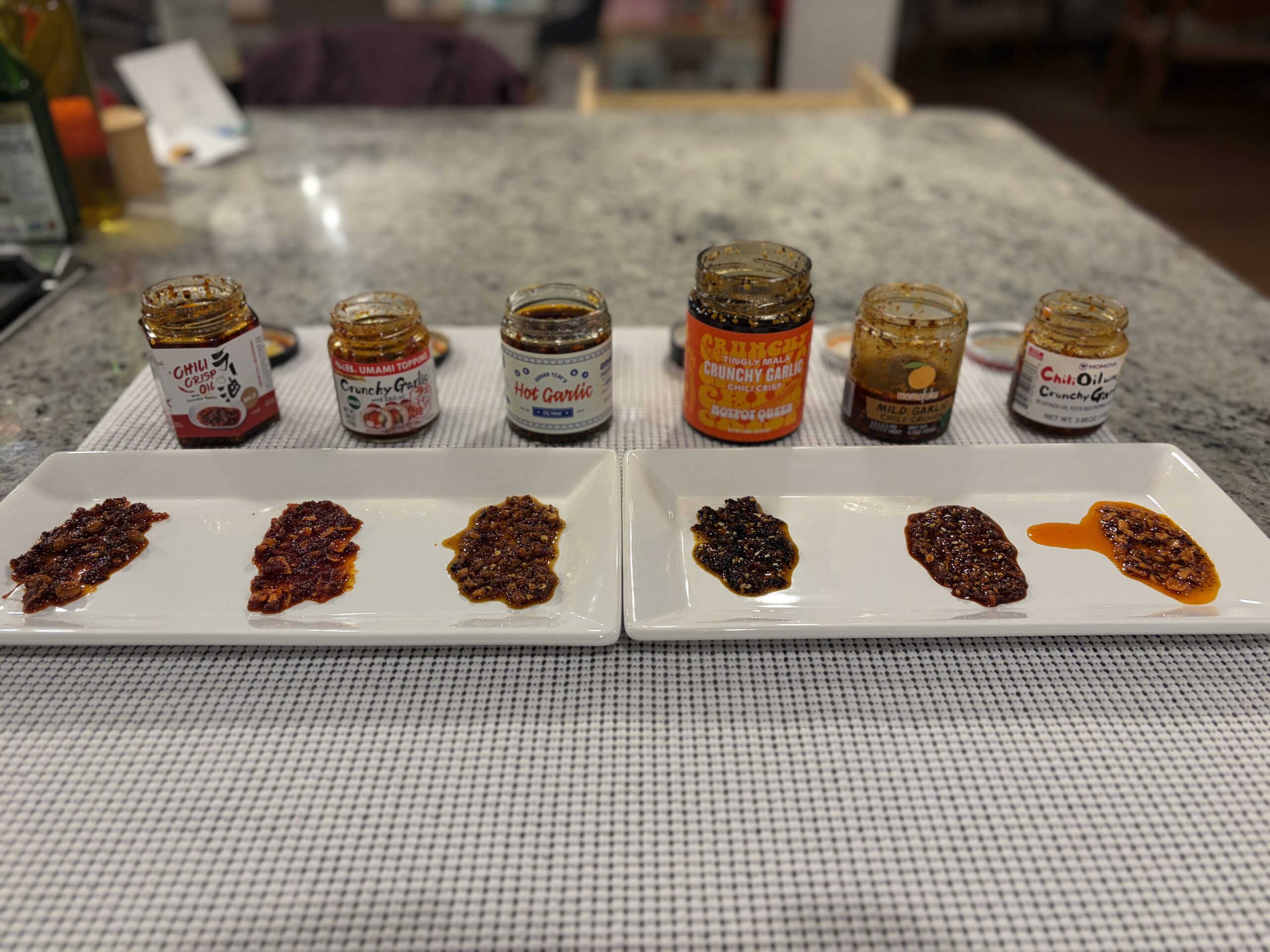
Jar 1: Lao Gan Ma Spicy Chili Crisp — $4 at most grocery stores. This is the benchmark. It’s been around for decades, it sells millions of jars a year, and it establishes what chili crisp is at its most basic: crunchy bits, chili-infused oil, heat that sneaks up on you. It’s not fancy. It does its job. Start here so everything else has context.
Jar 2: Fly By Jing Sichuan Chili Crisp or GUIZ Original — $10-15. This is the “oh, this is different” jar. Premium ingredients, more complex flavor, and the moment where you realize chili crisp isn’t a monolith. The oil alone tastes like something. The bits have layers. It’s a different experience from Lao Gan Ma, and that gap is the whole point.
Jar 3: Something from Branch 2. A small tub of gochujang or a jar of sambal oelek — $3-5 at any Asian grocery. This isn’t chili crisp, and that’s the point. It shows you how paste heat works differently from textured heat. Cook with it. Mix it into mayo. Glaze some chicken thighs. You’ll understand the three branches by taste, not by reading about them.
Total cost: less than a decent hot sauce gift set. Except this one actually teaches you something. By the time you’ve finished all three, you’ll understand the three branches by taste — which is the only way any of this actually makes sense. Reading about the difference between liquid heat and textured heat is one thing. Spooning chili crisp onto a fried egg after ten years of sriracha is another.
Where to Go From Here
If the $20 experiment lands and you want to go deeper, the full buying guide covers every jar I’ve tested, organized by what matters — flavor complexity, crunch, heat character, ingredient quality. If you want to build a small collection that covers the range, the starter kit guide walks through exactly how to do that.
And if you’re wondering about the science behind any of this — why Sichuan peppercorn numbs instead of burns, what the oil base tells you about the jar, what makes a crispy bit actually crispy — the knowledge library covers all of it.
Sriracha was the on-ramp. The road keeps going. And the best part is, you don’t have to change what you eat — just what you put on it.
Frequently Asked Questions
What can I use instead of sriracha?
It depends on what you’re putting it on. Chili crisp for texture and heat on eggs, pizza, and rice. Gochujang for fermented depth in marinades and glazes. Sambal oelek for raw chili punch in stir-fries and noodles. Chili oil for broth-based soups and ramen. Each solves a different problem — there’s no single 1:1 replacement.
Is chili crisp similar to sriracha?
Structurally, they’re very different. Sriracha is liquid heat — vinegar, chili, garlic in a thin, pourable sauce. Chili crisp is a textured condiment — oil-based with crispy bits, fried aromatics, and layered flavor. Sriracha mixes into food. Chili crisp finishes on top of food. They solve different problems.
What are the best Asian condiments to try?
Start with the big five: chili crisp (finishing and texture), soy sauce (umami base), gochujang (fermented cooking paste), fish sauce (savory depth), and sesame oil (aromatic finishing). Each fills a different function in the kitchen, and together they cover most flavor needs.
Is chili oil or sriracha better for ramen?
Chili oil. Oil-based heat integrates into broth naturally — it carries garlic, Sichuan peppercorn, and sesame into the soup. Sriracha’s vinegar fights the stock’s flavor and sits on the surface instead of blending in.
Is gochujang spicier than sriracha?
Usually less spicy but significantly more complex. Gochujang has fermented sweetness, deep umami, and slow-building heat. Sriracha is sharper, more acidic, and more immediate. Gochujang is a cooking ingredient — you mix it into marinades, glazes, and sauces. Sriracha is a finishing sauce you squeeze on top.
What’s the difference between chili crisp and chili oil?
The solids ratio. Chili oil is primarily oil with chili infusion — maybe some flakes or sediment at the bottom. Chili crisp has a high proportion of crispy bits: fried garlic, shallots, chilies, sometimes peanuts or soybeans. The texture component is what defines chili crisp. More detail in our full breakdown at /chili-crisp-vs-chili-oil/.
Is sambal oelek the same as chili crisp?
No. Sambal oelek is a fermented chili paste — chunky, wet, and funky from fermentation. Chili crisp is oil-based with fried crispy bits. Different texture, different flavor family, different use cases. Sambal is an ingredient you cook with. Chili crisp is a condiment you finish with.
What is the most versatile spicy condiment?
Chili crisp. It works as a finishing drizzle, a dipping sauce, a cooking oil, and a flavor booster for leftovers. The combination of infused oil and crispy bits gives it range that no liquid sauce can match — it adds texture, heat, and umami in one scoop.