Fermented Black Beans in Chili Crisp: The Ingredient Most People Skip Over
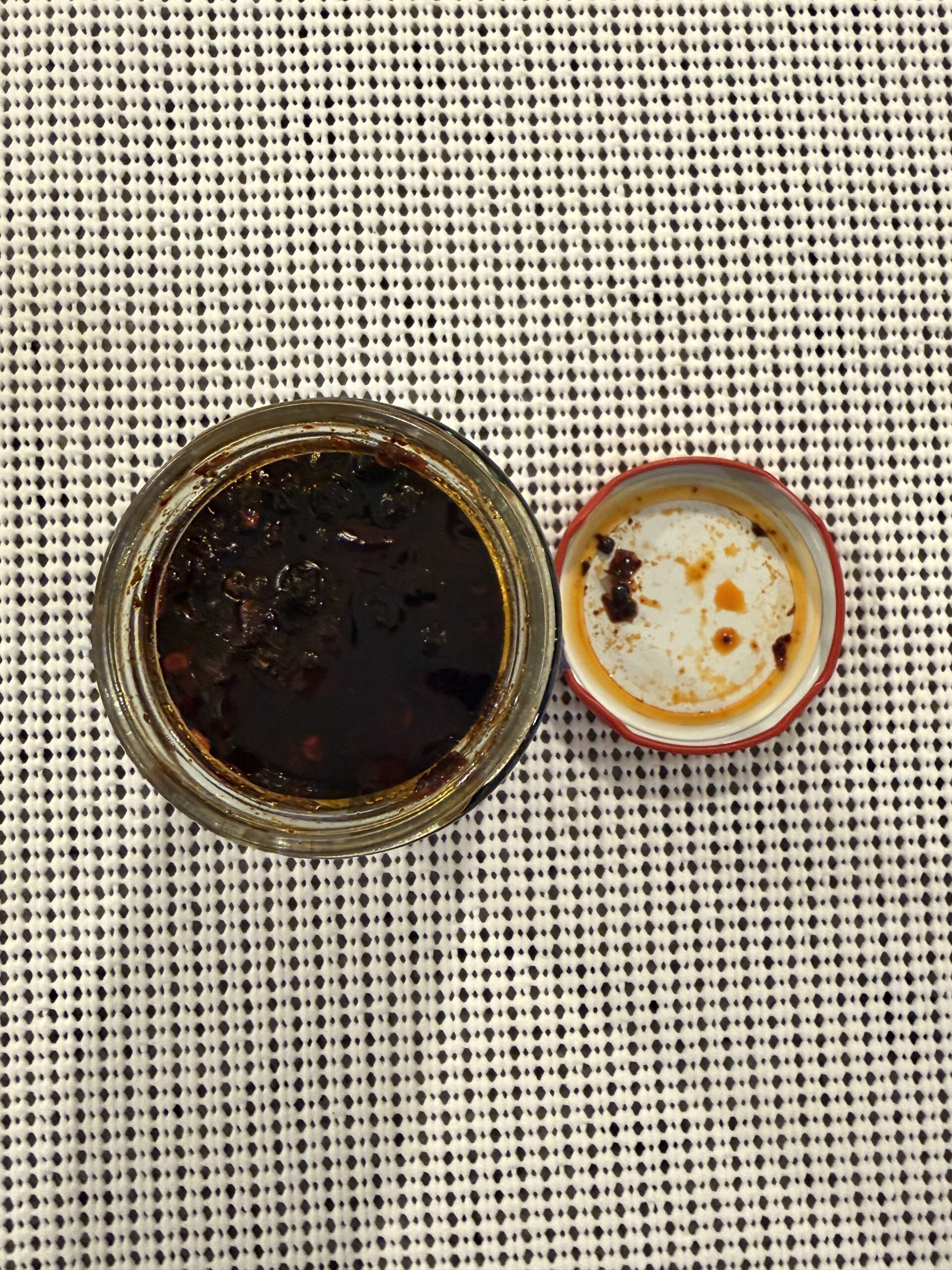
Douchi — fermented black soybeans — is one of the most interesting and overlooked ingredients in chili crisp. Here’s what it does, why it matters, and how FIL evaluates it.

 Phil
Phil
Douchi — fermented black soybeans — is one of the most interesting and overlooked ingredients in chili crisp. Here’s what it does, why it matters, and how FIL evaluates it.
“Natural flavor” is the vaguest ingredient on most condiment labels. Here’s what the FDA definition actually allows, why brands use it, and how Flavor Index Lab evaluates it.
MSG shows up in nearly every chili crisp on the shelf. Here’s what it actually is, what the science says about safety, and how Flavor Index Lab evaluates it in reviews.
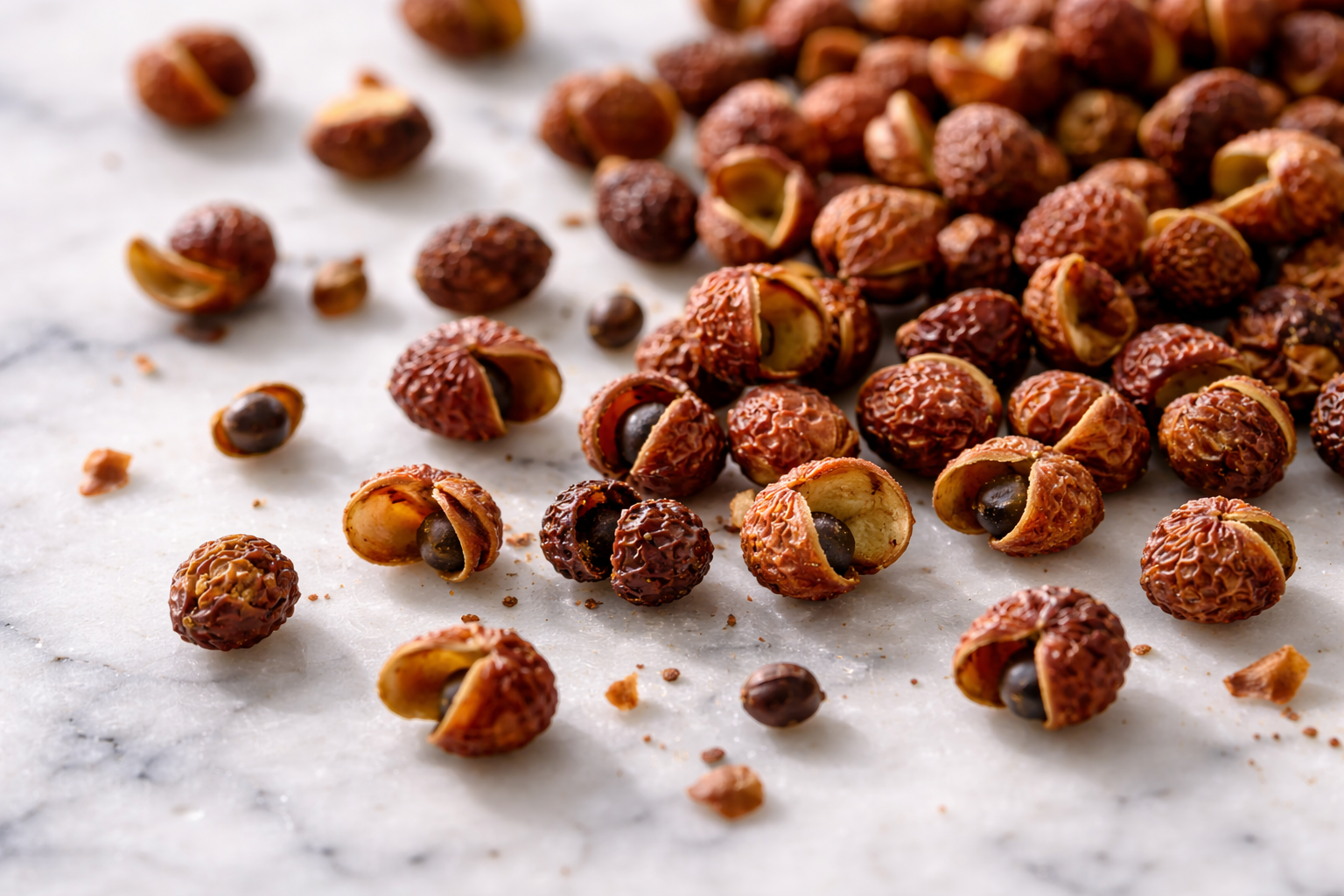
Sichuan peppercorn isn’t a pepper — it’s a citrus-family seed husk that numbs your mouth at 50 Hz. Here’s the science, the flavor, and how Flavor Index Lab evaluates it.
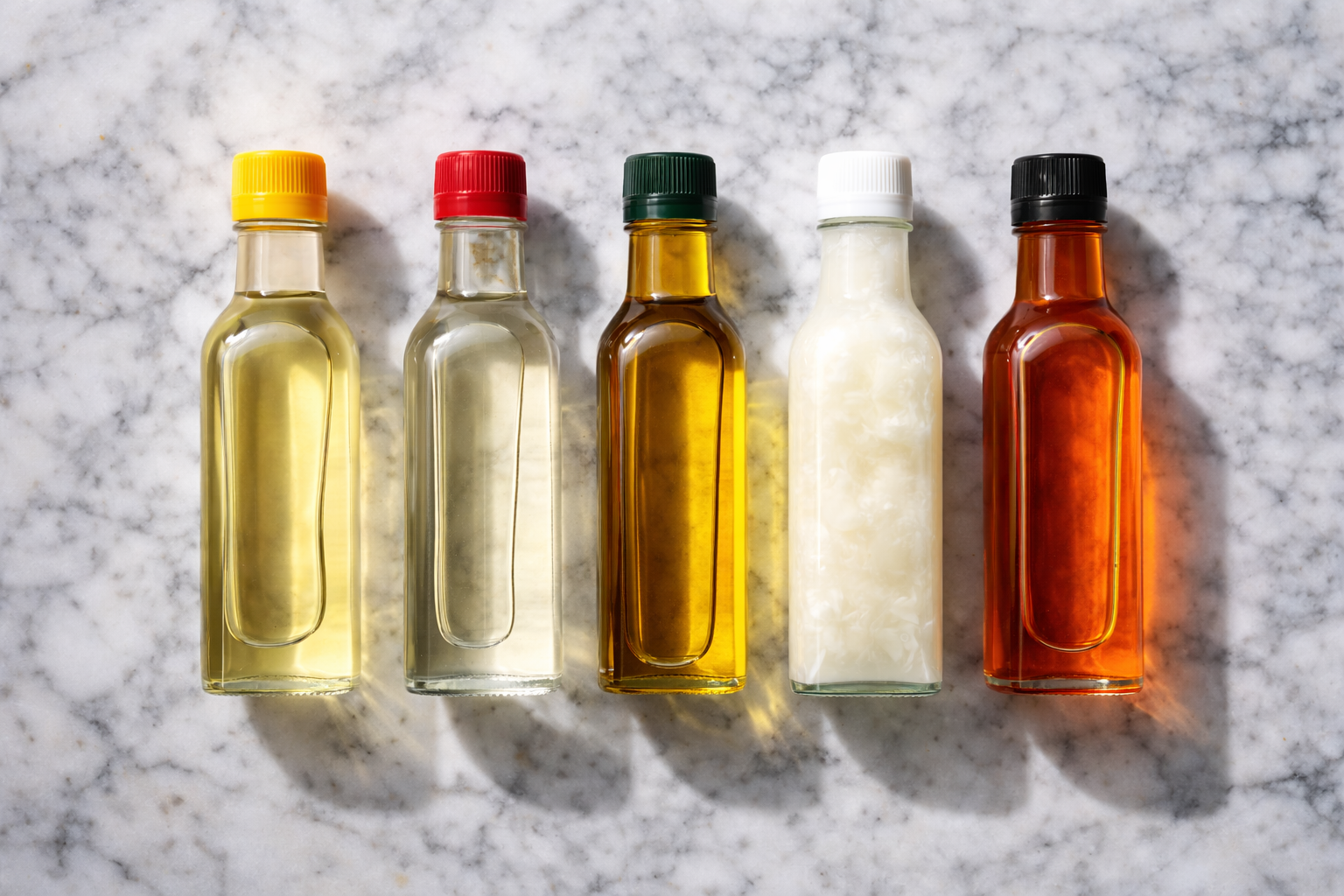
The base oil is the biggest ingredient in every jar of chili crisp. Here’s what rapeseed and soybean oil each tell you about how the product was made.
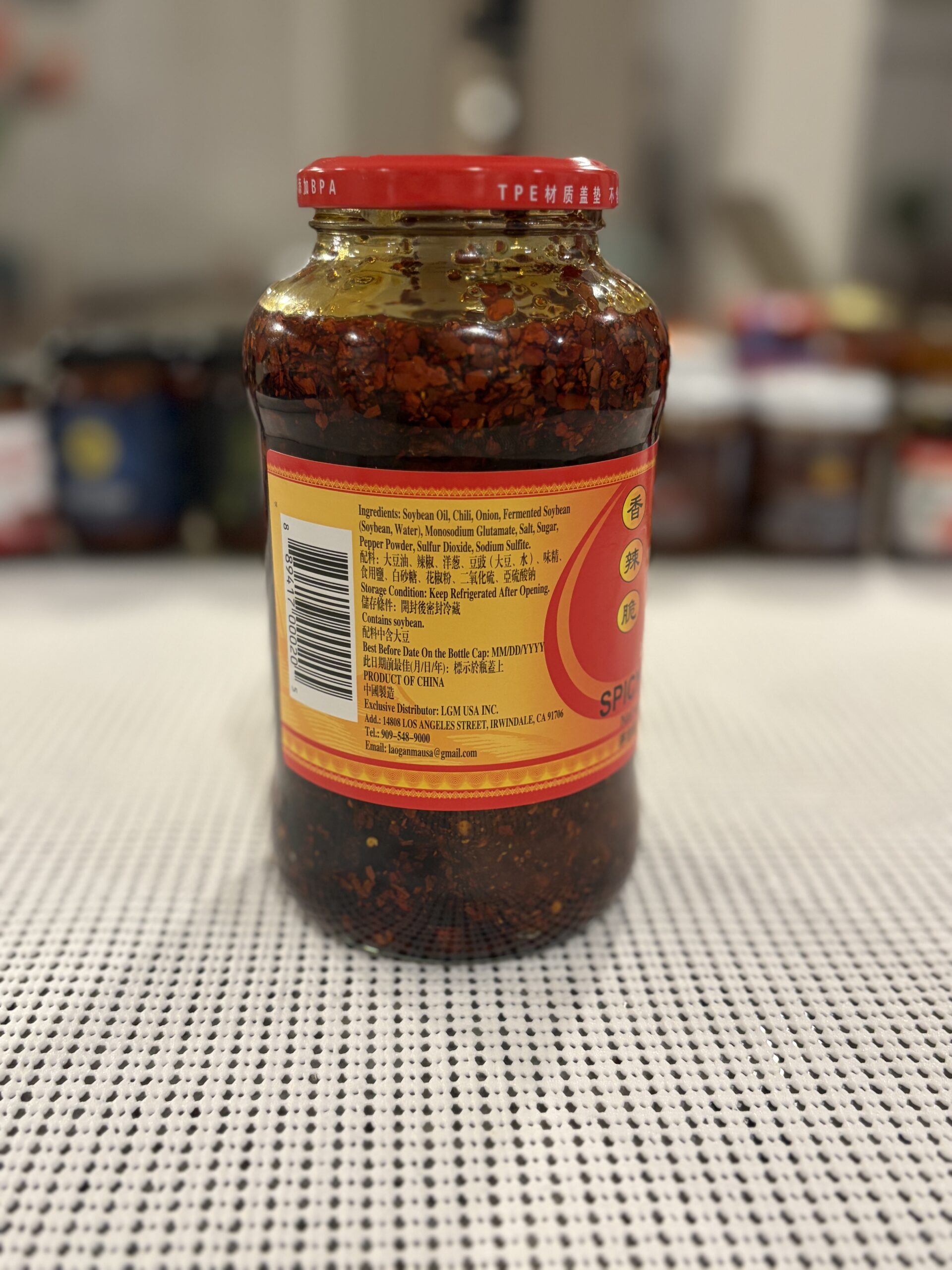
Soybeans are the cheapest way to fake crunch in a chili crisp jar. Here’s how to spot them on the label, why brands use them, and what real crunch looks like.
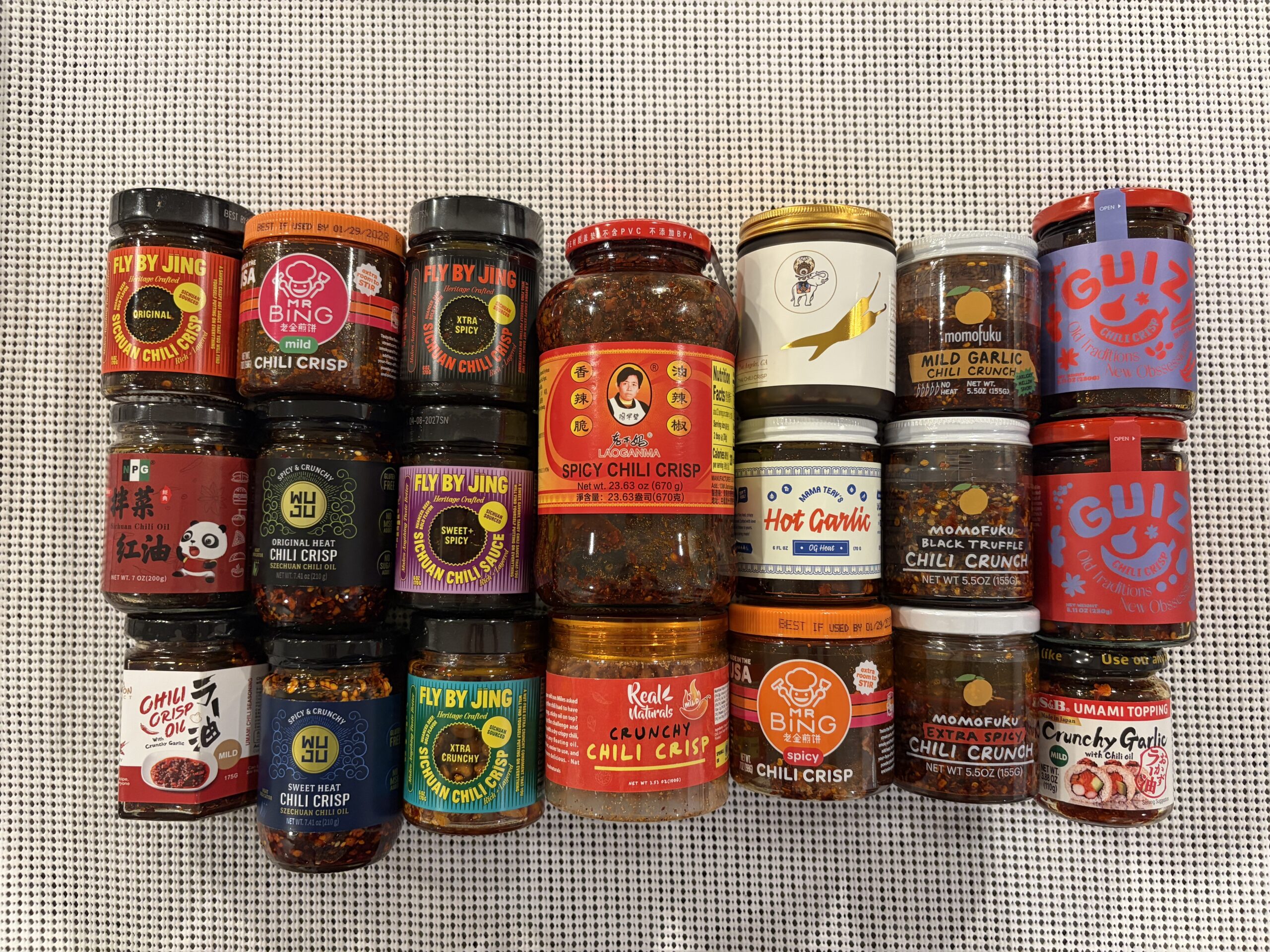
Complete rankings of every chili crisp I’ve tested — sorted by tier, with category picks and affiliate links.
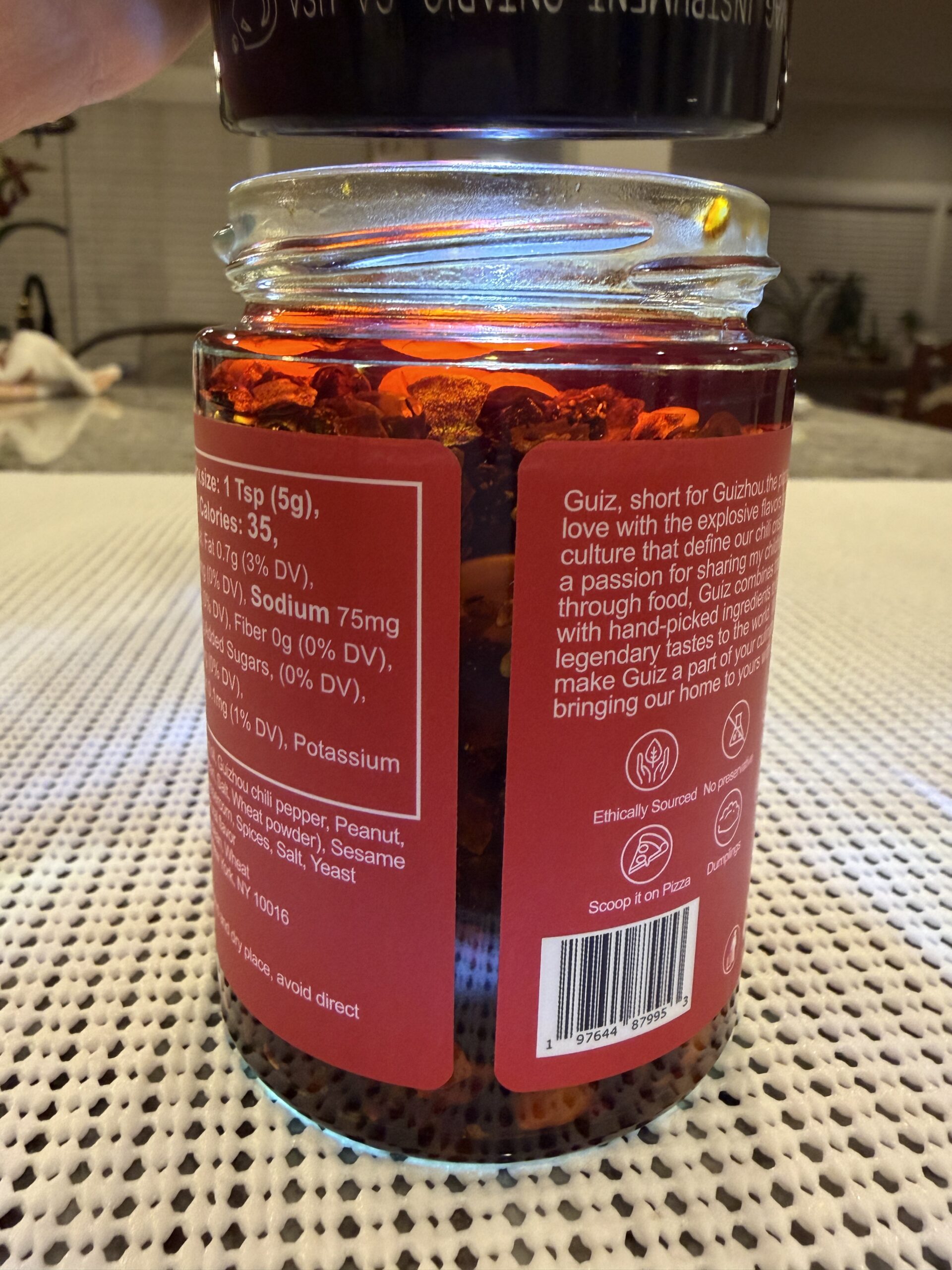
The 3-jar chili crisp starter kit — an everyday jar, a statement jar, and a wildcard. Here’s what to buy first.
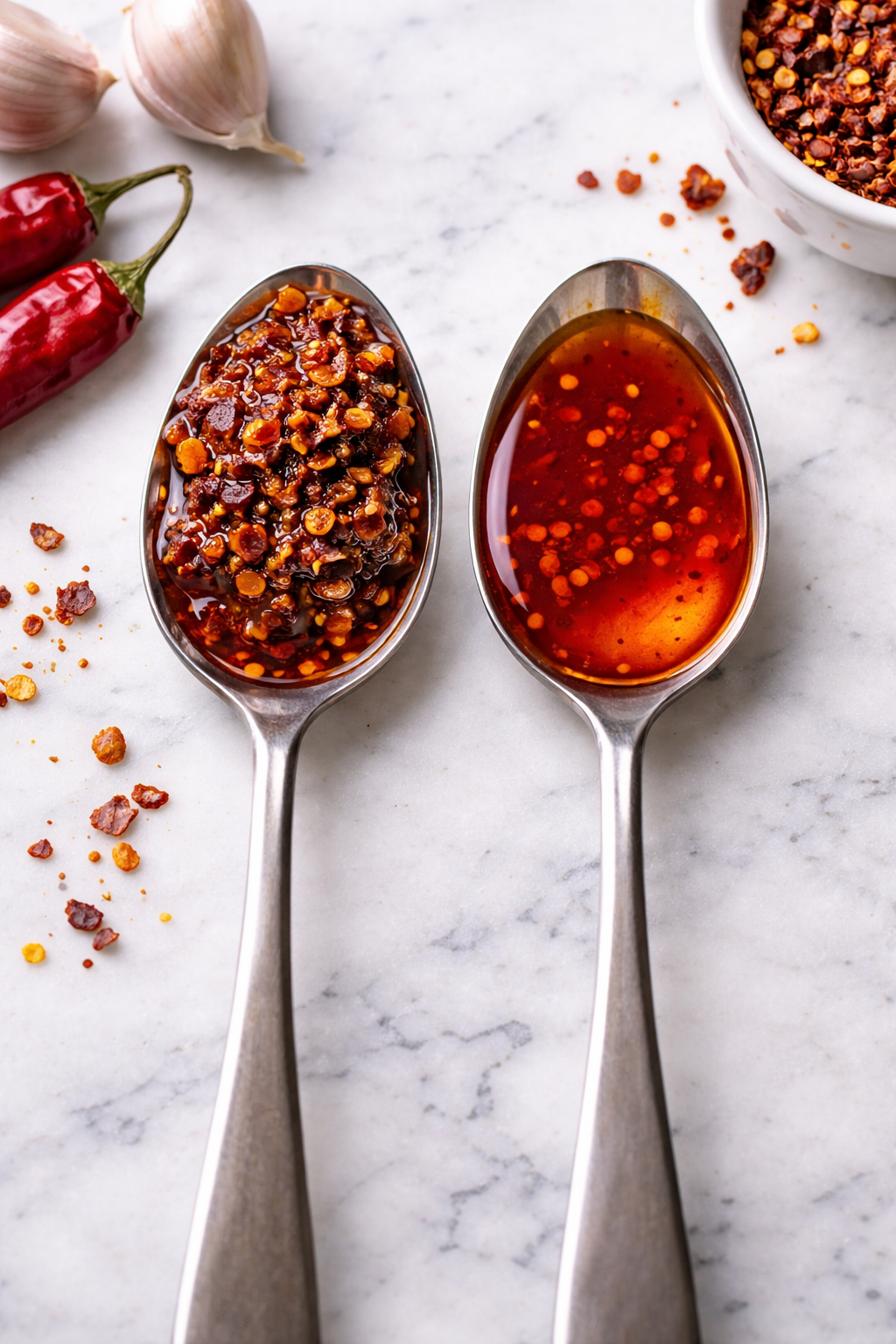
Chili crisp has solids. Chili oil doesn’t. That one difference changes how each product works on food, in cooking, and in your pantry.
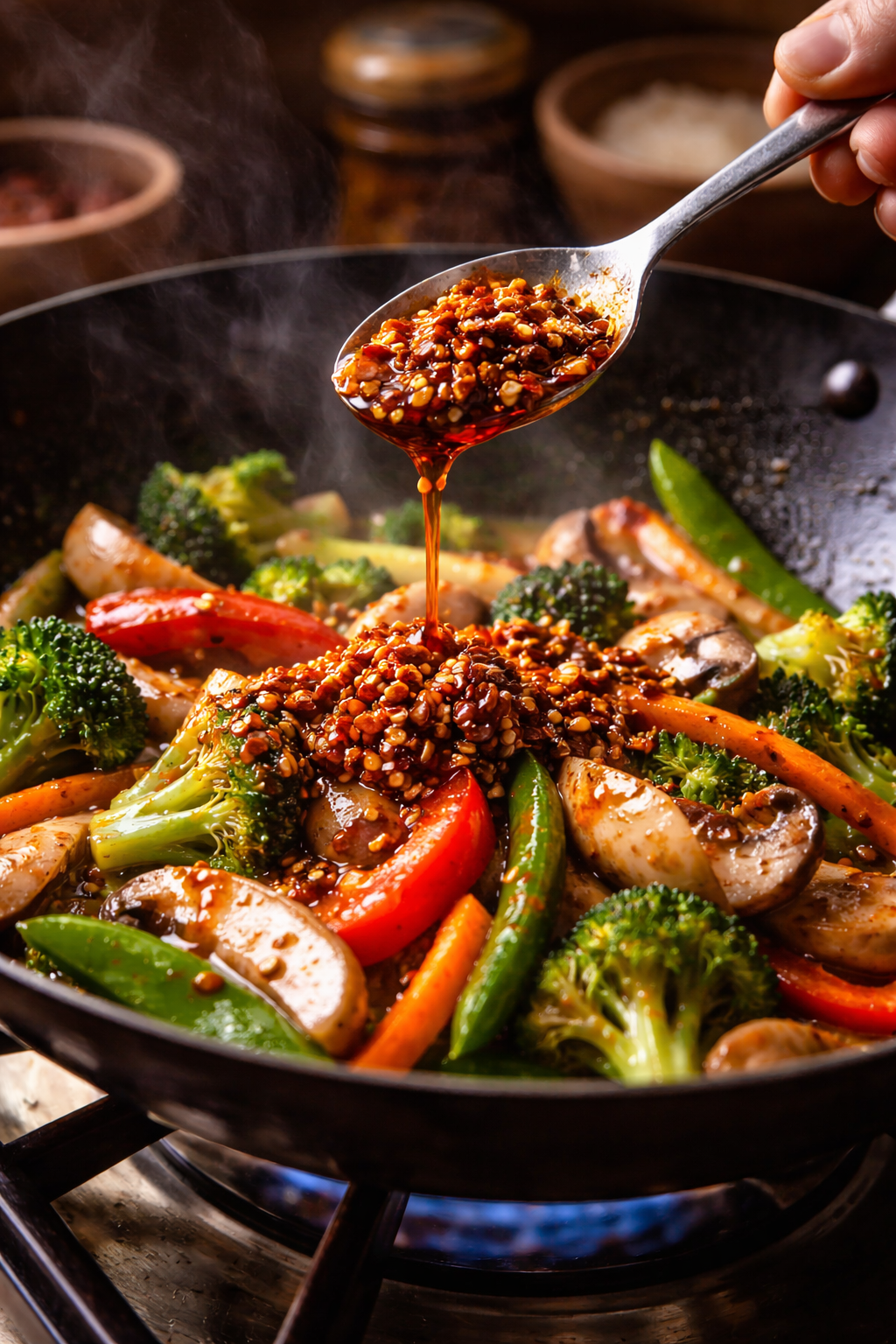
Chili crisp works in cooking, but not the way most people try it. The bits burn fast in a hot pan. Here’s where it works and where to use chili oil instead.