Does Vegan Chili Crisp Exist?
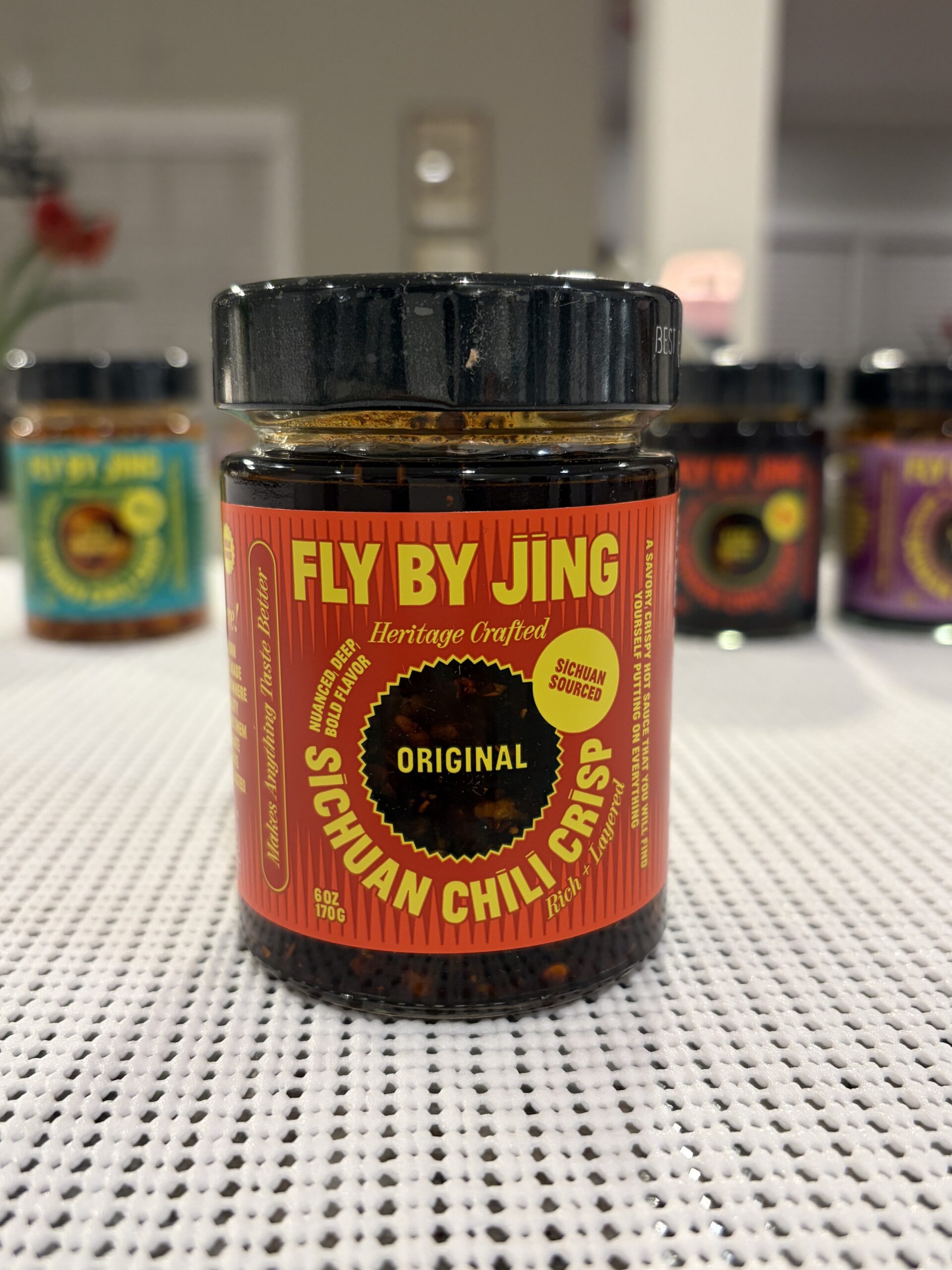
Almost always. The standard chili crisp formula is entirely plant-based. The exceptions — shrimp paste, fish sauce, honey — are niche. Here’s how to check.

 Phil
Almost always. The standard chili crisp formula is entirely plant-based. The exceptions — shrimp paste, fish sauce, honey — are niche. Here’s how to check.
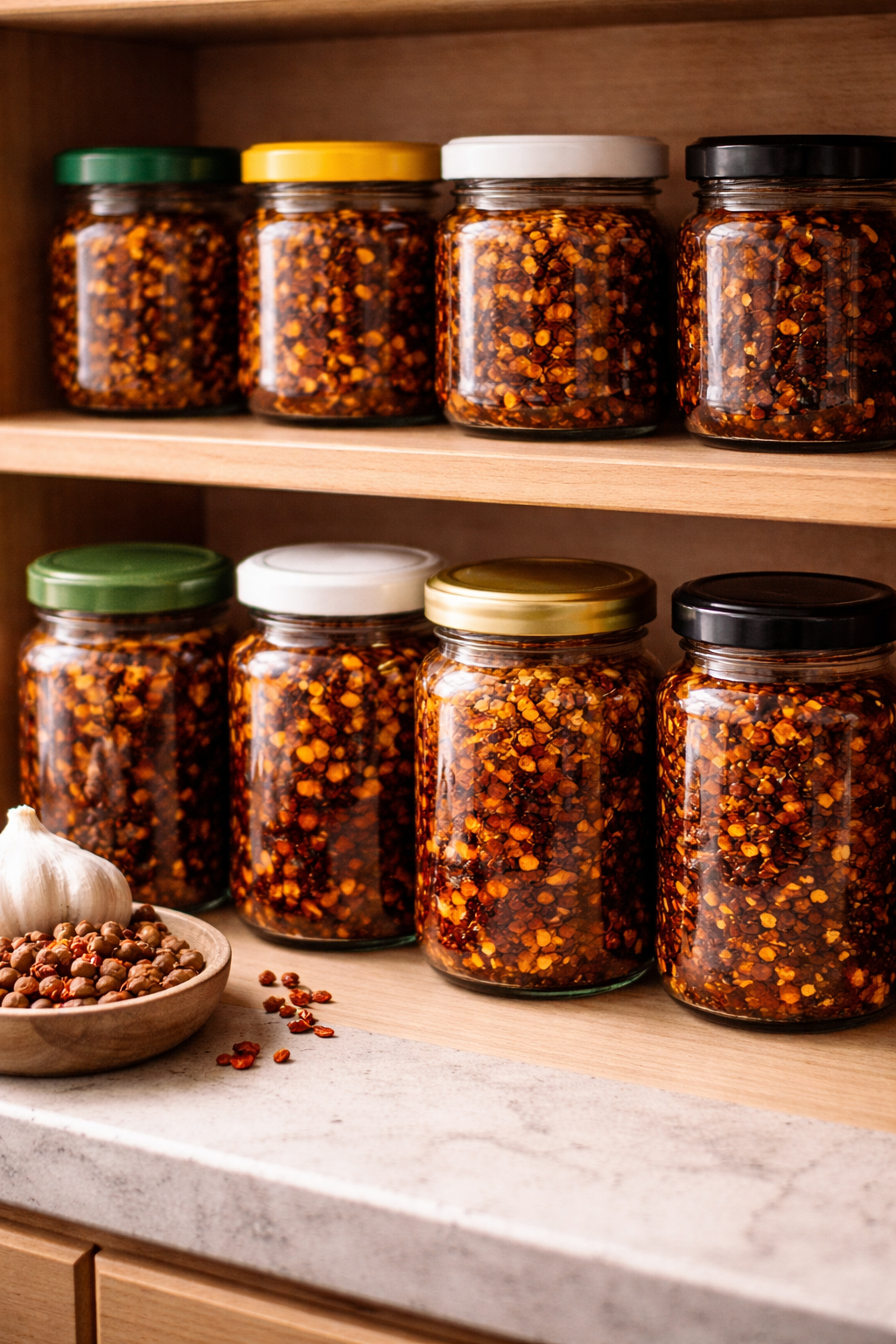
Most commercial chili crisp doesn’t need the fridge — but it depends on the oil, the ingredients, and how fast you go through a jar. Here’s how to decide.
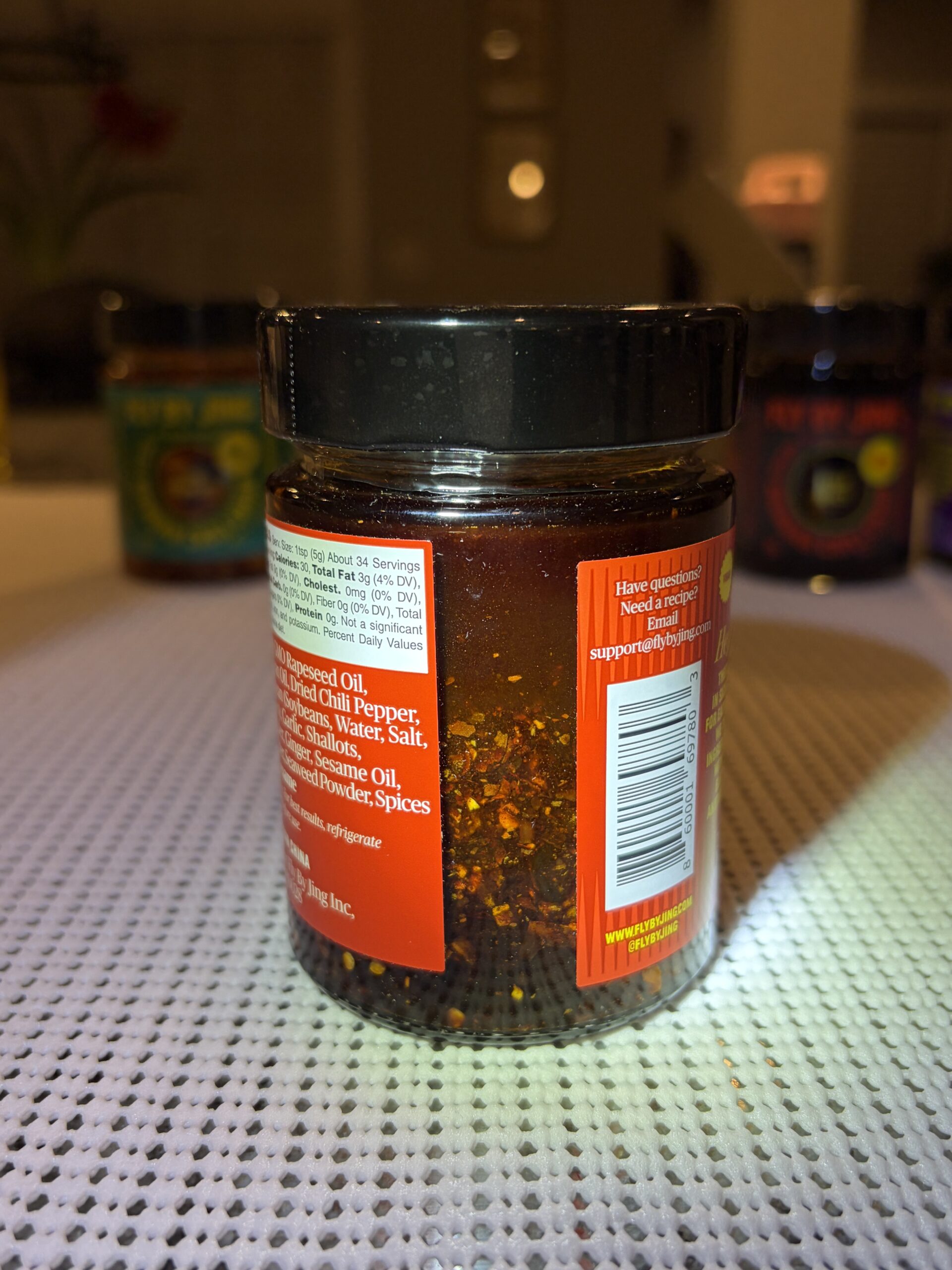
Chili crisp doesn’t spoil like fresh food, but it does degrade. Here’s how to spot rancid oil, when to toss a jar, and what accelerates the decline.
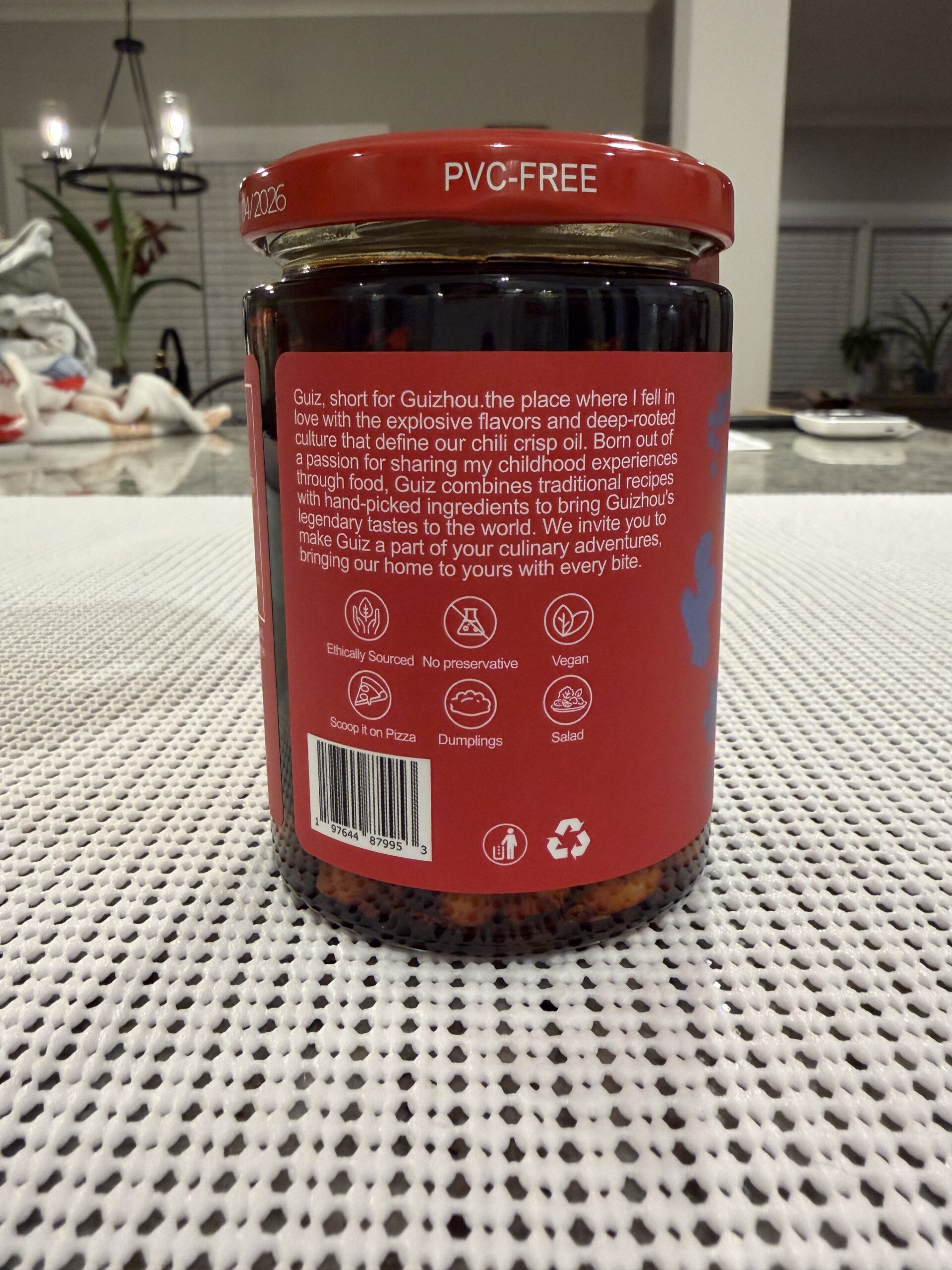
Most chili crisp is gluten free, but soy sauce, fermented bean paste, and cross-contamination mean you need to check every jar. Here’s how.
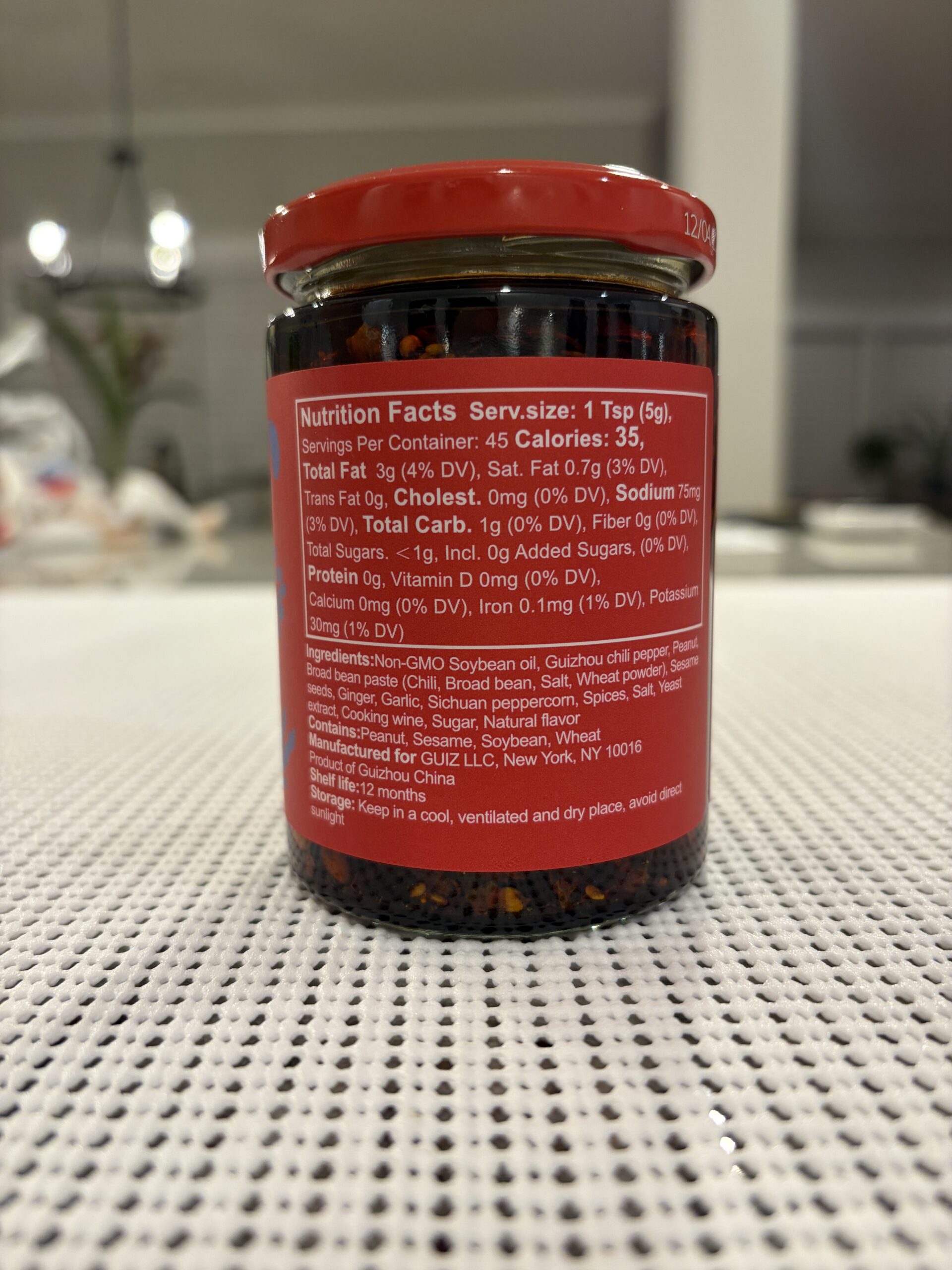
A tablespoon of chili crisp runs 80-200mg sodium depending on the brand. Here’s where it comes from, how serving sizes skew the numbers, and why MSG isn’t the problem.
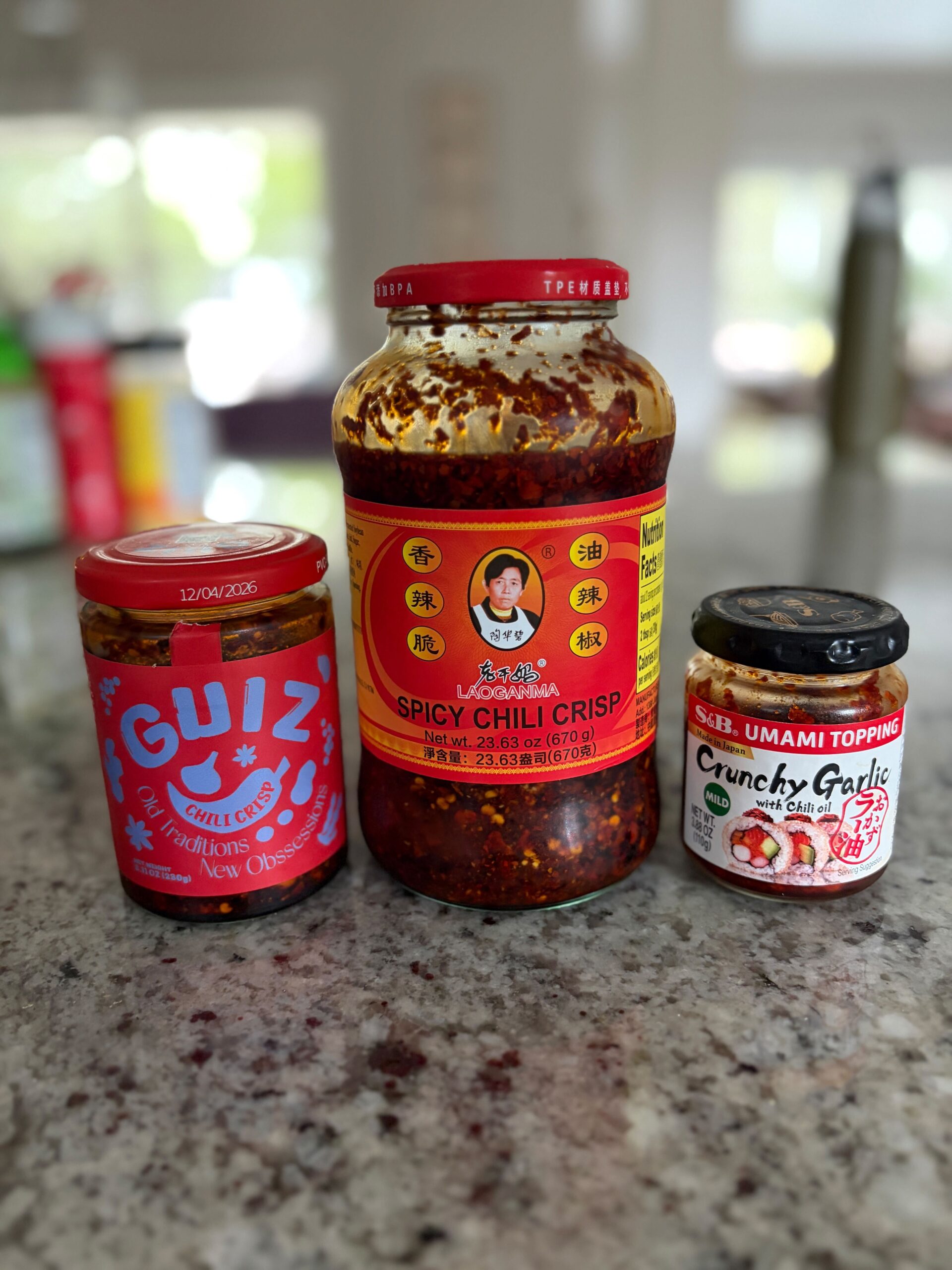
Chili crisp ranges from $0.33 to $2.50 per ounce. The gap comes down to oil type, production scale, distribution model, and brand positioning. Here’s the full breakdown.

S&B Crunchy Garlic with Chili Oil is a dense, garlic-forward Japanese taberu rayu with wet-sand texture, layered MSG umami, and mild heat. GOOD tier.

Momoya’s Rayu Chili Oil with Fried Garlic is a sesame-forward Japanese chili oil with firm fried garlic bits, mild heat, and layered flavor that quietly outperforms its price tag.

Real Naturals removes the oil entirely and gives you just the crunchy bits. The crunch is legit and the concept is clever — but eating it teaches you exactly what oil was doing in every other jar. An AVERAGE chili crisp that works best as a crunch supplement.

Pono Hawaiian’s Premium Island Crunch delivers some of the best crispy bits in the chili crisp game — but aggressive sea salt masks the good flavors underneath. A GOOD jar with outstanding crunch and one clear weakness.