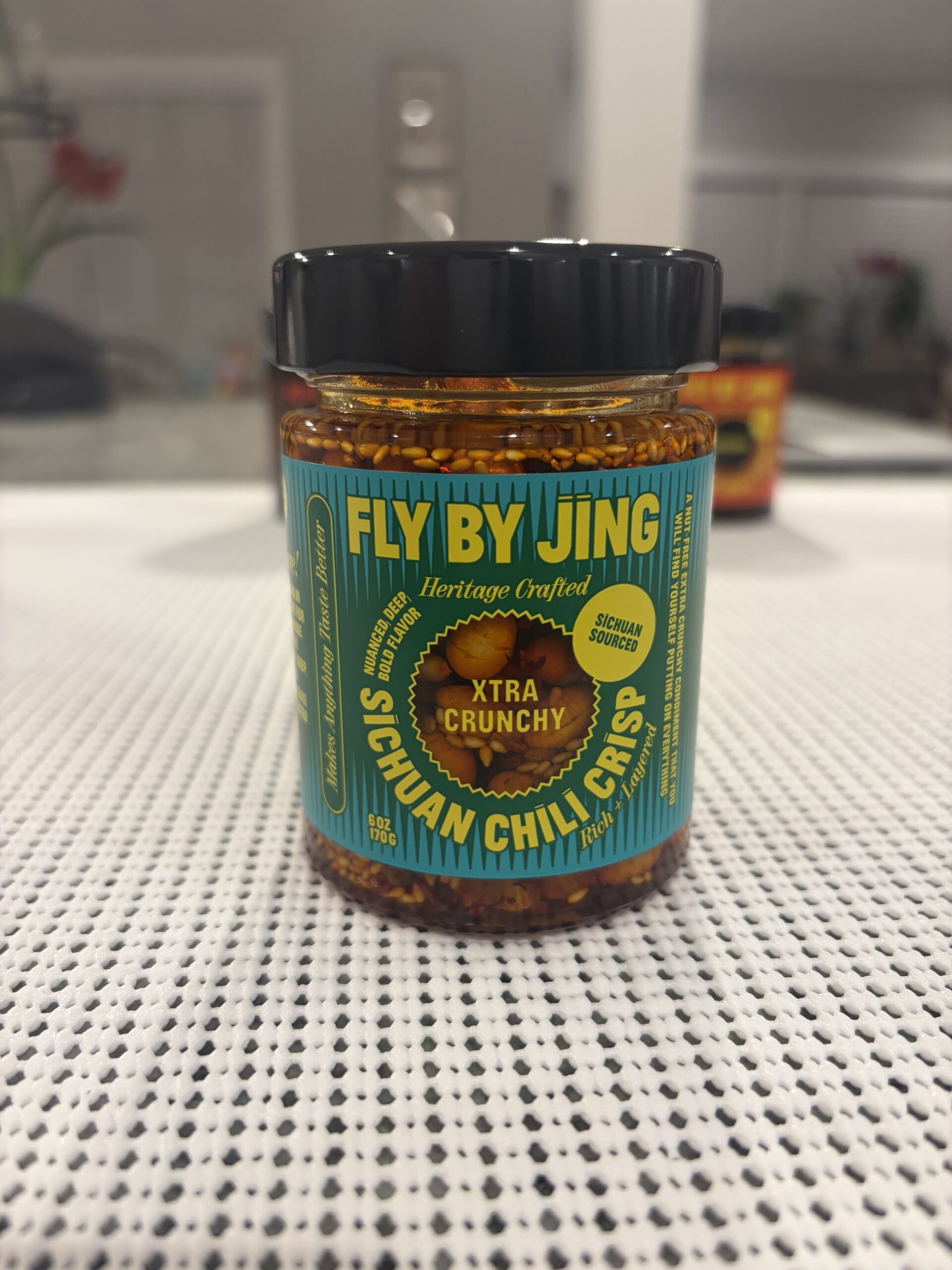
Fly By Jing Xtra Crunchy Chili Crisp Review
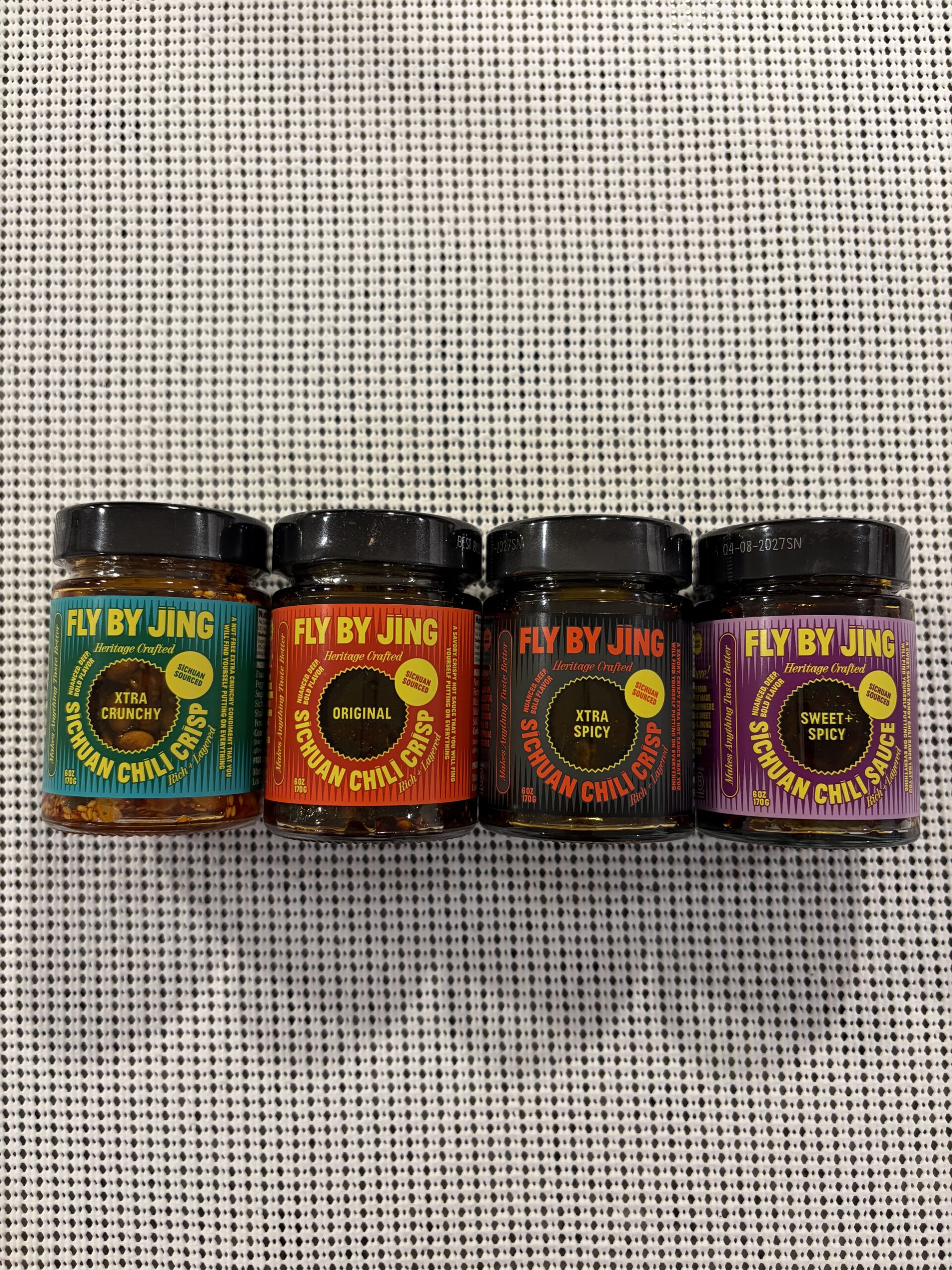
The jar is almost entirely solids — beans, seeds, shallots, chili bits. Less oil than any other FBJ. Here’s whether that trade-off is worth it.
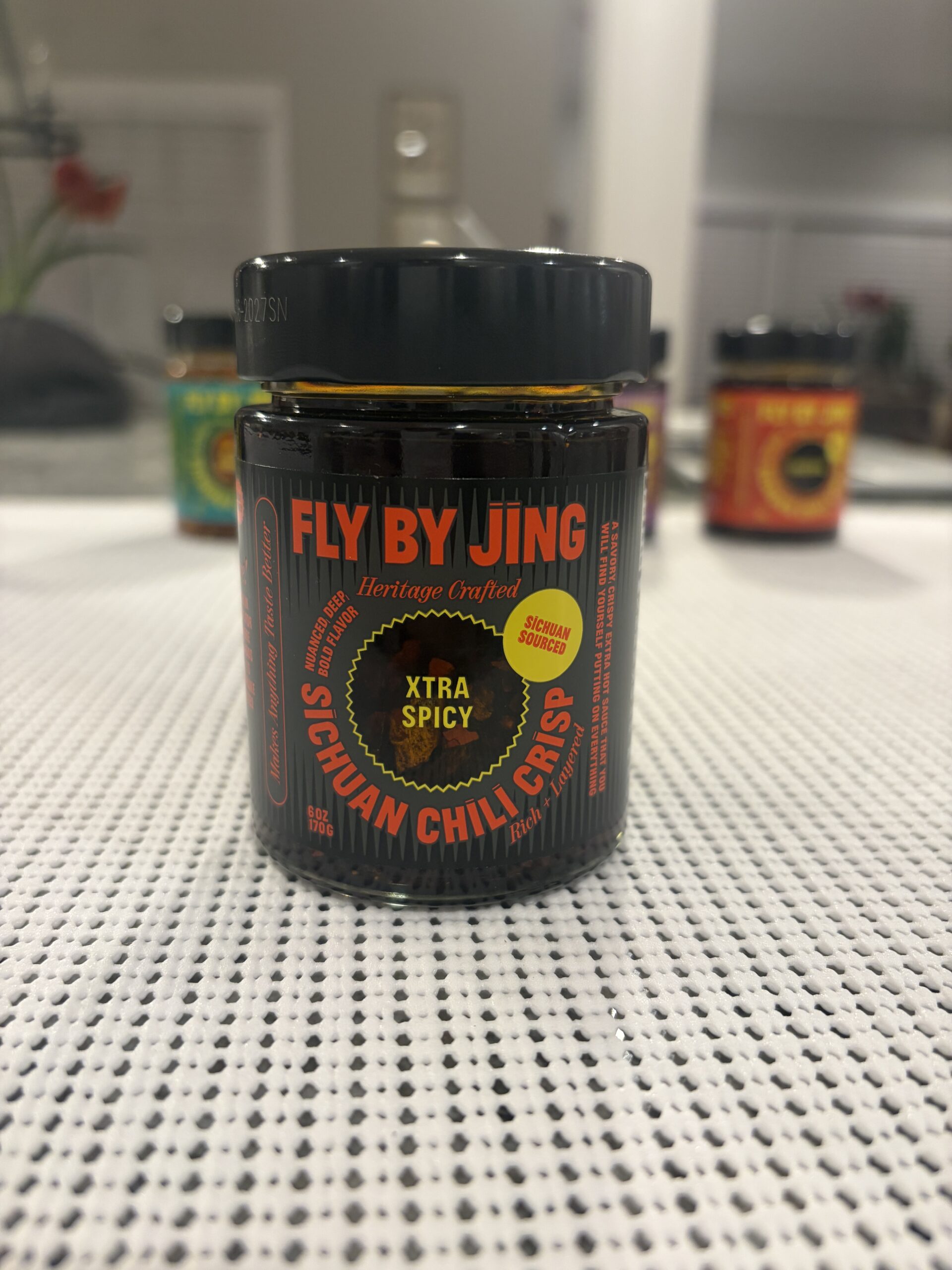
Phil tests Fly By Jing’s Xtra Spicy Sichuan Chili Crisp — a 6 oz jar with Sichuan peppercorn-forward heat that builds and sticks. Honest label read, texture notes, and a verdict on whether the extra heat is worth it.
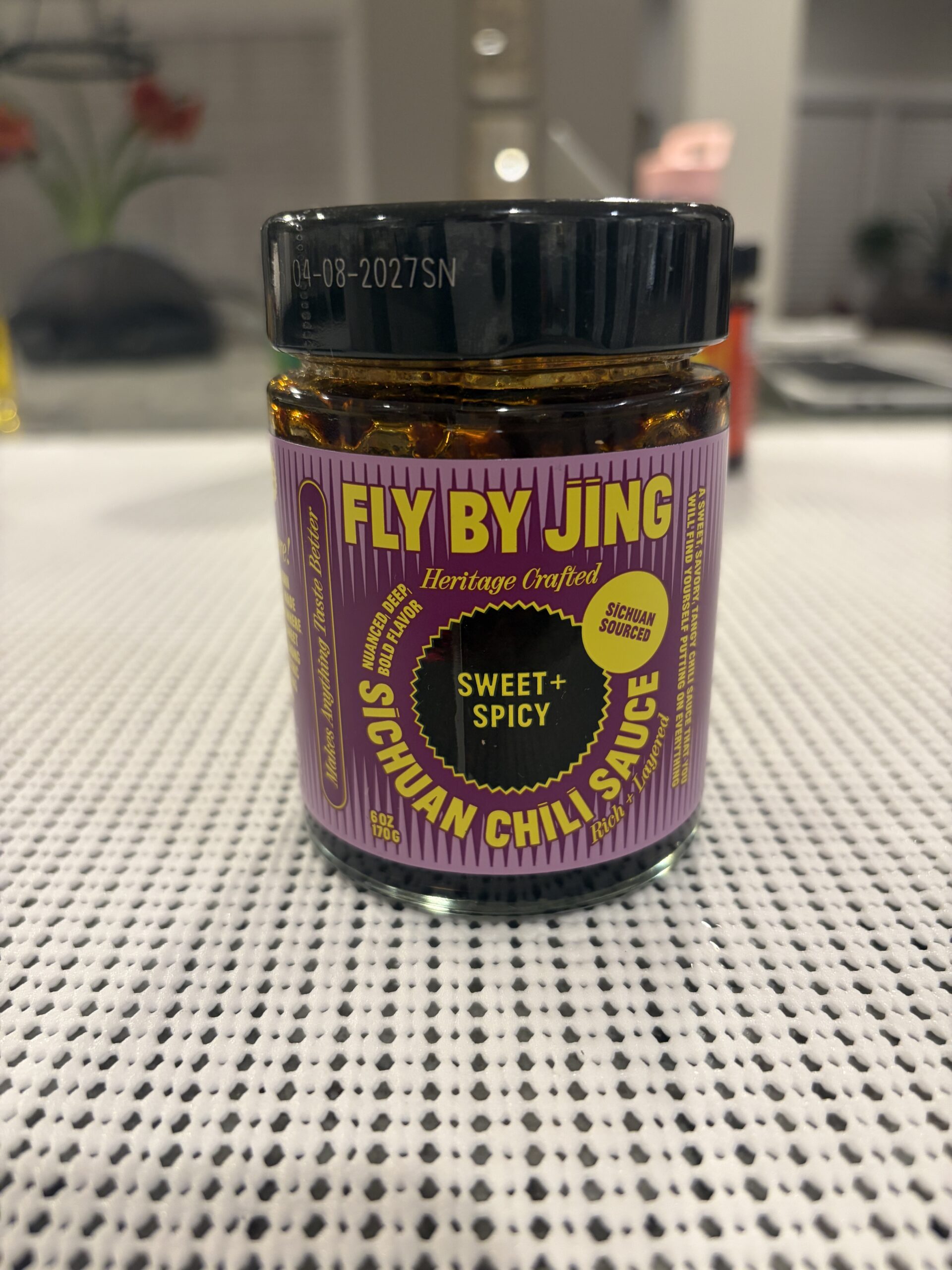
Fly By Jing calls this a chili sauce, not a chili crisp — and the jar delivers exactly that. Thick, syrupy, plum-forward sweet heat with a clean ingredient list. Tier: GOOD.
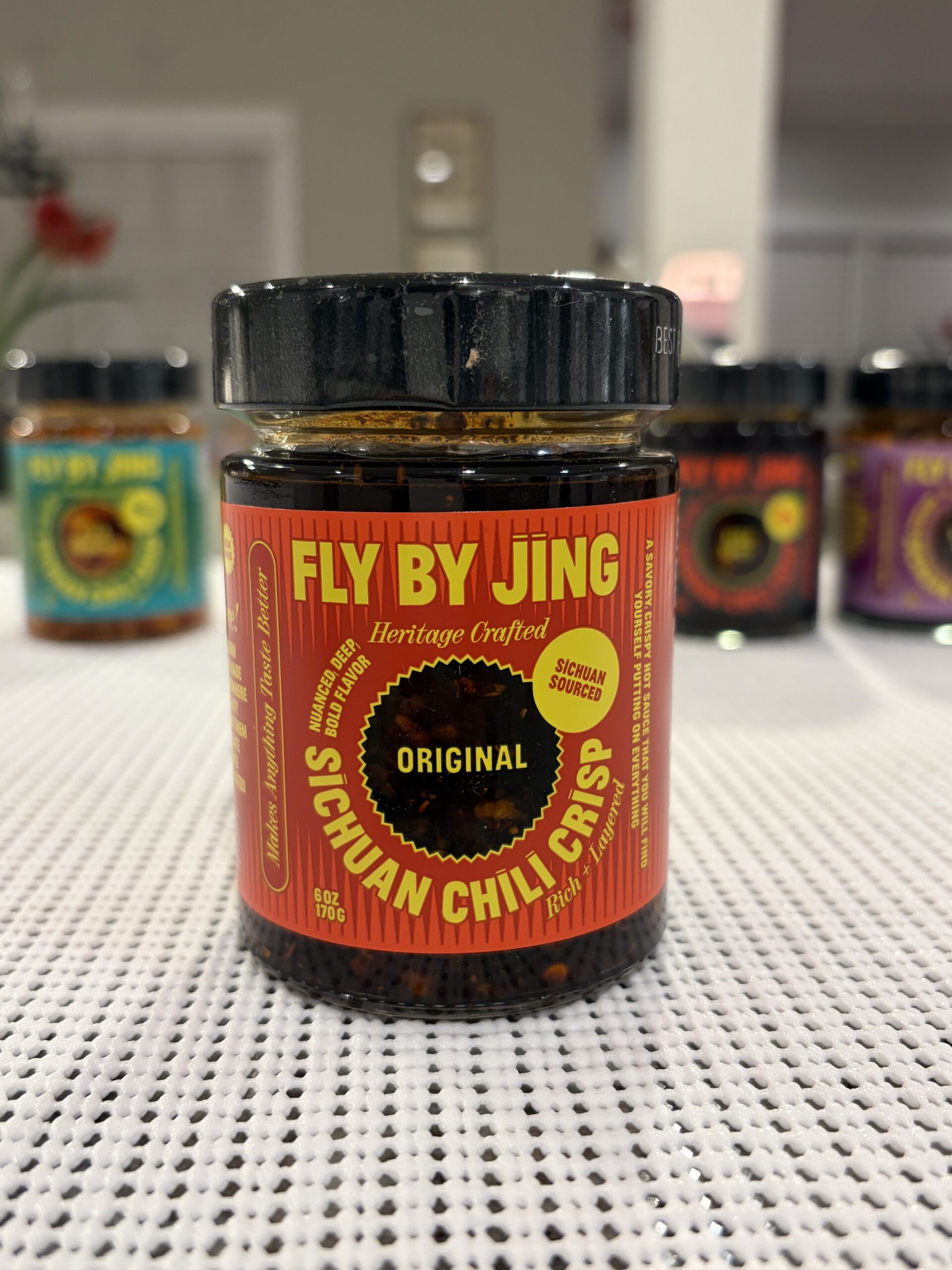
Fly By Jing’s original Sichuan Chili Crisp has the best aroma and flavor complexity I’ve tested. The problem: the solids in the jar aren’t the crispy kind. An honest ingredient-first look at what you’re actually buying.
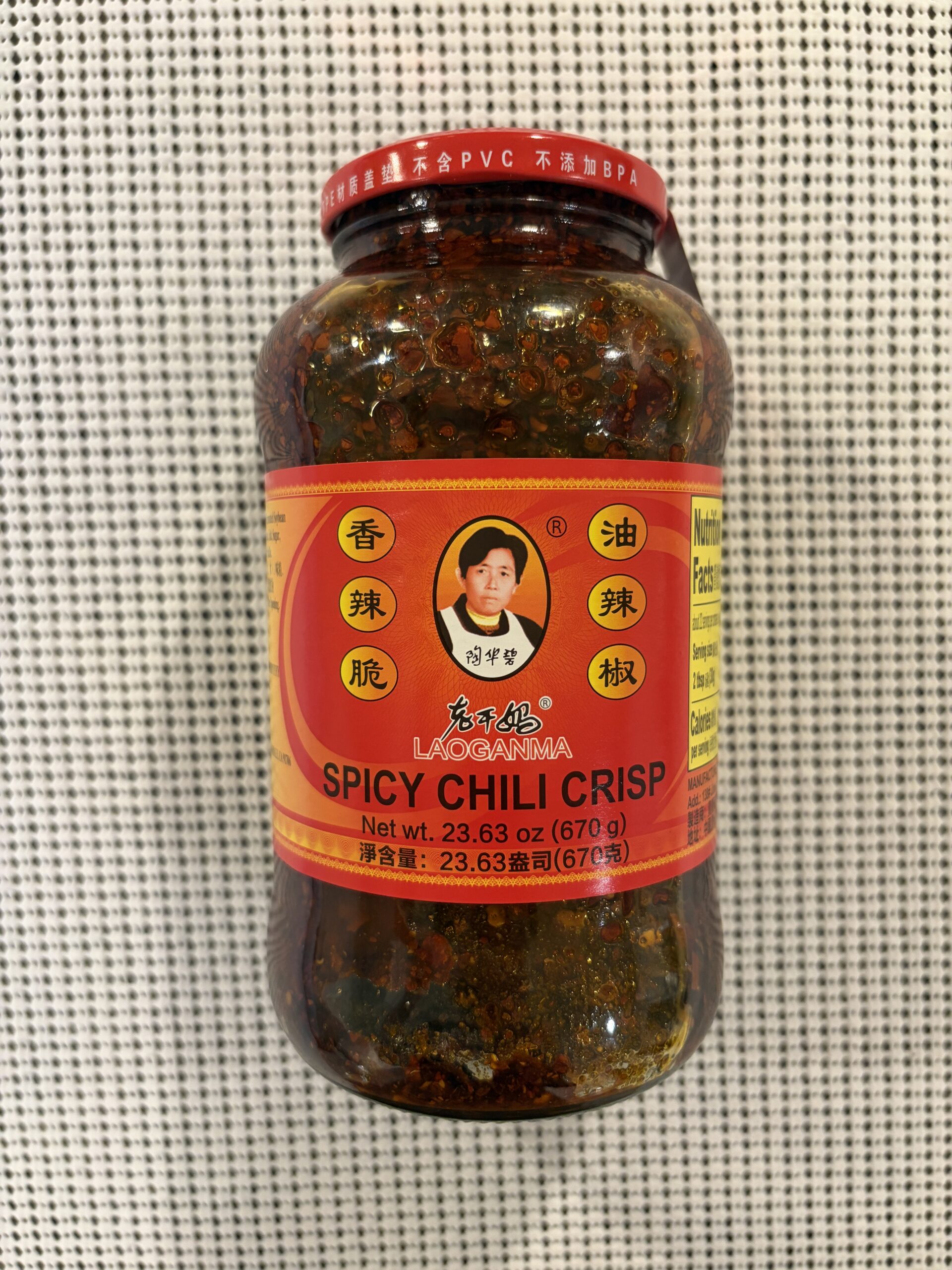
The Lao Gan Ma Spicy Chili Crisp review that sets the benchmark. Ingredient breakdown, tasting notes, and an honest tier from Flavor Index Lab.
There’s no single chili crisp. Sichuan, Japanese, Calabrian, Korean, fusion — each style has a distinct character. Here’s how to read them, what makes each one different, and which to reach for when.
The method behind the jar matters more than most people realize. Here’s how chili crisp is made — and how pour-over vs. simmer production signals quality before you even open it.
Not all chili crisp heat is the same. Here’s how to identify the types of heat in chili crisp — Sichuan tingle, front-load burn, and slow-build — and what each one means for how a product tastes.
MSG, sugar, salt, star anise, mushroom powder, fermented black beans — the seasonings behind chili crisp do more work than most people realize. Here’s what each one does and when to worry about it.
The crispy bits define the entire chili crisp experience. Here’s what quality bits look like, what filler looks like, and how to tell the difference before you open the jar.