What to Eat with Chili Crisp: Field Guide
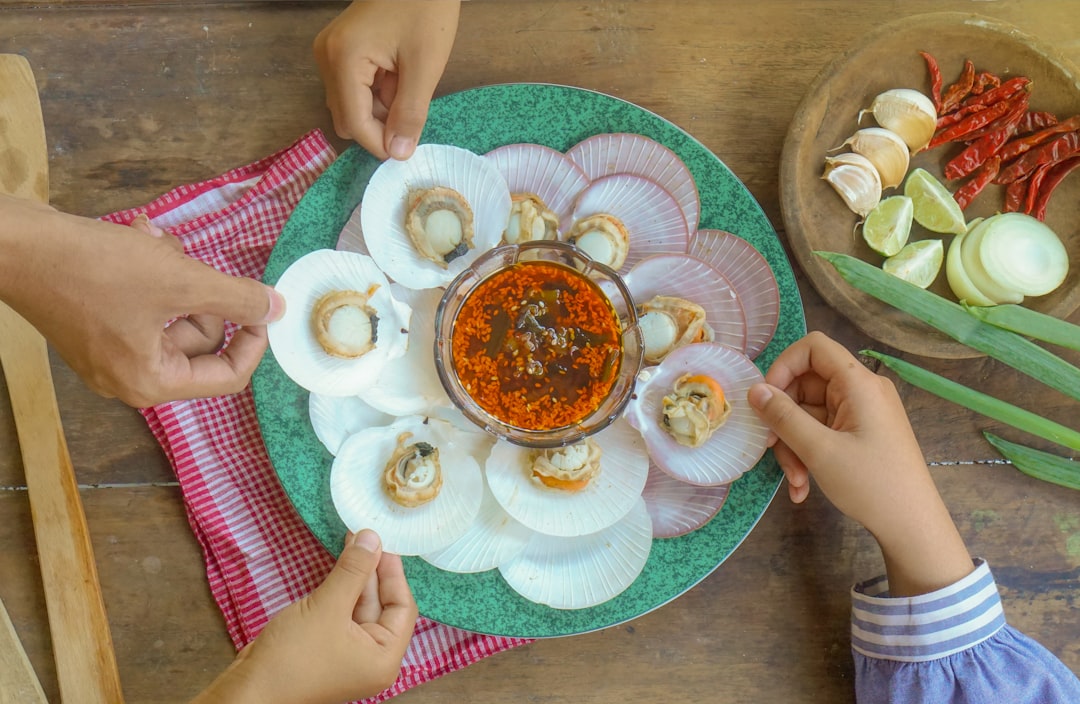
Every food that’s better with chili crisp — from eggs to brisket. Tested pairings, specific jar recommendations, and the ones that don’t work.

Foundation posts and educational content — what it is, how it works, how it’s made.
Every food that’s better with chili crisp — from eggs to brisket. Tested pairings, specific jar recommendations, and the ones that don’t work.
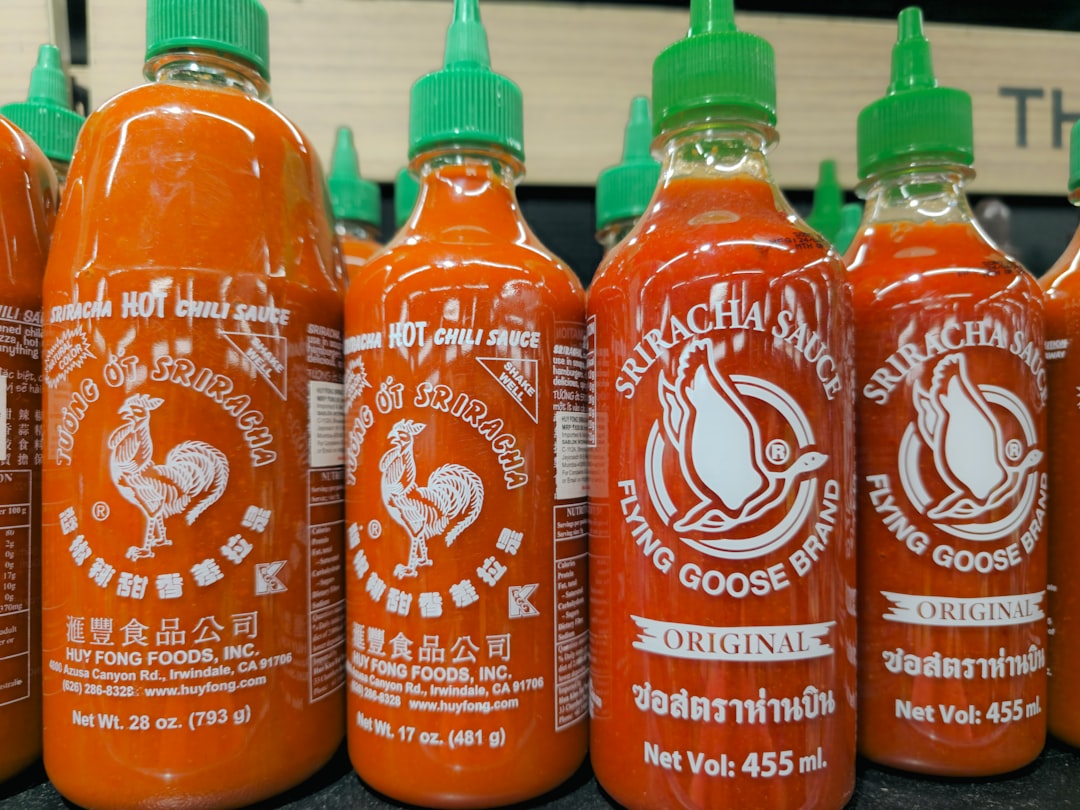
Sriracha was your first step. Here’s the honest map to everything that comes after — chili crisp, gochujang, sambal, salsa macha, and when to reach for each one.
A food-obsessed home cook’s honest guide to the condiments worth keeping. From BBQ finishing sauces to the chili crisp revelation — no filler, no ketchup.
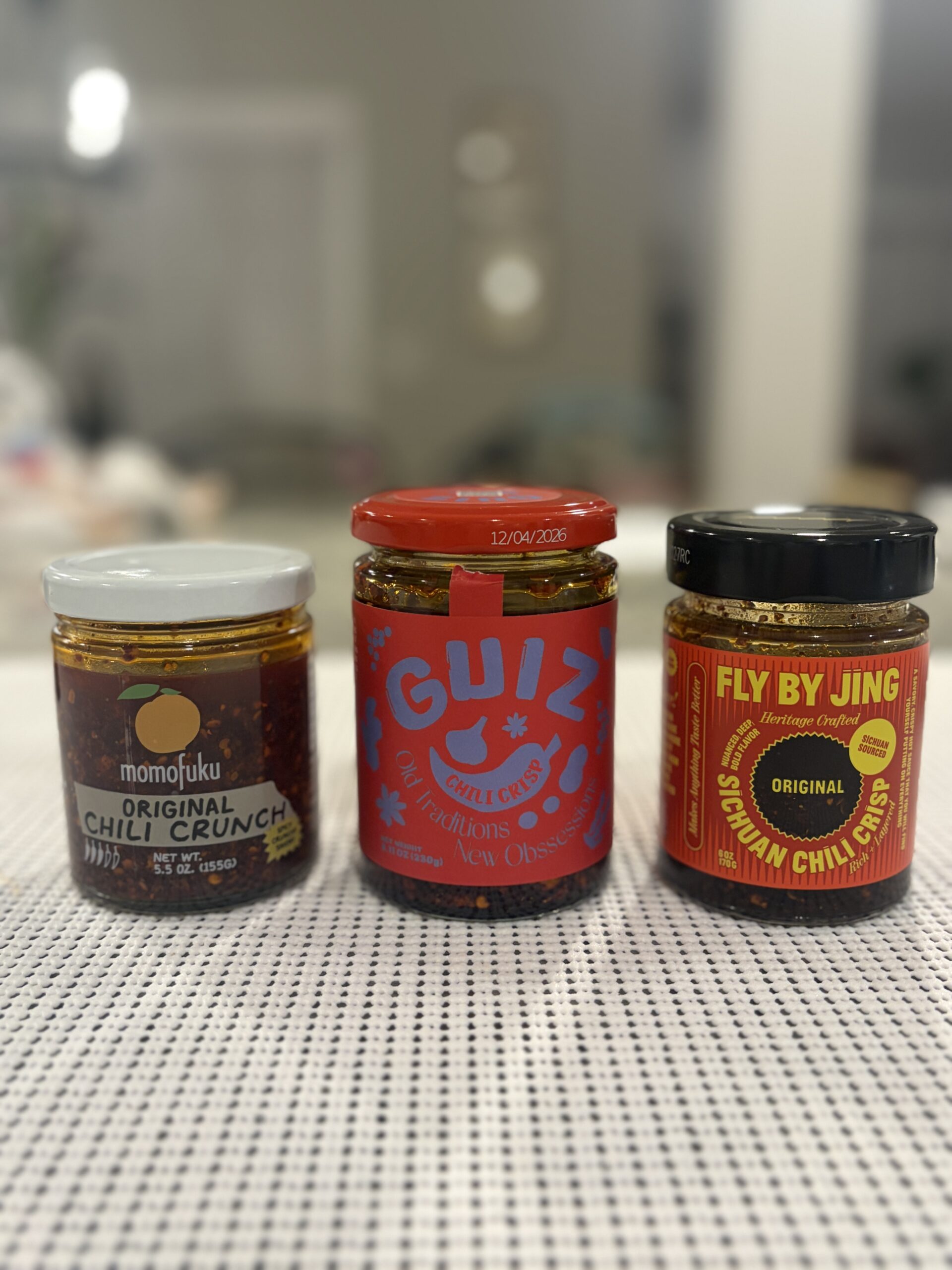
We analyzed the chili crisp ingredients on 25 labels and mapped what separates great jars from average ones. Oil types, filler signals, complexity markers, and red flags — all backed by testing data.
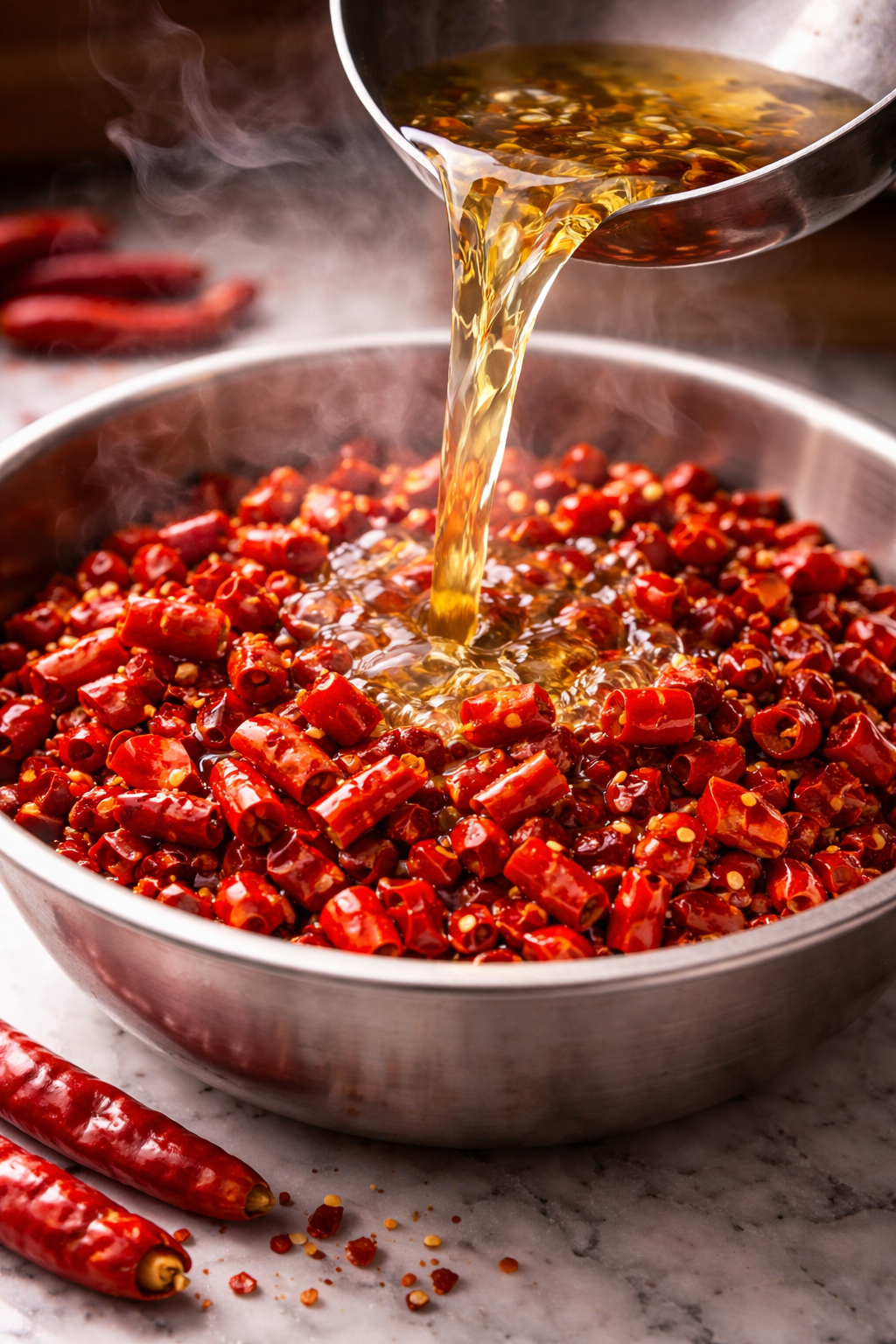
After testing 25+ commercial chili crisps, here’s when a jar beats your kitchen — and when homemade wins. A decision framework, not a recipe.
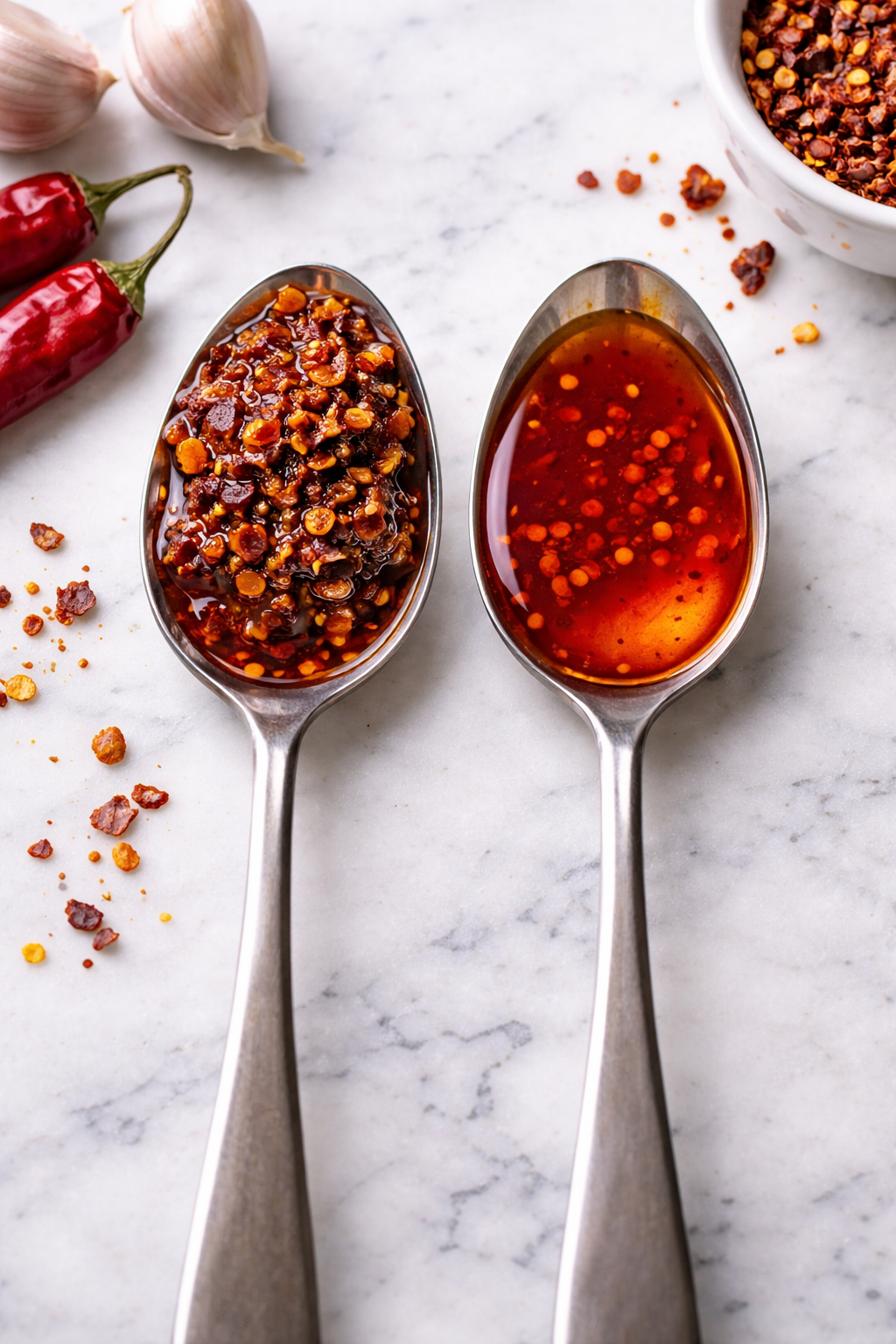
Chili crisp has solids. Chili oil doesn’t. That one difference changes how each product works on food, in cooking, and in your pantry.
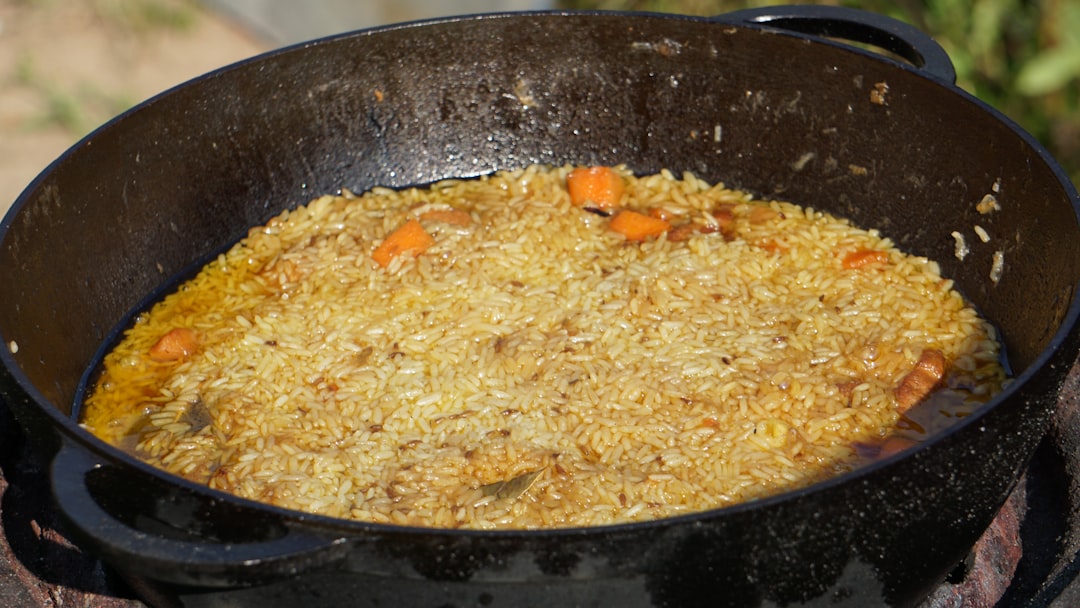
Chili crisp works in cooking, but not the way most people try it. The bits burn fast in a hot pan. Here’s where it works and where to use chili oil instead.
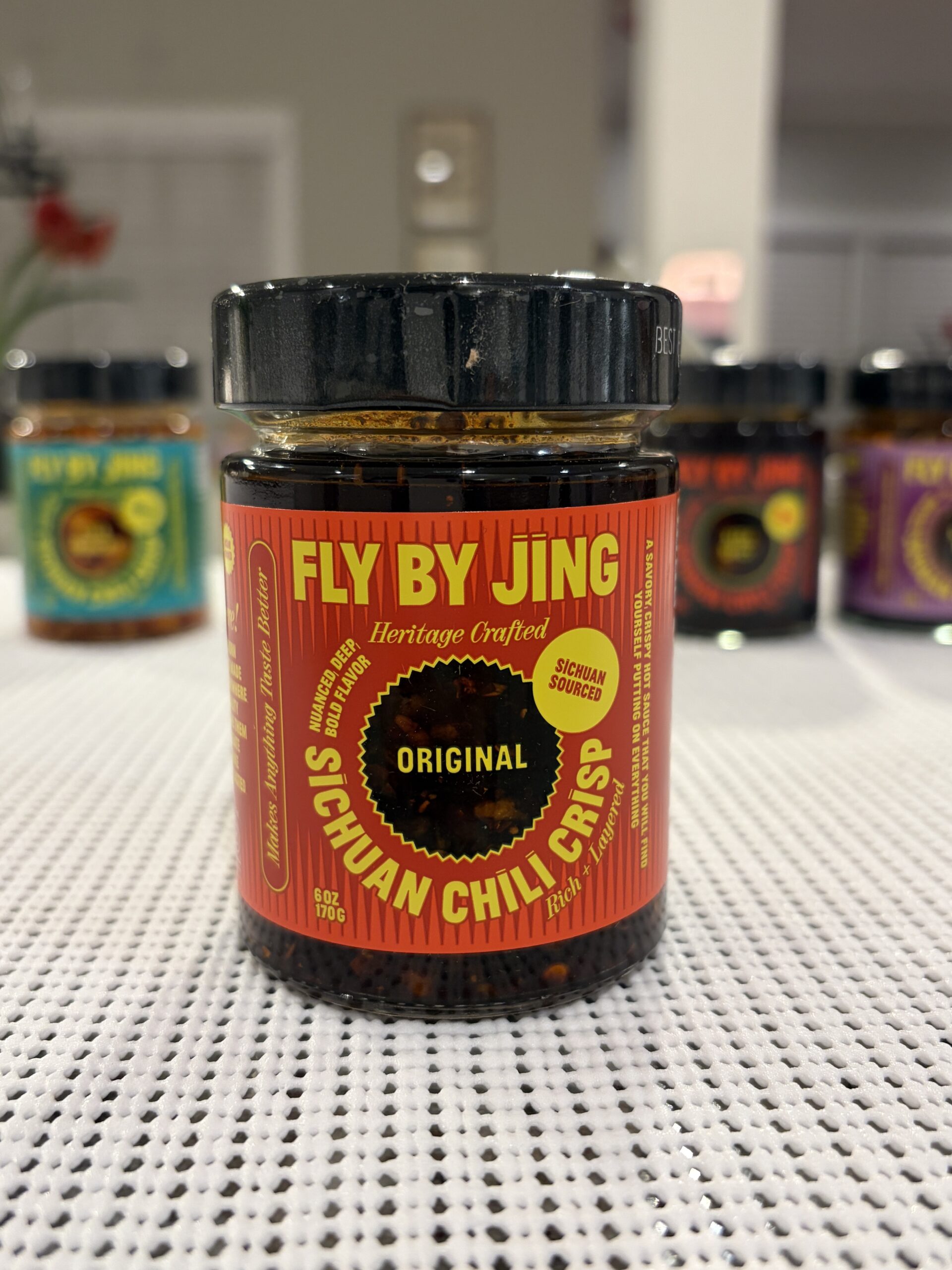
Almost always. The standard chili crisp formula is entirely plant-based. The exceptions — shrimp paste, fish sauce, honey — are niche. Here’s how to check.
Most commercial chili crisp doesn’t need the fridge — but it depends on the oil, the ingredients, and how fast you go through a jar. Here’s how to decide.
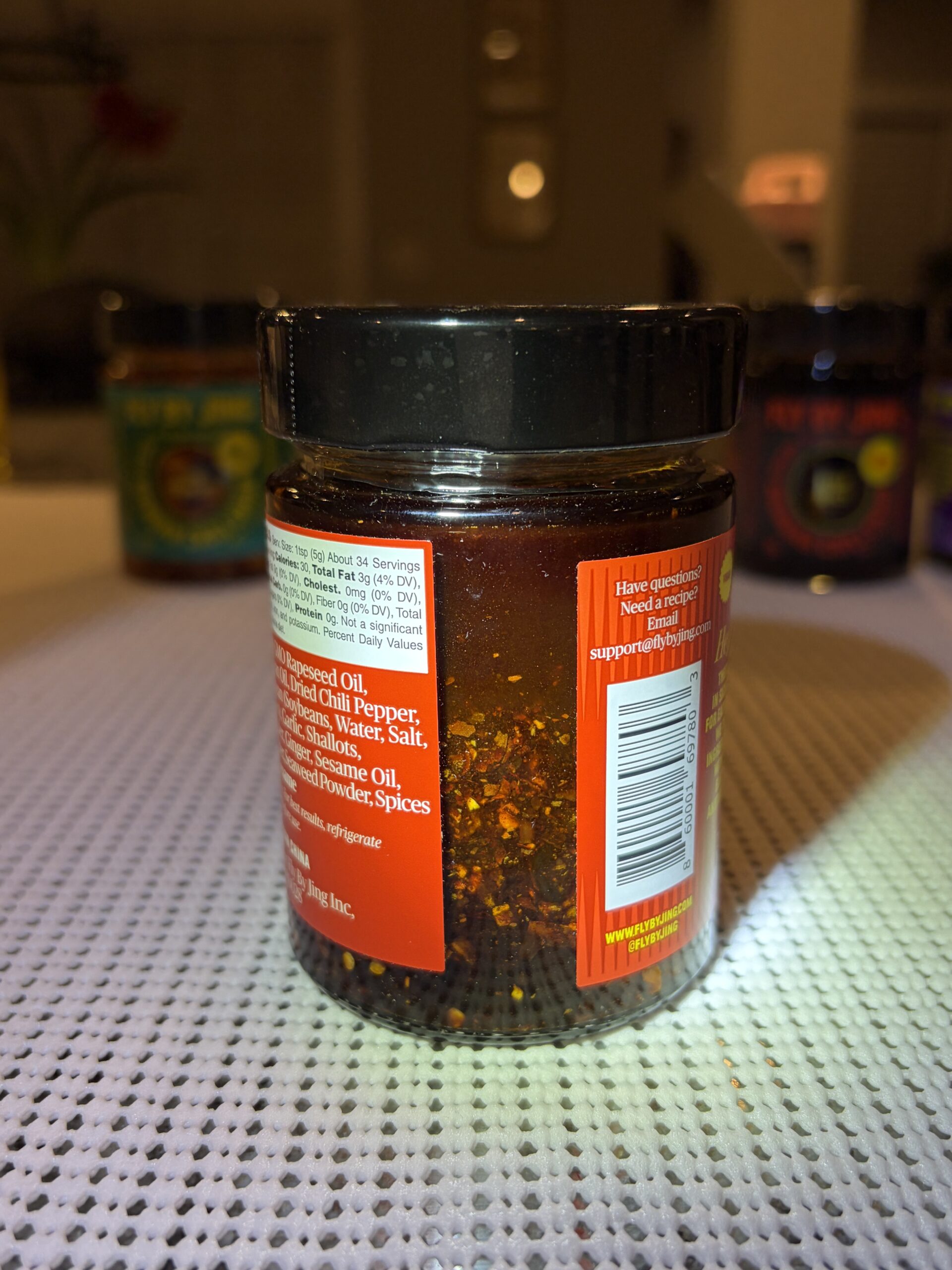
Chili crisp doesn’t spoil like fresh food, but it does degrade. Here’s how to spot rancid oil, when to toss a jar, and what accelerates the decline.