
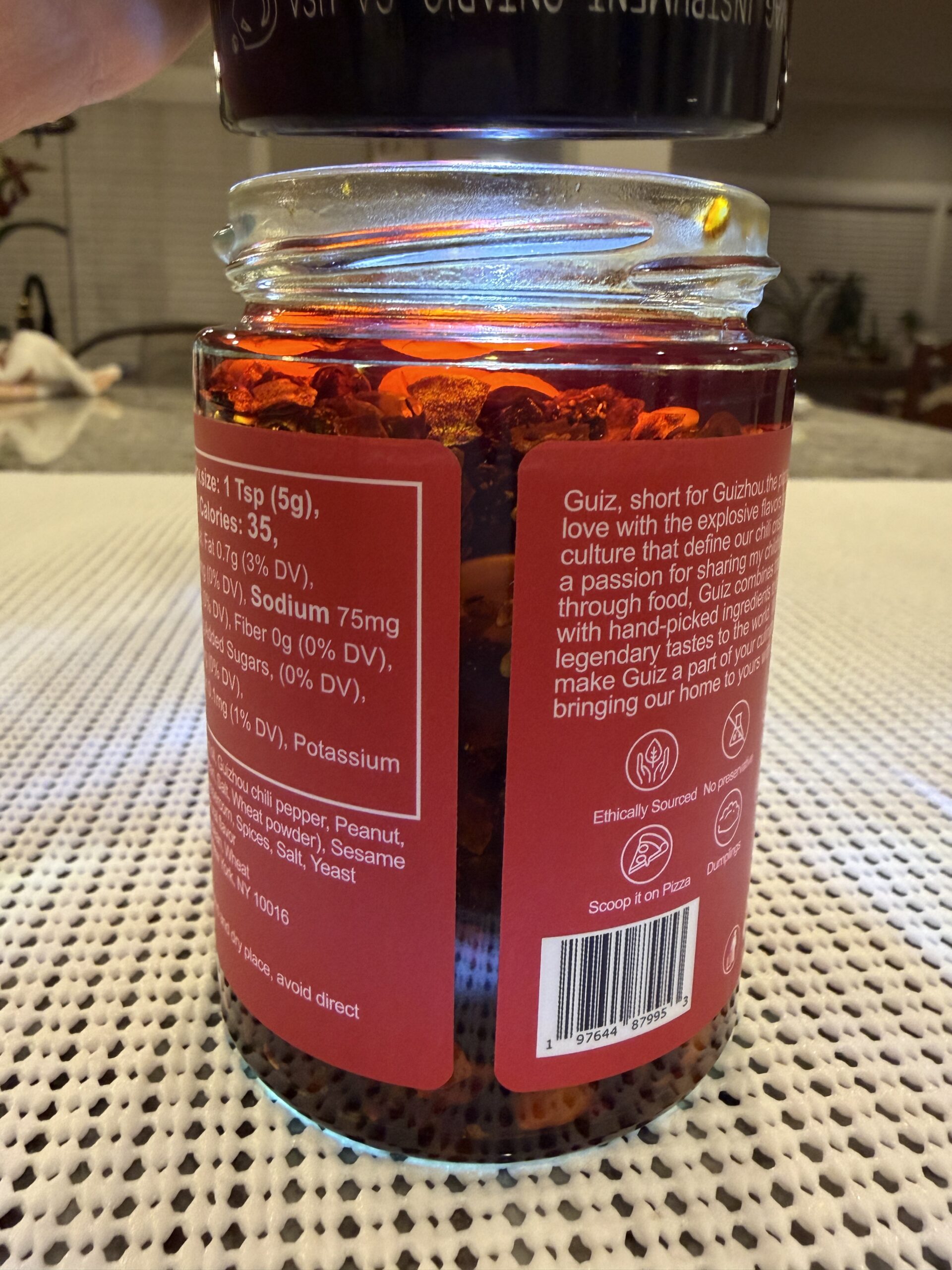
One of the more common misconceptions about chili crisp is that there’s one thing called “chili crisp” and the only question is which brand makes it best. There are actually several distinct types of chili crisp — different regional styles with different flavor logic, different oils, different chili bases, different heat profiles, and different food pairings that make sense for each one.
The style tag I put on every FIL review isn’t decoration. It’s a quick orientation to what you’re buying. This post maps the major types of chili crisp — where they come from, what makes each one distinct, and how to use that information when you’re choosing a jar.
Sichuan / Chinese — The Original
Sichuan / ChineseEverything else in this post is a variation on or response to this style. Sichuan chili crisp is the source. It developed in southwestern China and carries the defining flavor signature of Sichuan cooking: mala (麻辣) — the combination of numbing tingle from Sichuan peppercorn and heat from dried chilies. Those two sensations don’t stack. They interact. The peppercorn blunts the edge of the heat; the heat pushes back against the numbness. The result is a flavor experience with no real analog in other condiment traditions.
Base oil is typically soybean or canola — neutral carriers that let the aromatics dominate. Dried erjingtiao and chaotianjiao chilies are common. Doubanjiang (fermented broad bean paste) frequently appears as a depth builder. Crispy bits lean toward fried garlic, shallot, and soybeans.
This is the high-benchmark style. The most reviewed, most referenced, most widely available globally. Lao Gan Ma is Sichuan style. So is Fly By Jing. When someone says “chili crisp” without qualification, this is almost certainly what they mean.
Japanese — Taberu Rayu
JapaneseJapanese chili crisp has a specific origin point: S&B Foods launched taberu rayu (食べるラー油 — “eating chili oil”) in 2009, and it became a phenomenon in Japan almost immediately. The concept was an adaptation of Chinese chili oil for direct condiment use — something you spoon onto food rather than cook with. The name says it: eating oil, not cooking oil.
The adaptation involved significant reformulation. Japanese taberu rayu typically uses lighter neutral oils — sometimes sesame-forward blends. Milder chilies. Umami amplifiers that pull from Japanese rather than Chinese tradition: fried onion, sesame seeds, and sometimes dried seafood (shrimp, anchovy). The heat is noticeably lower than Sichuan style. The overall character is softer, more savory, with umami doing more of the heavy lifting than heat.
This style gets confused with Sichuan style constantly, especially in Western markets where the category is newer. The visual similarity (oil, red bits, jar) overshadows the flavor differences. They’re not the same condiment.
“Rayu” (ラー油) is the Japanese rendering of the Chinese “la you” (辣油) — both mean chili oil. The “taberu” prefix distinguishes the eating/condiment version from the cooking version. Some Japanese products just say rayu on the label. If there are visible solids and it’s meant to be spooned, it’s functionally chili crisp regardless of what the label calls it.
Calabrian / Italian — The One Nobody Talks About Enough
Calabrian / ItalianCalabrian chili crisp doesn’t get the attention it deserves. It’s the style most different from the others, the one with the most distinct flavor profile, and — not coincidentally — the one that opens up the widest range of new food pairings. People focus on Sichuan and Japanese because those are the reference points. Calabrian is the quiet outlier that rewards anyone who looks for it.
The defining difference is the oil. Calabrian-style uses extra virgin olive oil as its base — not neutral soybean or canola. That single choice changes everything. The oil isn’t a background carrier anymore. It’s a co-ingredient with its own weight, fruitiness, and grassy depth. The chilies are Calabrian peperoncino from the toe of Italy’s boot — fruity, savory, medium heat without the numbing quality of mala. Garlic is often present. Oregano in some versions.
The resulting flavor is Mediterranean in a way that the other styles simply aren’t. Bright rather than deep. Fruity and savory rather than roasted and smoky. A heat that sits cleanly on the palate and finishes without lingering burn. When I reach for this style, it’s because I want something that adds dimension without redirecting the dish toward Asia. Pizza. Pasta. Eggs. Cheese boards. Grilled fish. These all make more sense with Calabrian than they do with Sichuan, not because Sichuan is worse but because the flavor logic is better-matched.
The commercial landscape for this style is thinner than it should be. Tutto Calabria makes the most recognized version available in the US. There are a handful of small Italian producers. It’s worth tracking down.
Korean — Gochugaru-Based
KoreanKorean-style chili crisp builds on gochugaru — the coarse, mildly fruity Korean red pepper flake that defines kimchi, tteokbokki, and a large portion of Korean cooking. Gochugaru heat is different from Sichuan dried chili heat: lower ceiling, sweeter mid-note, and a color that turns the oil a deep brick red rather than the burnt orange of Sichuan-style.
Toasted sesame oil often appears in the base. Sesame seeds in the solids. The flavor profile lands in sweet-spicy territory — less fermented depth than Sichuan, less umami-forward than Japanese. It’s the most accessible of the regional styles for people who find Sichuan mala heat too aggressive or the numbing sensation unfamiliar.
Korean chili crisp often gets mislabeled in Western markets as “Korean chili oil” or conflated with gochujang (a different product entirely — gochujang is a fermented chili paste, not an oil-based condiment). The category is legitimate, the flavor is distinct, and it earns its own shelf space.
Fusion — A Real Category, Not a Cop-Out
Fusion“Fusion” as a food label carries baggage — it’s been used to describe things that are neither one tradition nor another but also aren’t particularly good at being themselves. In chili crisp, fusion has produced some of the most interesting jars on the market alongside some of the most cynically assembled ones.
What qualifies as fusion: products that deliberately combine elements from multiple regional traditions without trying to replicate any single one. Fly By Jing‘s Mala Spice Mix is in this territory. So are many American-produced chili crisps that use habanero or árbol alongside Sichuan peppercorn, or Japanese-style light oil with Korean gochugaru. The Momofuku Chili Crunch blends Korean and Chinese elements.
The test for fusion isn’t whether it stays within tradition — it’s whether the combination makes sense and the execution delivers. Some of the best jars I’ve had are unclassifiable by regional style and better for it. Some are muddy, unfocused, and taste like someone added every spice they thought was interesting. Style isn’t the judge. The jar is.
Does Style Affect the FIL Tier Score?
No. Style is context, not criteria. A Tier 1 Calabrian chili crisp and a Tier 1 Sichuan chili crisp are both excellent jars. A Tier 3 Japanese chili crisp executed its own tradition poorly. The scoring framework evaluates execution — ingredient quality, texture, flavor complexity, balance, value — and those criteria apply the same way regardless of which tradition a jar is working in.
What style does tell you is what to expect. A Sichuan jar that doesn’t have any mala character isn’t a different kind of Sichuan chili crisp — it’s a Sichuan chili crisp that missed its own mark. A Calabrian jar made with neutral oil instead of olive oil is making a choice that undercuts the style’s core identity. Style creates the standard the product is being held to.
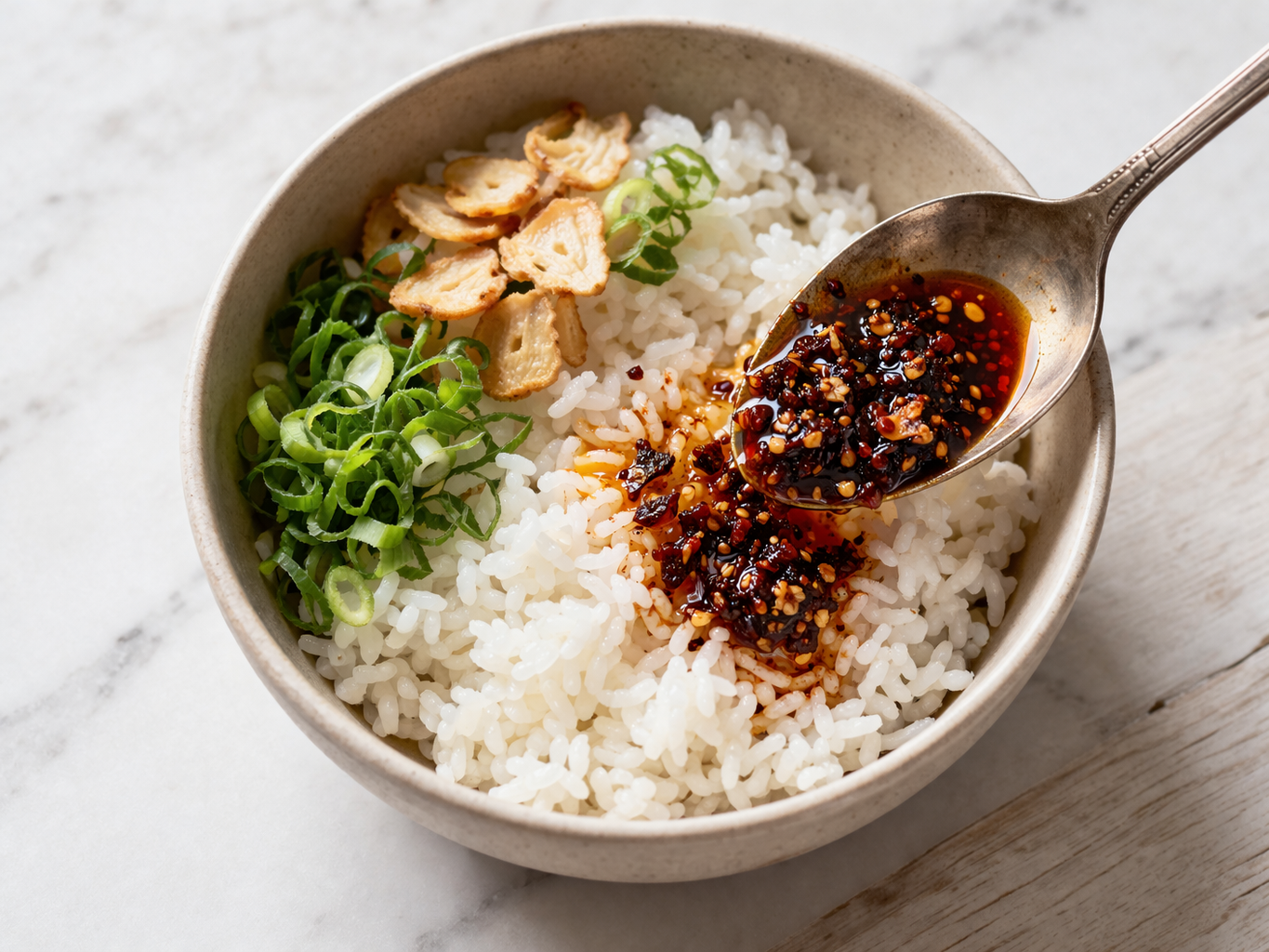
Ramen, noodles, dumplings → Sichuan or Japanese. Pizza, pasta, eggs, cheese → Calabrian. Rice dishes, Korean BBQ → Korean. Anything you want to experiment with → Fusion. Every style works on eggs. That’s not a regional thing, that’s just universal.
One More Style Worth Noting: Salsa Macha
Salsa macha occupies an adjacent category — it’s Mexico’s oil-based chili condiment, originating in Veracruz. Dried chilies, nuts, seeds, oil, and usually a little vinegar. The crunch comes from nuts and seeds rather than fried aromatics, and the heat is from Mexican dried chilies rather than Asian ones. It’s not technically a regional chili crisp style — it’s a distinct category — but it shares enough structural DNA with chili crisp that readers coming from this post should know it exists.
If you’re navigating the broader oil-based chili condiment landscape beyond just the types of chili crisp covered here, salsa macha is the natural next stop. And if you want to understand the other pourable member of this family, chili oil — the five regional varieties and how it differs from chili crisp — is the other direction to explore.
What are the main types of chili crisp?
The major regional styles are Sichuan/Chinese (the original — mala heat, soybean oil, doubanjiang base), Japanese (taberu rayu — lighter oil, umami-forward, milder), Calabrian/Italian (olive oil, fruity peperoncino chilies, savory finish), Korean (gochugaru-based, sweet-spicy, often toasted sesame), and fusion (cross-tradition blends common among American independent producers). Each has a distinct flavor logic.
Is Japanese chili crisp the same as Chinese chili crisp?
No — they’re related but distinct. Japanese taberu rayu (eating chili oil) adapted the Chinese format around 2009. It uses lighter oils, milder chilies, and tends toward umami-forward flavor with ingredients like sesame, fried onion, and sometimes shrimp or anchovy. The heat profile is generally lower and the texture is softer than Sichuan-style. Same category, different character.
What is Calabrian chili crisp?
Calabrian chili crisp uses Calabrian chilies (peperoncino) from southern Italy as its base, with extra virgin olive oil instead of neutral oil. The flavor profile is fruity, savory, and slightly tangy — very different from Sichuan-style. The heat is medium and doesn’t carry the numbing quality of mala. It pairs particularly well with pizza, pasta, eggs, and cheese boards.
What is taberu rayu?
Taberu rayu (食べるラー油) means ‘eating chili oil’ in Japanese. It was developed in Japan around 2009 as a condiment version of Chinese chili oil — adapted to be spooned directly onto food rather than used as a cooking ingredient. S&B Foods popularized it. It tends to be milder, more umami-forward, and uses lighter oil than Sichuan-style chili crisp.
Does the regional style affect FIL’s tier score?
No. Style is a category tag, not a scoring variable. A Calabrian chili crisp and a Sichuan chili crisp are evaluated on the same criteria: ingredient quality, texture, flavor complexity, balance, and value. Style tells you what to expect — it doesn’t tell you whether a product executes well within its own tradition.
Which chili crisp style is best for pizza?
Calabrian/Italian style is the natural fit — olive oil, fruity peperoncino chilies, and a savory finish that pairs with tomato sauce and cheese. Fusion styles with garlic-forward profiles also work well. Sichuan-style can be interesting on pizza but the mala numbing heat and soy-based profile can clash with Italian flavors if you’re not deliberate about the pairing.
Which chili crisp style is best for ramen?
Sichuan-style or Japanese taberu rayu. Both are native to the culinary tradition ramen comes from. Japanese taberu rayu was specifically designed as a noodle condiment. Sichuan-style adds mala heat and depth that plays well with rich broth. Korean-style gochugaru chili crisp also works, especially in spicy tonkotsu or miso ramen.