
Salsa macha is an oil-based condiment made from dried chilies, nuts or seeds, garlic, and usually a splash of vinegar. If you want the full category definition and how it compares to chili crisp, start with that post — this one goes deeper on what’s actually in the jar. It comes from Veracruz, Mexico, and it’s been sitting quietly in Mexican kitchens for generations. If you’ve been seeing it next to chili crisp on store shelves lately and wondering what it actually is — this is the post.
The short answer: salsa macha is not salsa in the way most people think of salsa. There’s no tomato. No fresh ingredients. No blender full of tomatillos. It’s an oil condiment, and the texture comes from toasted nuts and seeds suspended in chili-infused oil. Smokier than chili crisp. Nuttier. Often tangier. A completely different product that happens to share the same general shelf space.
What Salsa Macha Actually Is
The category confusion is understandable. “Salsa” in English defaults to the chunky tomato stuff in a jar. In Spanish, salsa just means sauce — any sauce. Salsa macha is a sauce built on oil, dried chilies, and a nut or seed component that gives it body and crunch.
The traditional base is simple: dried chilies toasted in oil, ground or roughly broken, mixed with peanuts or pepitas, garlic, and vinegar. The vinegar is important — it cuts the fat, adds a brightness you don’t get from chili crisp, and helps the whole thing hold together as a condiment instead of just tasting like chili oil with stuff in it.
Commercially, the formulas get more creative. You’ll see hazelnuts, almonds, sesame seeds, multiple chili varieties layered for different heat characters, dried fruit for sweetness, avocado oil, olive oil. The basic architecture stays the same: oil, dried chilies, something crunchy, something that adds depth, a little acid.
The Flavor Profile: Smoky, Nutty, Tangy
These three words do a lot of work, so let me be specific about what each one means in practice.
Smoky
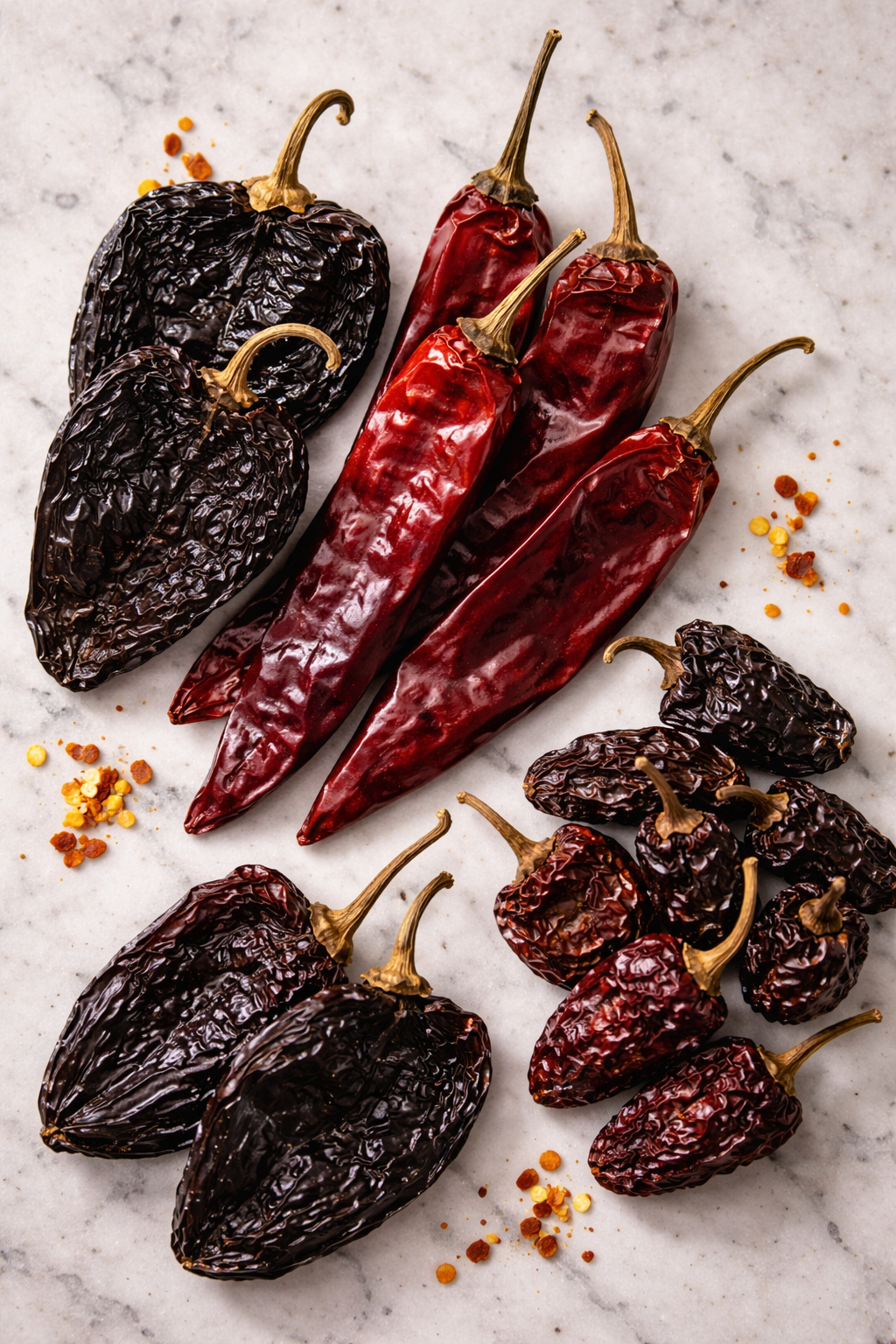
This comes from the dried chilies — specifically the drying and sometimes smoking process that concentrates their flavor. Morita and chipotle chilies are smoked outright; guajillo and ancho develop deep, raisin-like sweetness from air-drying. None of these taste like fresh peppers. They taste like something that’s been transformed by heat and time, and that smokiness is the backbone of every salsa macha worth eating.
It’s a different kind of depth than what you get from chili crisp. Chili crisp gets its depth from the frying process — garlic and shallots fried past golden, sometimes fermented elements like doubanjiang. The depth in salsa macha is agricultural, not culinary. It’s in the ingredient before anyone does anything to it.
Nutty
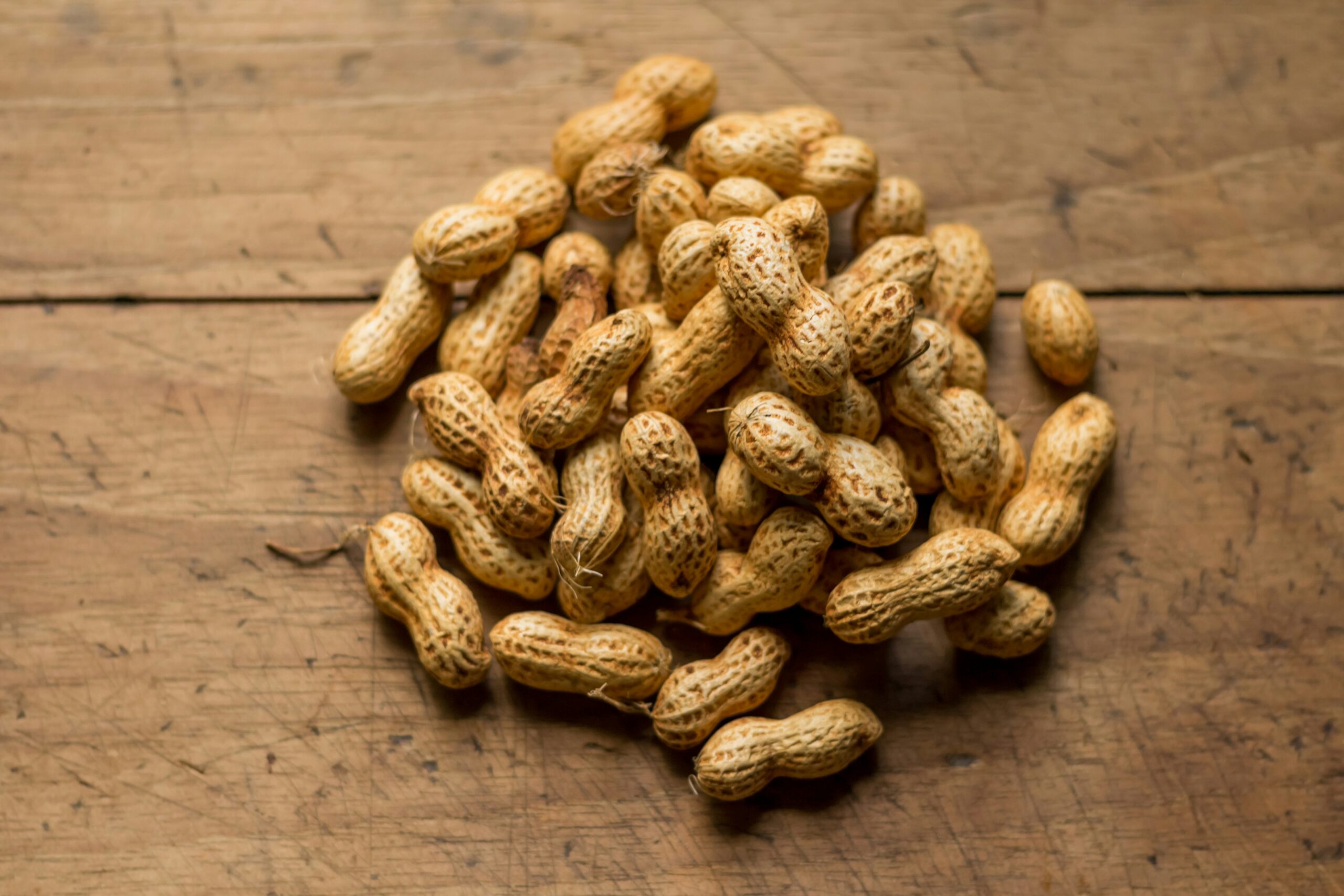
Here’s the part that separates salsa macha from everything else in the condiment aisle: the nuts and seeds aren’t just texture. When peanuts or pepitas are toasted properly before going into the oil, they release their fat into the surrounding oil. That fat carries flavor. The whole condiment gets nuttier, richer, and more rounded because of it.
This is also why toasting matters so much — and why over-toasting ruins it. A perfectly toasted peanut in salsa macha gives you crunch, flavor, and oil that enhances everything around it. A burned peanut gives you bitterness that spreads through the entire jar. The window between perfect and ruined is narrower than most people realize, and it’s one of the first things I look at when evaluating any salsa macha.
Tangy
Vinegar shows up in a lot of salsa macha recipes and commercial formulas, and it does something the other two flavor pillars can’t: it cuts through. Smoky and nutty are both heavy flavors — good heavy, but heavy. A little acidity lifts the whole thing and makes it more versatile as a condiment. It’s also what makes salsa macha taste livelier than it might look in a jar. You open it expecting something rich and a little serious, and the brightness catches you off guard the first time.
Not every version has vinegar. Some lean into the richness and let the chili smokiness do all the work. That’s a legitimate choice. But the best versions I’ve had — the ones that make you reach for the jar again — almost always have that acid component doing quiet background work.
Salsa macha doesn’t taste like Mexican food in the way people sometimes expect. It doesn’t taste like enchilada sauce or taco seasoning. The dried chili base it shares with those traditions is the same ingredient treated differently — no tomato, no water, no cooking down. Just oil, heat, and time. The result is something that works as well on noodles or eggs as it does on tacos.
What Goes Into It
Salsa macha has four core components. Everything else is variation.
The dried chilies
This is the flavor foundation. Different chilies produce radically different results:
| Chili | Flavor character | Heat level |
|---|---|---|
| Morita | Smoky, slightly fruity — a smoked jalapeño | Medium |
| Guajillo | Bright, tangy, mild — the most accessible base | Mild |
| Ancho | Raisin-sweet, earthy — dried poblano | Mild |
| Árbol | Sharp, grassy heat with little sweetness | Hot |
| Chipotle | Deep smoke, BBQ-adjacent — dried smoked jalapeño | Medium |
| Pasilla | Earthy, slightly bitter, dark fruit notes | Mild-medium |
Different chilies produce radically different results — and if you want to go deeper on what each one contributes to flavor, the chili and pepper guide covers the full breakdown. Most commercial versions blend two or more. A guajillo-morita blend gives you brightness with smoke. Árbol-heavy formulas are for people who want heat first. The chili blend is the single biggest variable from jar to jar, and it’s almost always listed on the label if you know what you’re reading.
The nuts and seeds
Peanuts are the most traditional choice — they toast well, they’re affordable, and their oil is neutral enough to carry the chili flavor without competing with it. Pepitas (pumpkin seeds) are a common alternative or addition. Sesame seeds show up frequently, adding a subtle bitterness and a finer texture. Premium versions use hazelnuts, almonds, or pine nuts, which produce noticeably different results — richer, more expensive-tasting, and sometimes more finicky because higher-fat nuts can go from perfectly toasted to bitter faster.
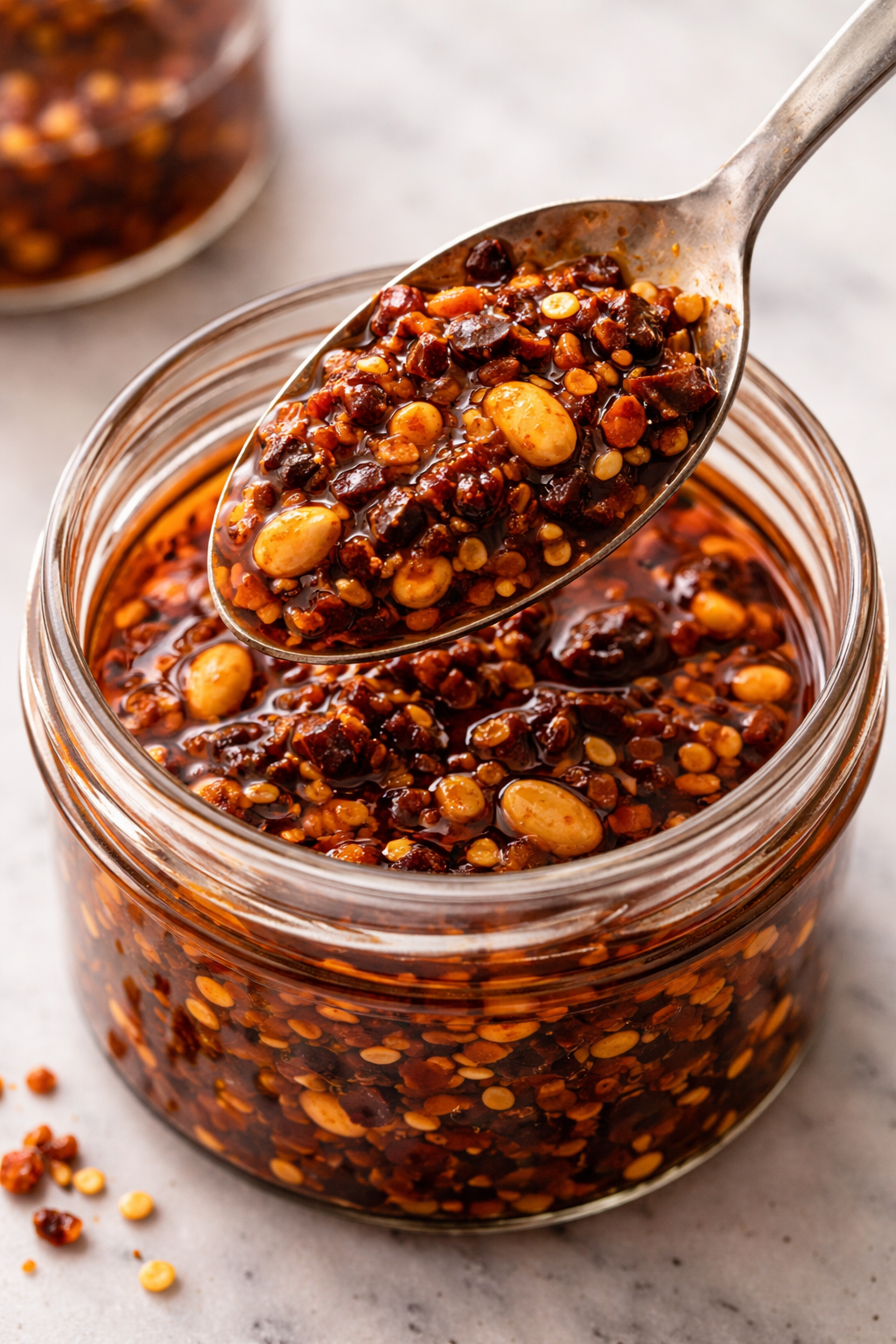
The ratio of nuts to oil is something you can often estimate before you open the jar — look at how the jar settles. A lot of clearly visible solids floating in a transparent layer means a generous hand with the nuts. Mostly oil with a thin layer of sediment at the bottom is usually a sign the nut component is an afterthought.
The oil
Neutral oils — sunflower, canola, grapeseed — are the most common because they don’t compete with the chili and nut flavors. Olive oil shows up in premium versions and adds its own character; avocado oil does the same. The oil quality matters more in salsa macha than in chili crisp because the oil-to-solids ratio is higher — there’s more of it, and it’s doing more flavor work. I pay attention to oil type in every review.
The acid and supporting cast
Vinegar (apple cider or white) is the most common acid. Some versions use citrus. Garlic is nearly universal. Sweeteners — piloncillo (unrefined Mexican brown sugar), honey, or dried fruit — show up in more complex formulas and add dimension without tipping into sweet condiment territory when done well. The secondary seasonings guide covers how sweeteners and flavor builders work across all chili condiment categories.
Salsa Macha vs. Chili Crisp: Cousins, Not Twins
People reach for this comparison constantly, and some brands lean into it — you’ll see “Mexican chili crisp” on labels, which is either smart marketing or lazy shorthand depending on how charitable you want to be.
The honest comparison: they share a category (oil-based chili condiments with solid components) but almost nothing else.
| Salsa macha | Chili crisp | |
|---|---|---|
| Origin | Veracruz, Mexico | Sichuan, China (primary) |
| Solid component | Toasted nuts and seeds | Fried aromatics (garlic, shallots) |
| Chili base | Mexican dried chilies (morita, guajillo, ancho) | Chinese dried chilies (facing heaven, er jing tiao) |
| Flavor profile | Smoky, nutty, often tangy | Savory, umami-forward, often numbing |
| Acid component | Often present (vinegar) | Rare |
| Heat character | Dried chili heat — builds slowly | Dried chili + sometimes Sichuan peppercorn numbing |
The “Mexican chili crisp” label isn’t wrong in the way that matters to most people — it signals the right shelf, the right usage occasion, the right general expectation of oil and heat and crunch. But it undersells what makes salsa macha worth evaluating on its own terms. The nut component, the vinegar, the dried chili tradition — these aren’t chili crisp with a different spice blend. They produce a genuinely different product.
If you want more on what chili crisp actually is, that post covers it in full. For a deeper look at how I read the ingredient list on both — the signals that separate a well-made jar from a mediocre one — that label-reading guide covers the shared concepts. And for the full picture on how chili crisp production methods shape what ends up in the jar, the how chili crisp is made guide explains the process side.
What “Macha” Actually Means
Two competing theories, and both might be partially right.
The first: macha is the feminine form of macho — strong, bold. The name describes the condiment’s character. Not subtle.
The second: it comes from machacar, the Spanish verb meaning to crush or pound. The original preparation involved grinding dried chilies by hand in a molcajete. The name describes the method, not the attitude.
Wherever the name comes from, the condiment itself originated in the Veracruz region — specifically around Orizaba — and spread slowly through Mexican cooking before US food media discovered it around 2020. The New York Times called it a “condiment of the year.” TikTok followed with over 126 million views on the hashtag. Neither of those things changed what it is; they just made it easier to find in American stores. The longer version of that story — Veracruz origins, the comapeño chile, the trade route theories — is in the history of salsa macha.
How FIL Evaluates Salsa Macha
The same framework I use for chili crisp, with adjustments for what salsa macha actually is.
Texture and crunch is still critical, but the source is different. I’m looking at nut and seed quality — whether they’re toasted to the right point, whether they hold their crunch in the oil, whether the ratio gives you something to bite into or mostly oil with a few pieces floating around. The difference between good toasting and over-toasting is usually visible in the color of the nuts. Pale is underdone. Dark brown verging on black is burned and bitter. The sweet spot is a rich golden-brown, and you can see it through a clear jar before you ever open it.
Flavor complexity is where salsa macha either earns its price or doesn’t. The smoky-nutty-tangy combination I described above is the target. A jar that delivers all three, in balance, is doing something. A jar that’s just oily with a little heat is not.
Ingredient quality signals — oil type, chili variety named specifically on the label, nut sourcing, absence of fillers — are things I read before I taste anything. The label tells you a lot. A salsa macha that lists “dried chilies” without specifying which ones is being vague for a reason. The salsa macha ingredient guide covers exactly what to look for.
Heat character matters, but heat level is just one data point. I care more about whether the heat has a flavor behind it — whether you’re getting the smokiness of morita, the brightness of árbol — versus heat that exists and that’s it. Same principle I apply to evaluating heat in chili crisp.
One thing I watch for that doesn’t get discussed much: the nut oil contribution. When peanuts or pepitas are toasted properly and then submerged in oil, their natural fat releases into the surrounding oil and carries flavor through the whole jar. A salsa macha made with well-toasted nuts tastes fundamentally different from one where the nuts were added without real attention to the toasting step. It’s not a minor variable — it changes the character of every spoonful.
What to Put It On
The short version: treat it the way you’d treat chili crisp, but expect a different flavor outcome. It works on eggs, noodles, rice, tacos, pizza, roasted vegetables. The smokiness and tanginess make it particularly good on anything that benefits from a little acid lift — avocado toast, grilled fish, grain bowls.
One place it outperforms chili crisp: as a dipping condiment with fresh tortillas or bread, where the nut texture and the vinegar brightness come through without being diluted by a dish. Just the condiment, the thing you’re dipping, and the full flavor profile doing its job.
You don’t have to cook to appreciate it. Spoon it straight from the jar onto whatever’s in front of you. That’s a legitimate test. If you’re curious about how chili oil works as a cooking ingredient — a use case where salsa macha and chili oil overlap — that guide covers the practical side.
What is salsa macha made of?
Salsa macha is made from dried chilies, oil, nuts or seeds (most traditionally peanuts), garlic, and often vinegar. Some versions add sweeteners like piloncillo or dried fruit. The exact combination varies by region and producer, but dried chilies and a nut or seed component are the constants.
Is salsa macha the same as chili crisp?
No. They’re both oil-based chili condiments, but they’re built differently and taste different. Chili crisp uses fried aromatics — garlic, shallots, sometimes soybeans — for its texture. Salsa macha uses nuts and seeds. Chili crisp leans umami and savory. Salsa macha leans smoky, nutty, and often tangy from vinegar. Same category of condiment, completely different product.
What does salsa macha taste like?
Smoky from the dried chilies, nutty from peanuts or pepitas or sesame, and often with a brightness from vinegar that chili crisp doesn’t have. The heat level varies widely — traditional versions can run hot, commercial jars tend toward mild-to-medium. The flavor is earthy and full, without the deep umami punch of chili crisp.
Is salsa macha spicy?
It depends entirely on which chilies were used. Árbol-heavy versions can have real heat. Ancho or guajillo-forward versions are mild and fruity. Most commercially available jars trend mild to medium. The chili variety is the biggest variable — and it’s usually listed on the label if you know what to look for.
Where does salsa macha come from?
Veracruz, Mexico — specifically the region around Orizaba — is where salsa macha originated. The original version used comapeño chiles, which are now nearly impossible to find. Regional variations exist across Mexico, and the condiment has been quietly present in Mexican cooking for generations before becoming trendy in the US.
Do you refrigerate salsa macha?
Most commercially made salsa macha is shelf-stable because the oil acts as a preservative. Once opened, refrigeration extends freshness and preserves the nut and seed quality — oils in nuts can go rancid over time. Check the label; most brands recommend refrigerating after opening.
What’s the difference between salsa macha and hot sauce?
Almost everything. Hot sauce is vinegar-based and thin — it’s a liquid condiment designed to add heat and acidity. Salsa macha is oil-based and substantial — it has texture from nuts and seeds, and it’s designed to add flavor depth, not just heat. They occupy completely different spots on a plate.