What Goes Into Salsa Macha: A Label-Reading Guide
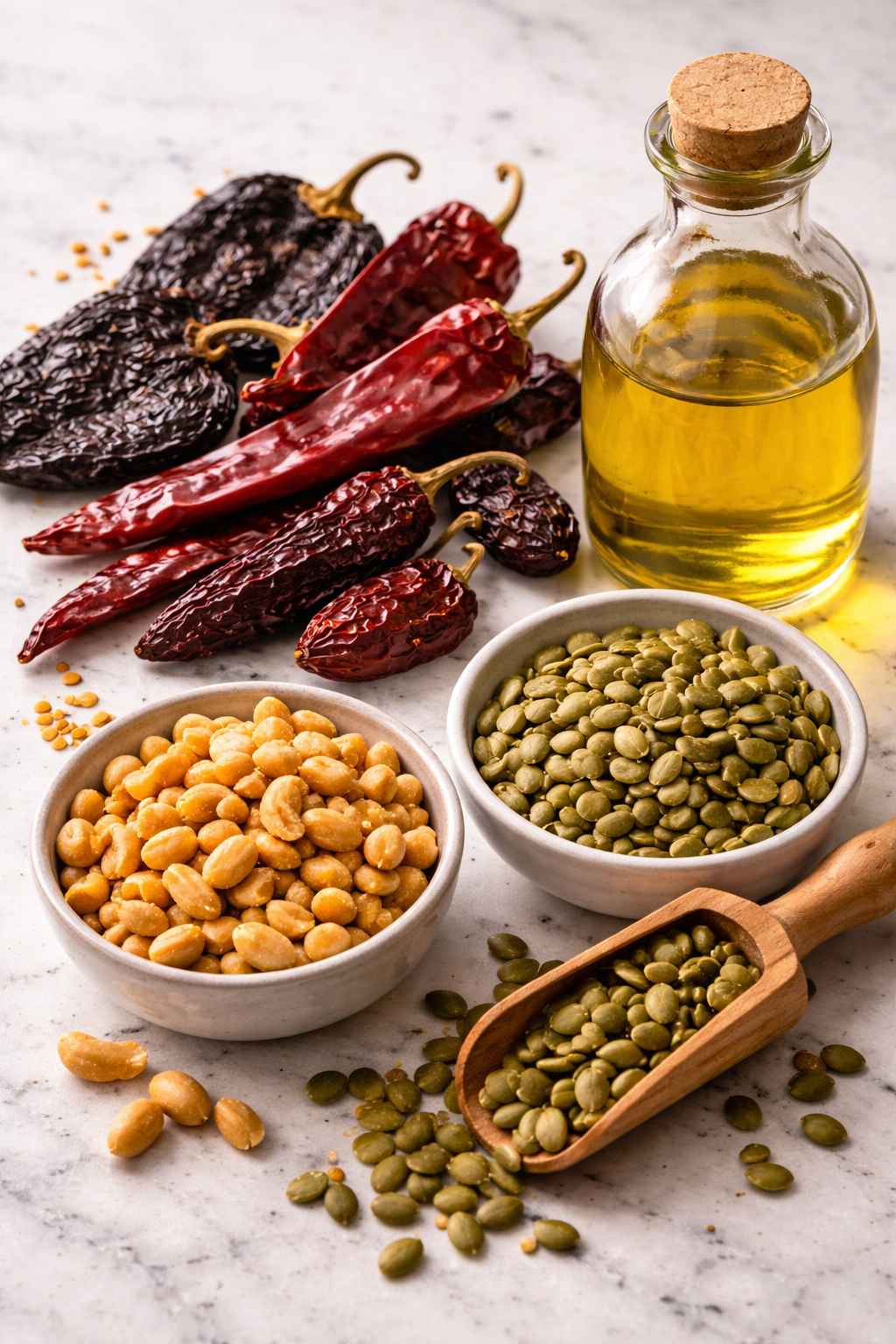
Salsa macha is built from dried chilies, nuts, oil, and not much else — but those choices matter a lot. Here’s how to read the label before you buy.

 Flavor Index Lab Team
Salsa macha is built from dried chilies, nuts, oil, and not much else — but those choices matter a lot. Here’s how to read the label before you buy.
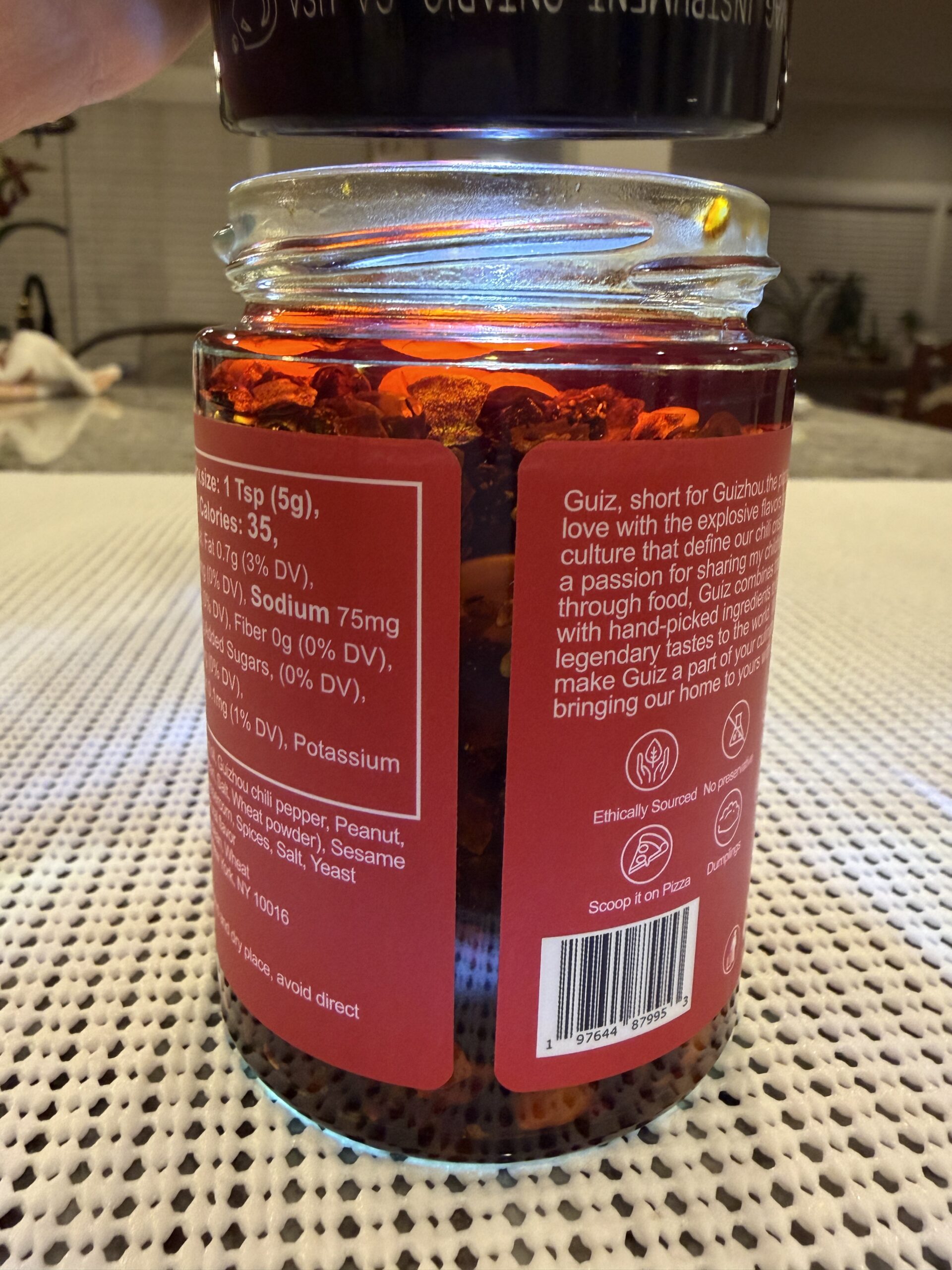
There’s no single chili crisp. Sichuan, Japanese, Calabrian, Korean, fusion — each style has a distinct character. Here’s how to read them, what makes each one different, and which to reach for when.
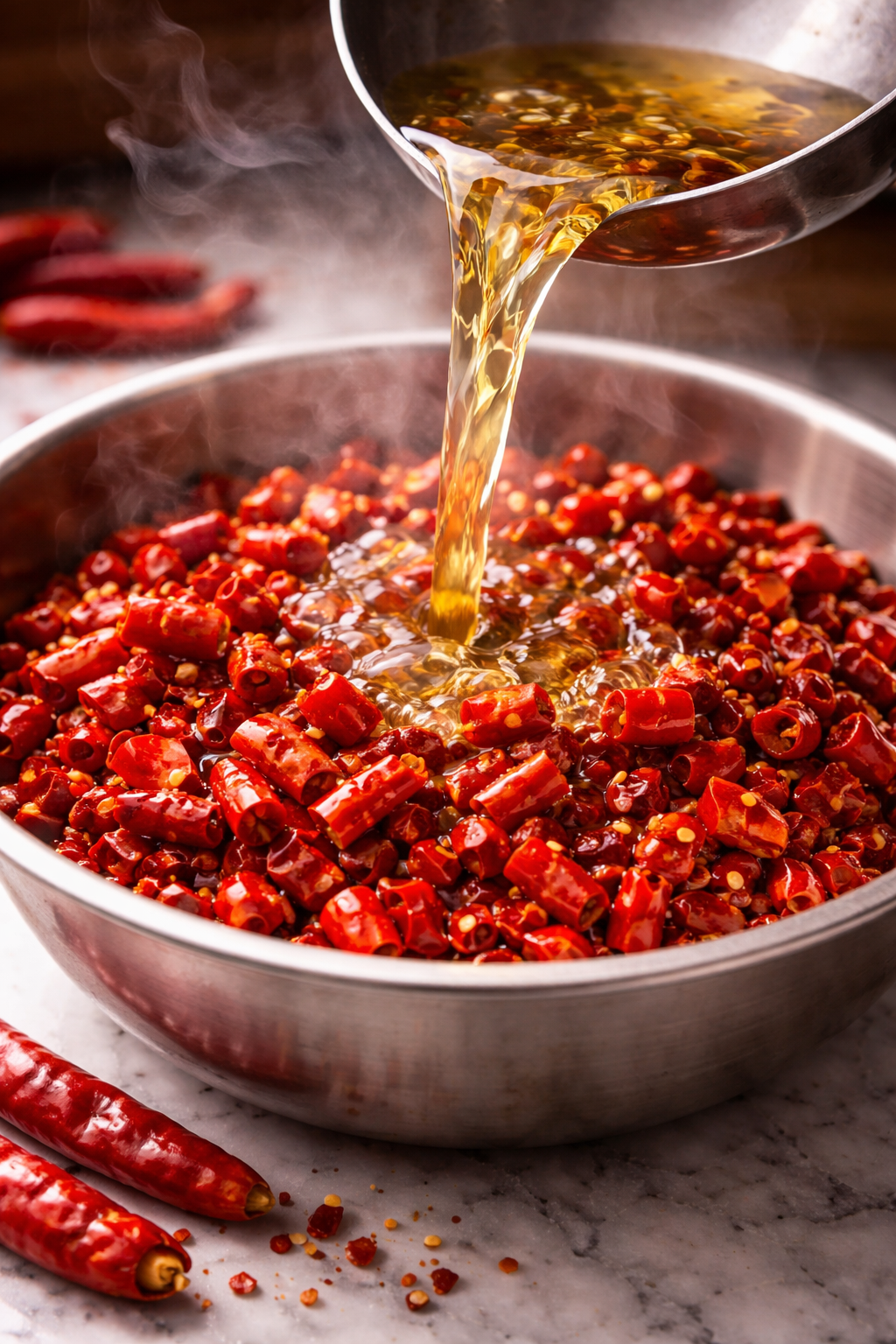
The method behind the jar matters more than most people realize. Here’s how chili crisp is made — and how pour-over vs. simmer production signals quality before you even open it.
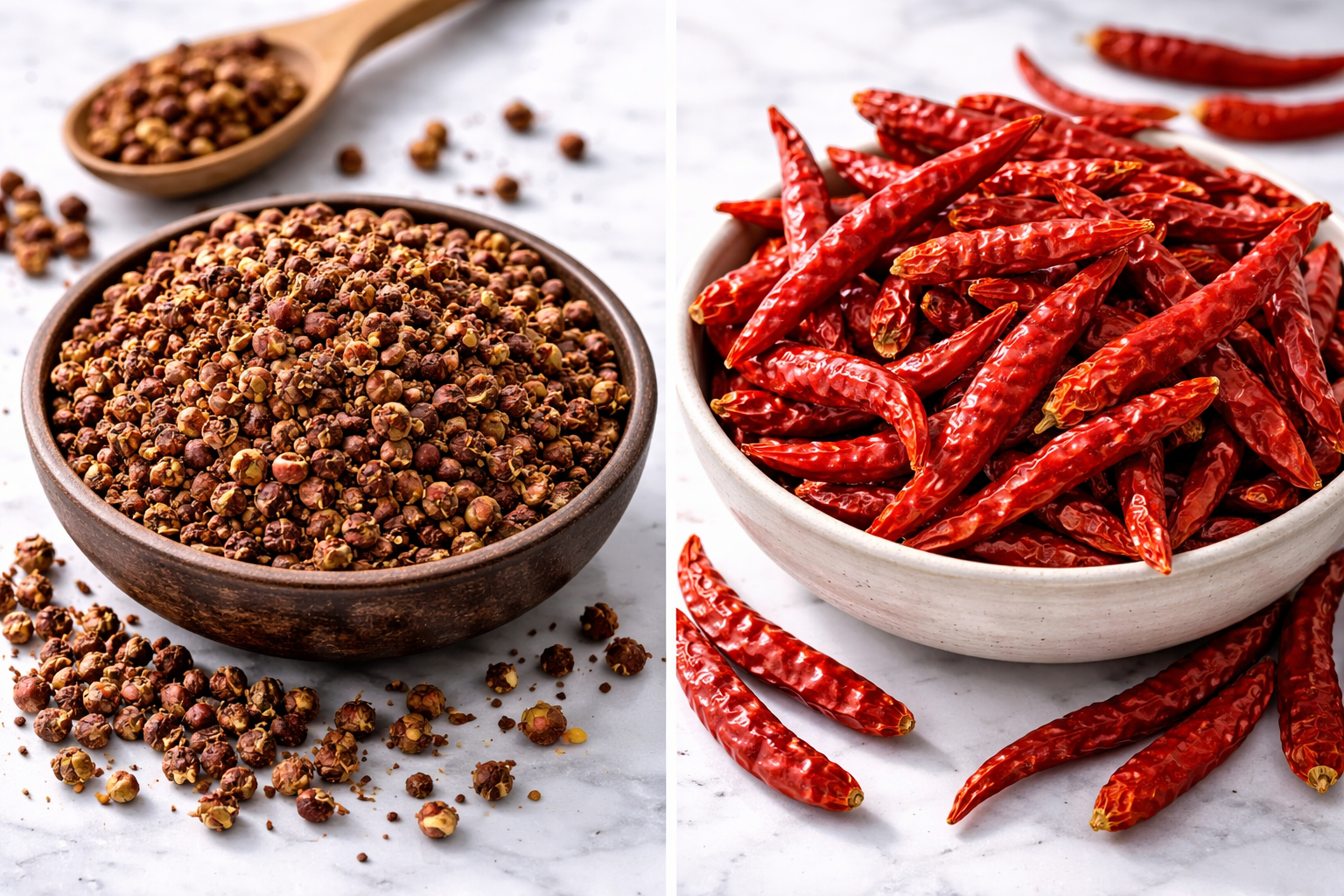
Not all chili crisp heat is the same. Here’s how to identify the types of heat in chili crisp — Sichuan tingle, front-load burn, and slow-build — and what each one means for how a product tastes.
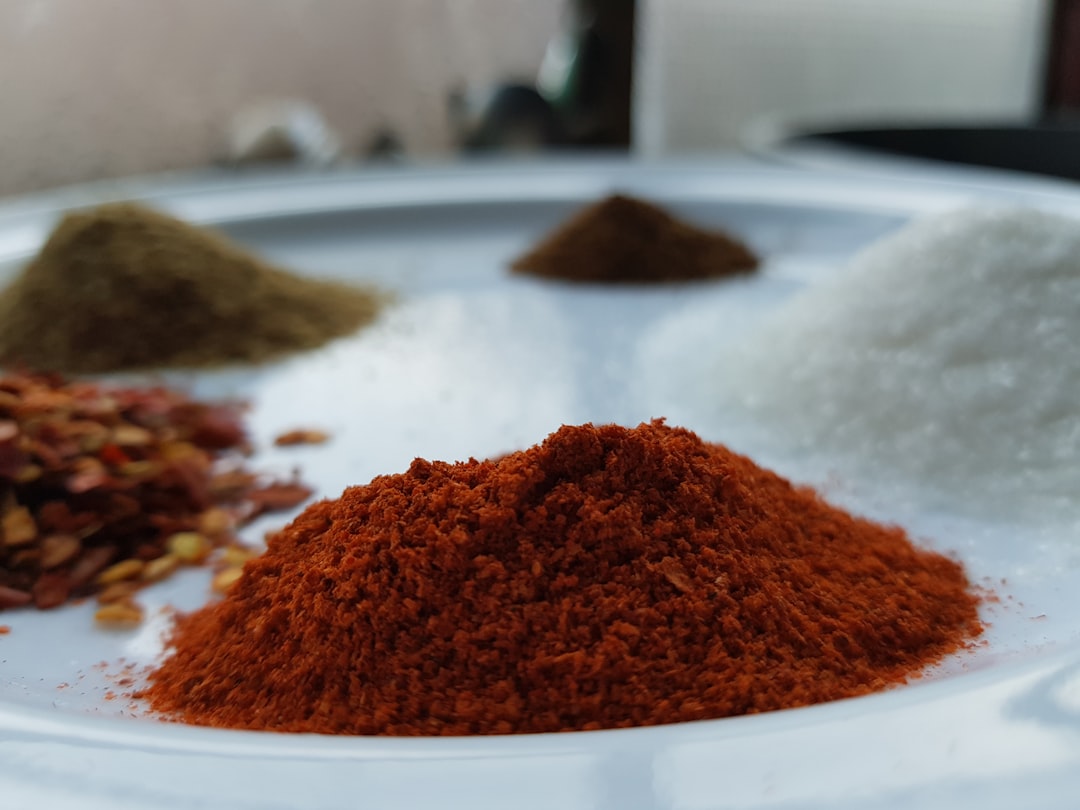
MSG, sugar, salt, star anise, mushroom powder, fermented black beans — the seasonings behind chili crisp do more work than most people realize. Here’s what each one does and when to worry about it.
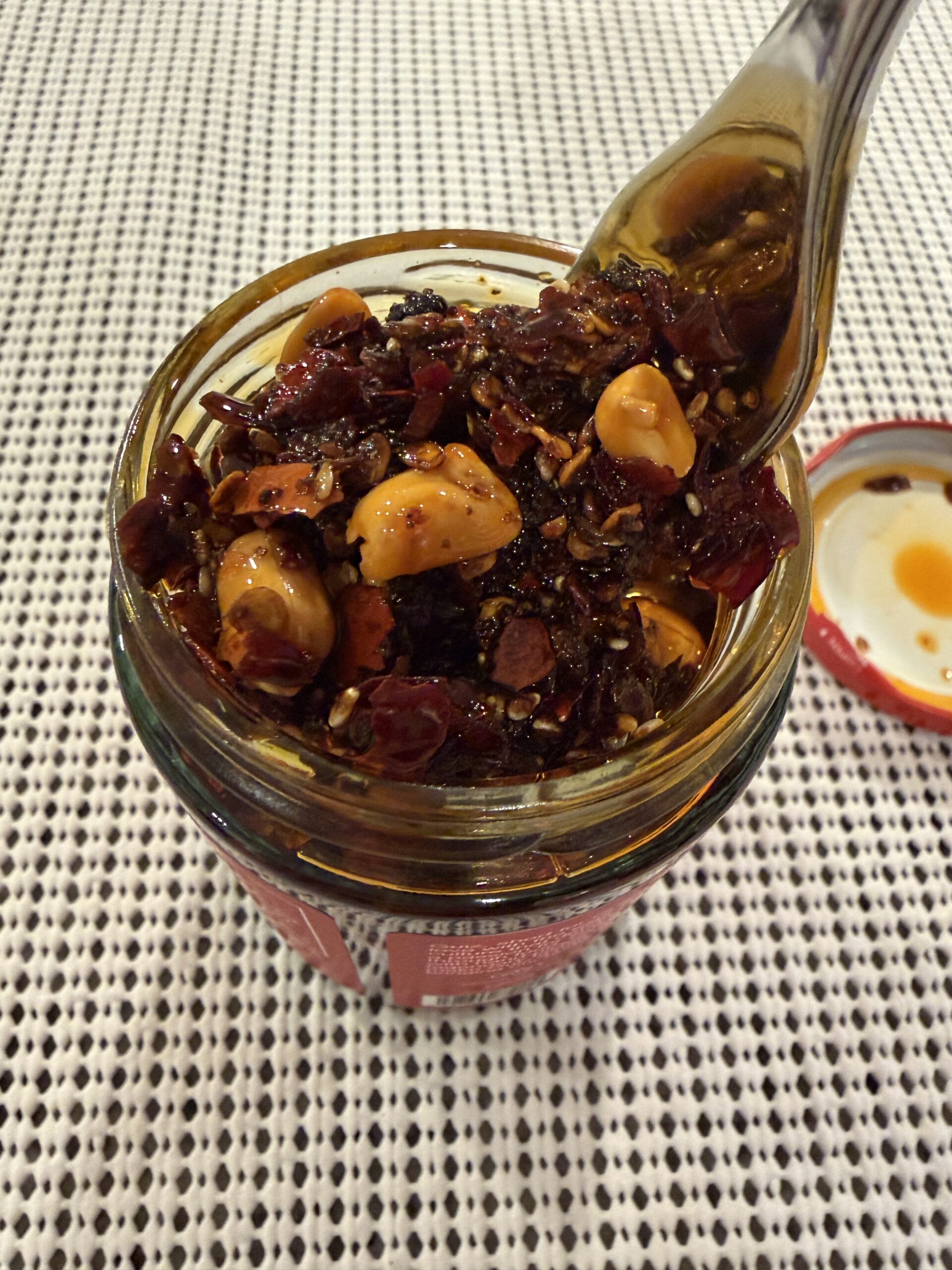
The crispy bits define the entire chili crisp experience. Here’s what quality bits look like, what filler looks like, and how to tell the difference before you open the jar.
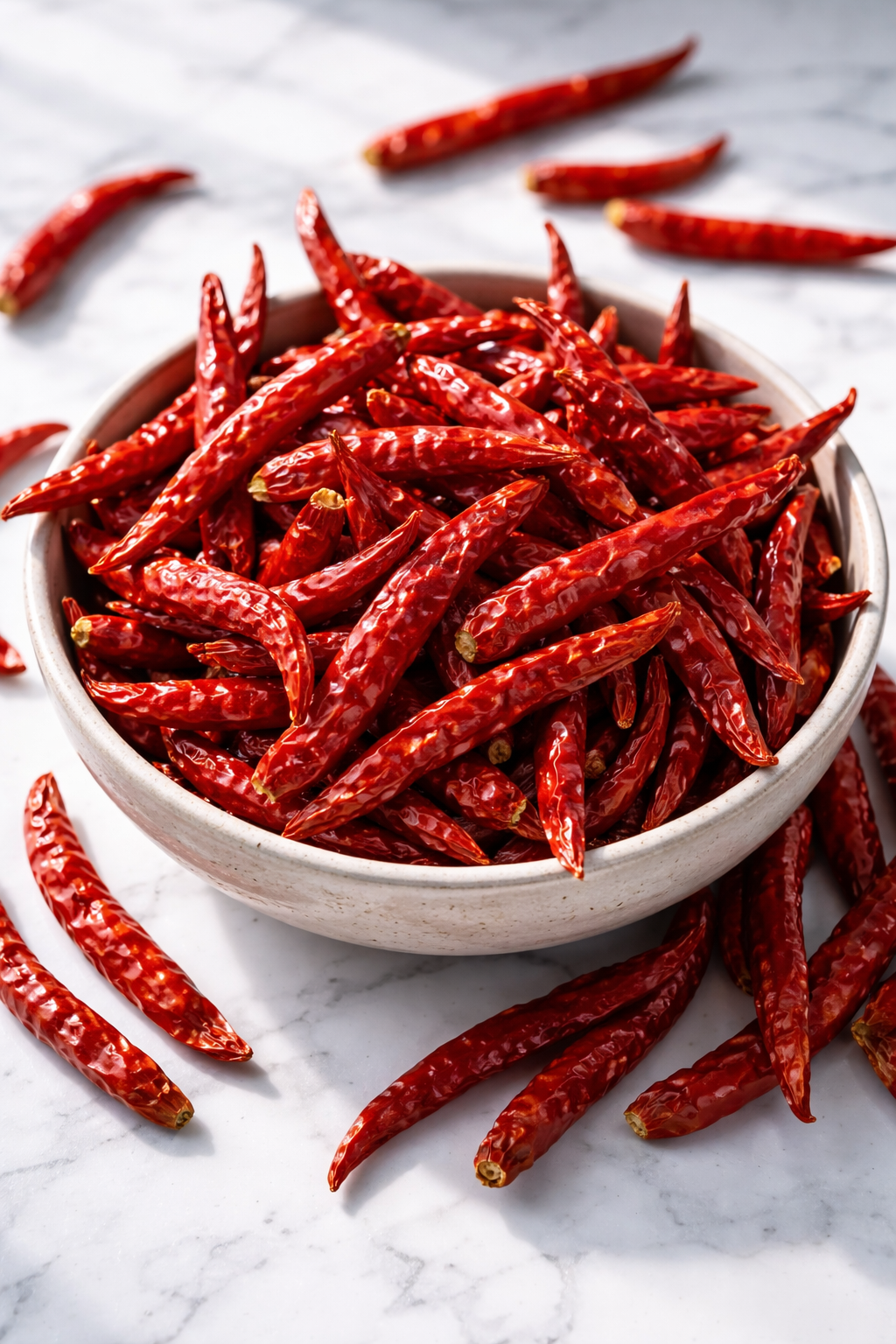
The chili in your chili crisp isn’t generic red pepper. It’s a specific variety — or a blend of several — and each one brings a different flavor, heat profile, and character to the jar.
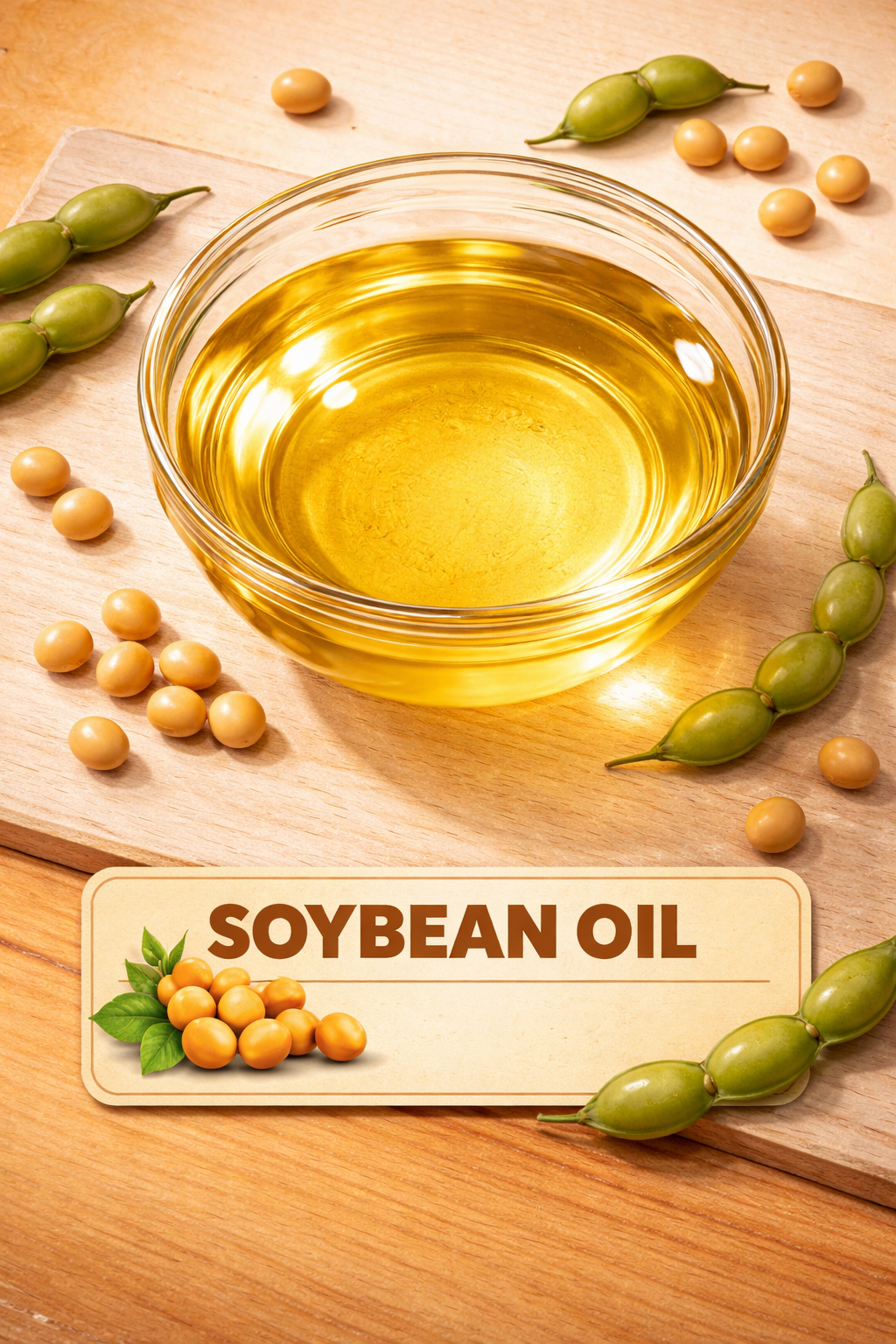
The oil in your chili crisp jar isn’t just a vehicle for heat — it’s the single largest ingredient by volume. Here’s what each oil type means for flavor, nutrition, and quality.
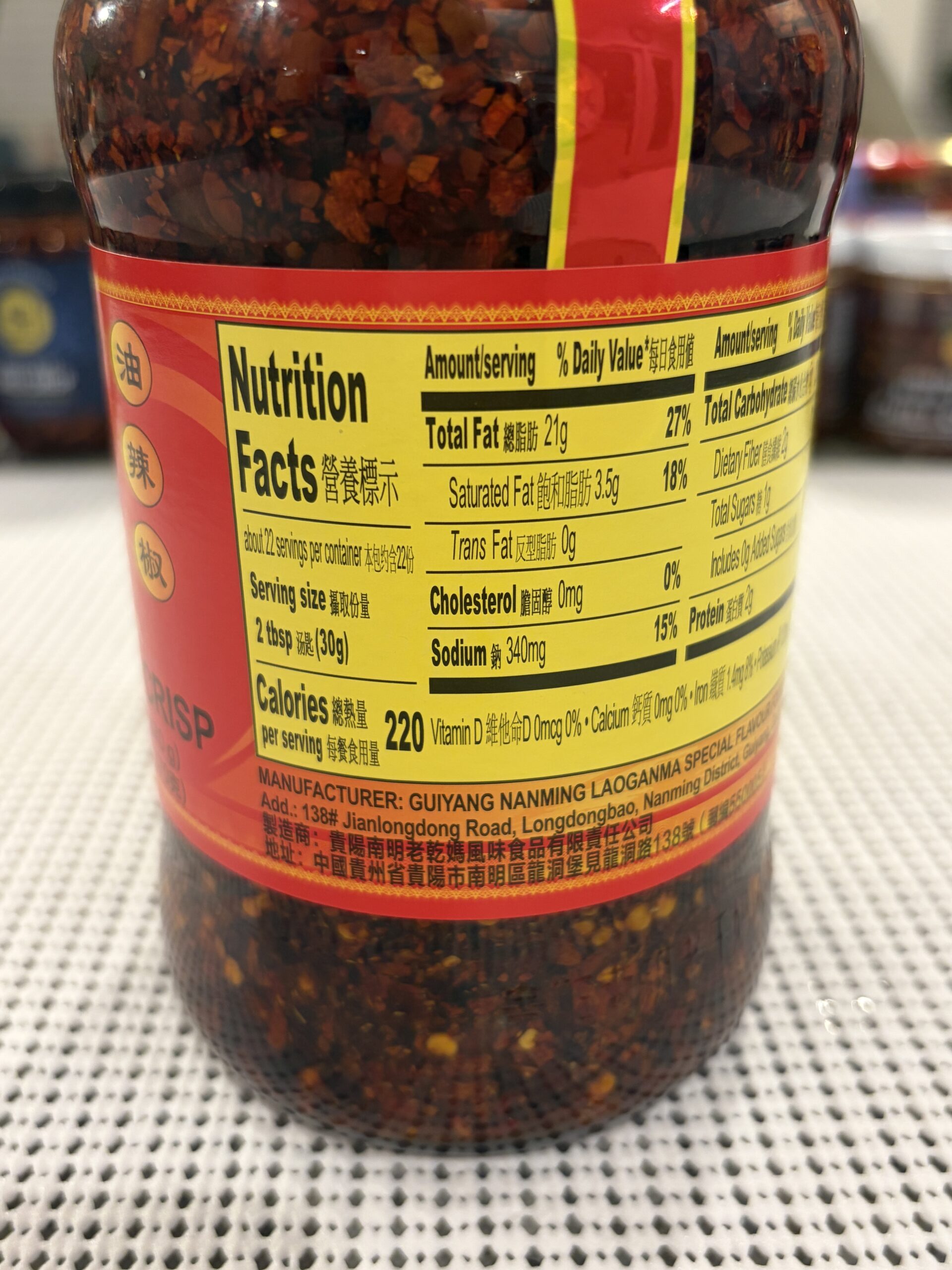
The ingredient list tells you more about a chili crisp than any marketing copy. Here is exactly what to look for — and what signals a cheap, padded-out product.
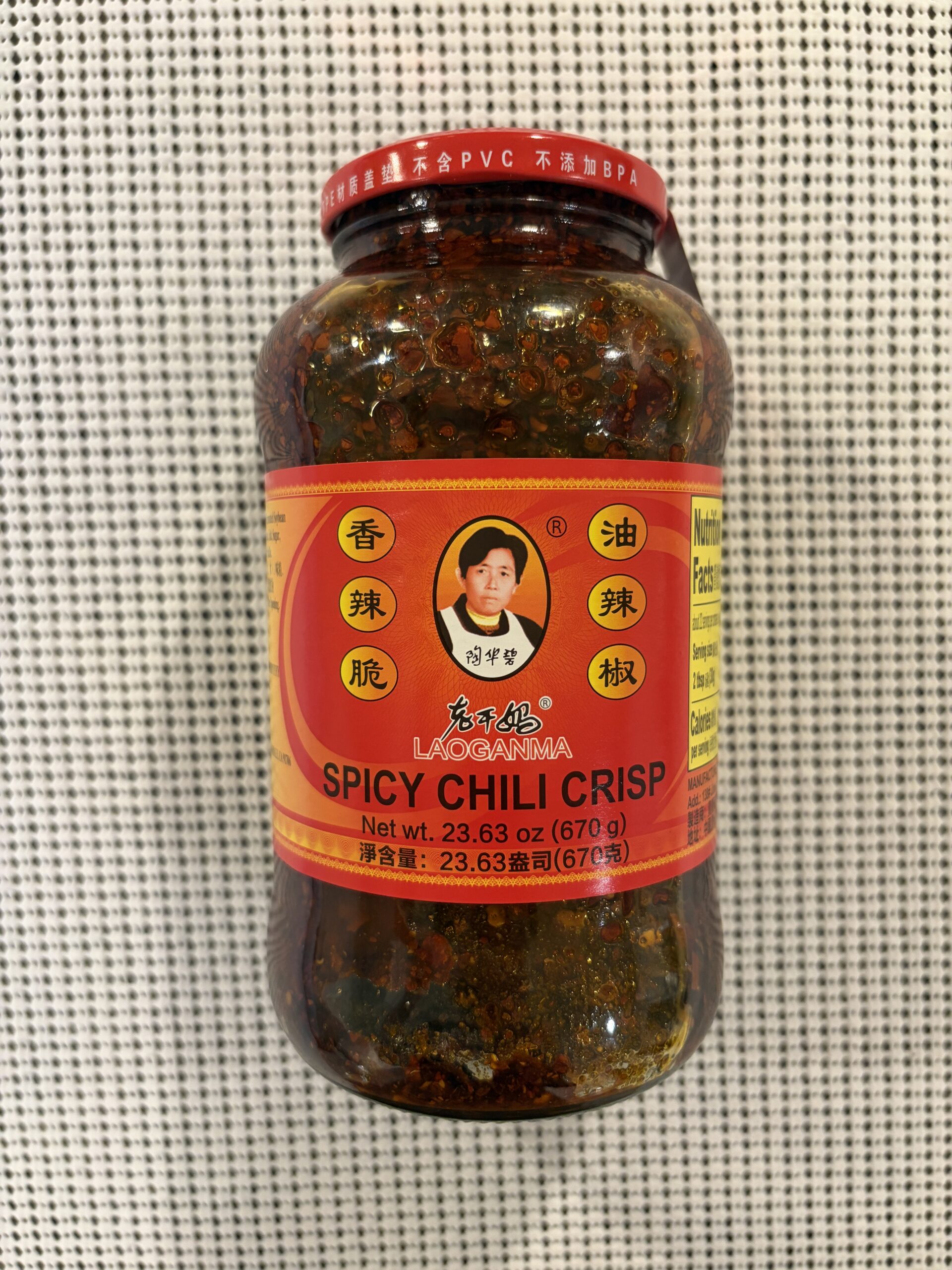
Most people’s introduction to the history of chili crisp is a single sentence: “It was invented by Lao Gan Ma.” That’s not wrong — but it’s about as complete as saying the history of beer starts with Budweiser. Chili-in-oil as a format goes back at least 230 years. What Lao Gan Ma did in 1997 … Read more