Is Chili Crisp Gluten Free?
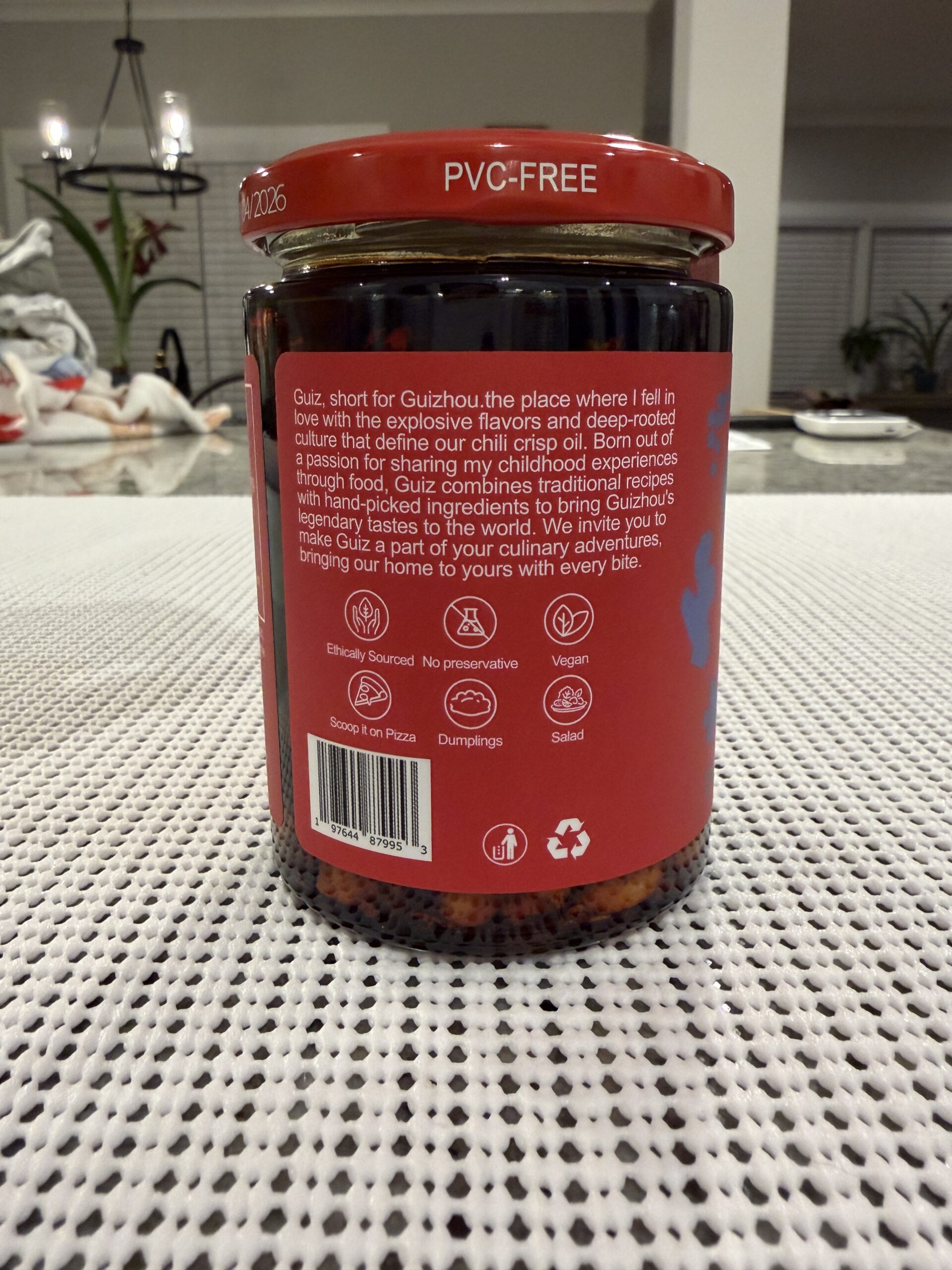
Most chili crisp is gluten free, but soy sauce, fermented bean paste, and cross-contamination mean you need to check every jar. Here’s how.

Foundation posts and educational content — what it is, how it works, how it’s made.
Most chili crisp is gluten free, but soy sauce, fermented bean paste, and cross-contamination mean you need to check every jar. Here’s how.
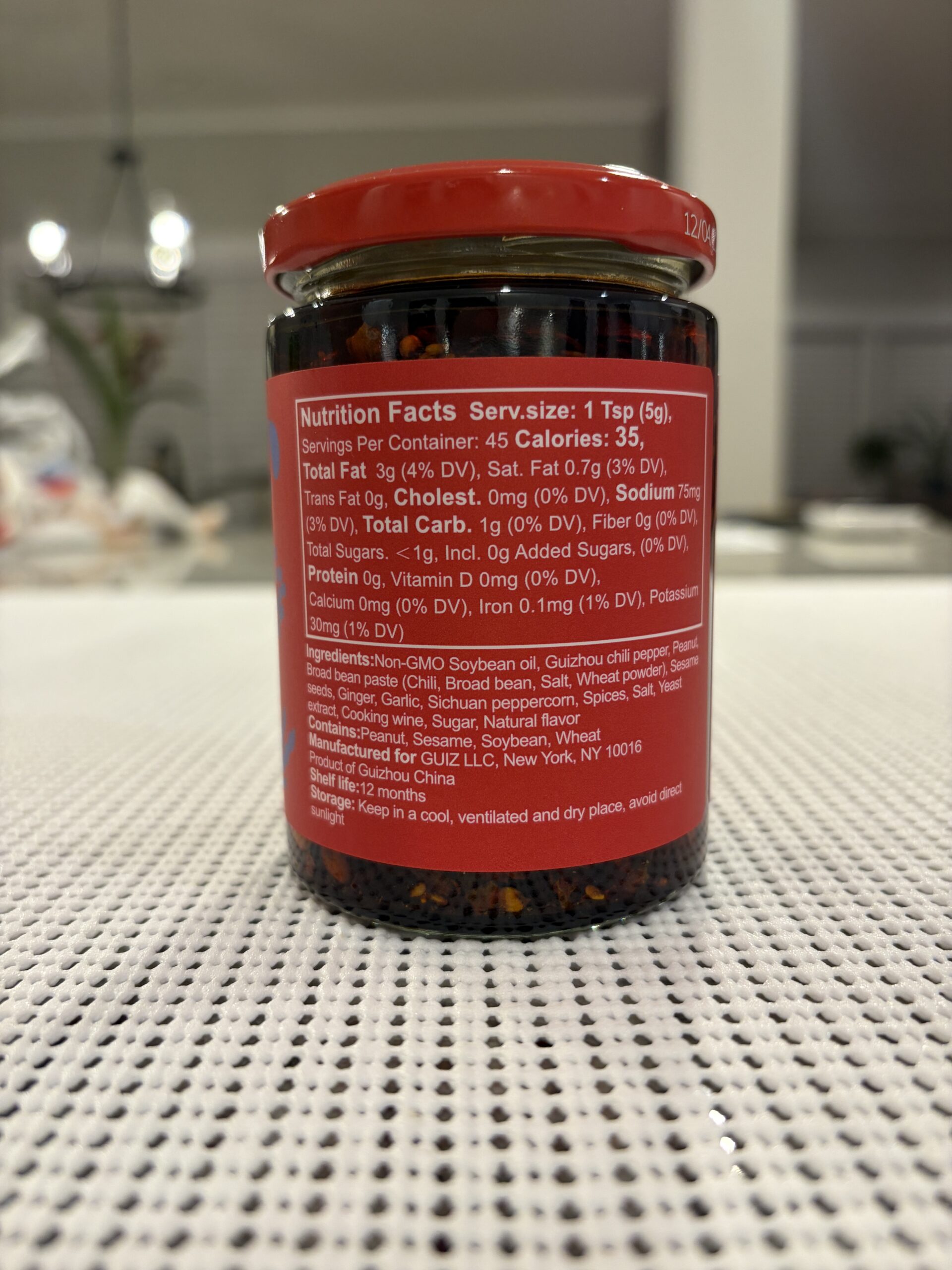
A tablespoon of chili crisp runs 80-200mg sodium depending on the brand. Here’s where it comes from, how serving sizes skew the numbers, and why MSG isn’t the problem.
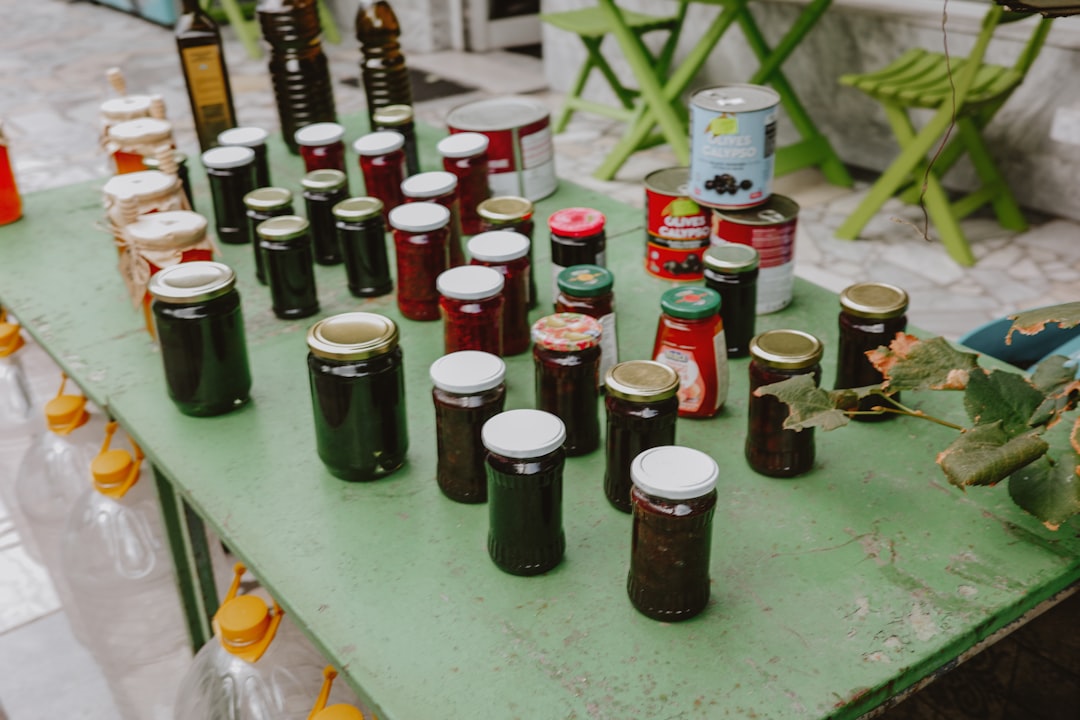
Chili crisp ranges from $0.33 to $2.50 per ounce. The gap comes down to oil type, production scale, distribution model, and brand positioning. Here’s the full breakdown.
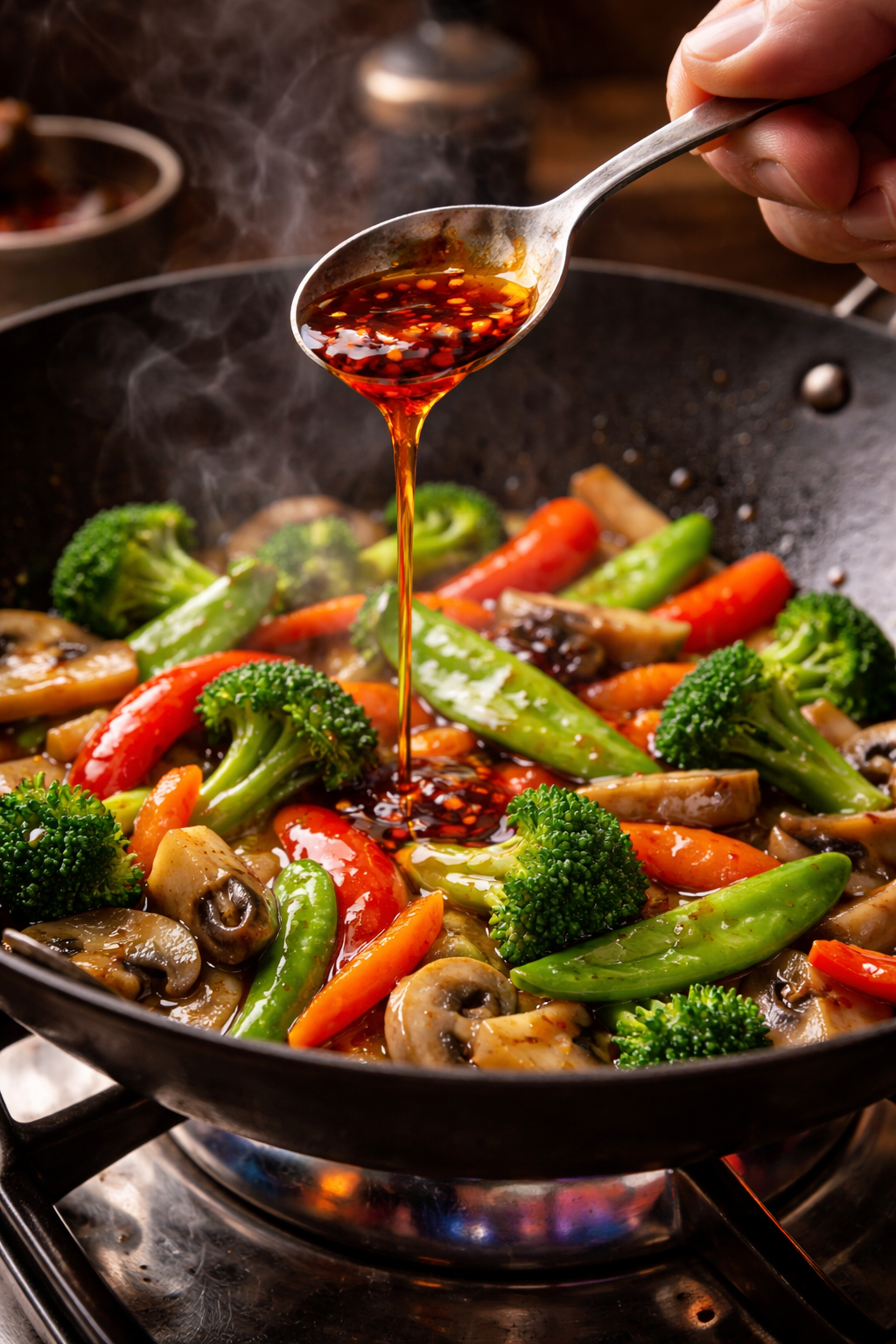
A practical guide to cooking with chili oil — which oil bases survive high heat, how to use chili oil in stir fry, marinades, eggs, and noodles, and what cookability means for product reviews.
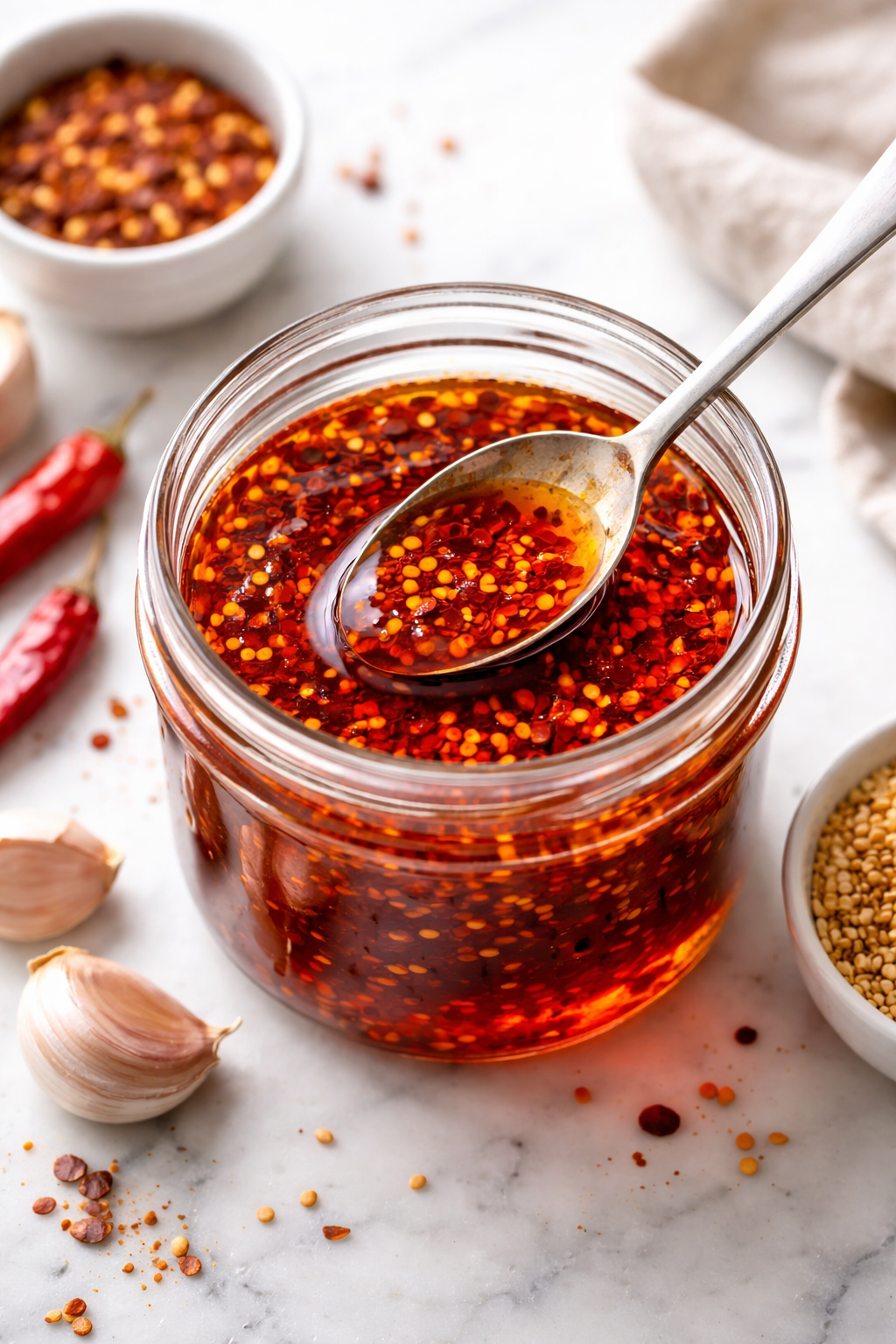
Not all chili oils are the same. Here’s a breakdown of the five main types of chili oil from around the world — what makes each one different, and what to use each for.
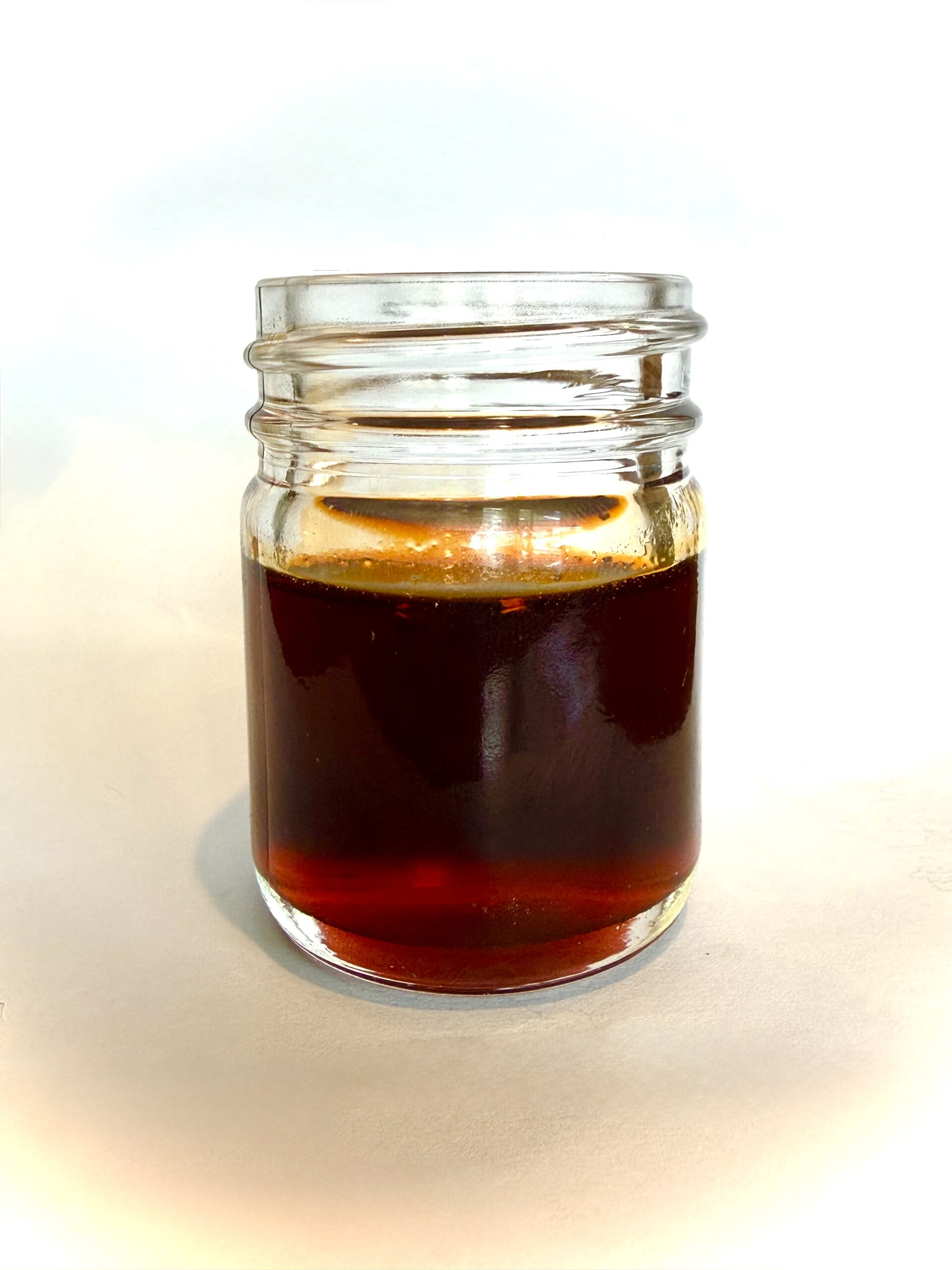
Chili oil and chili crisp are not the same product. Here’s what chili oil actually is, what separates it from chili crisp, and how I evaluate what’s in the jar.
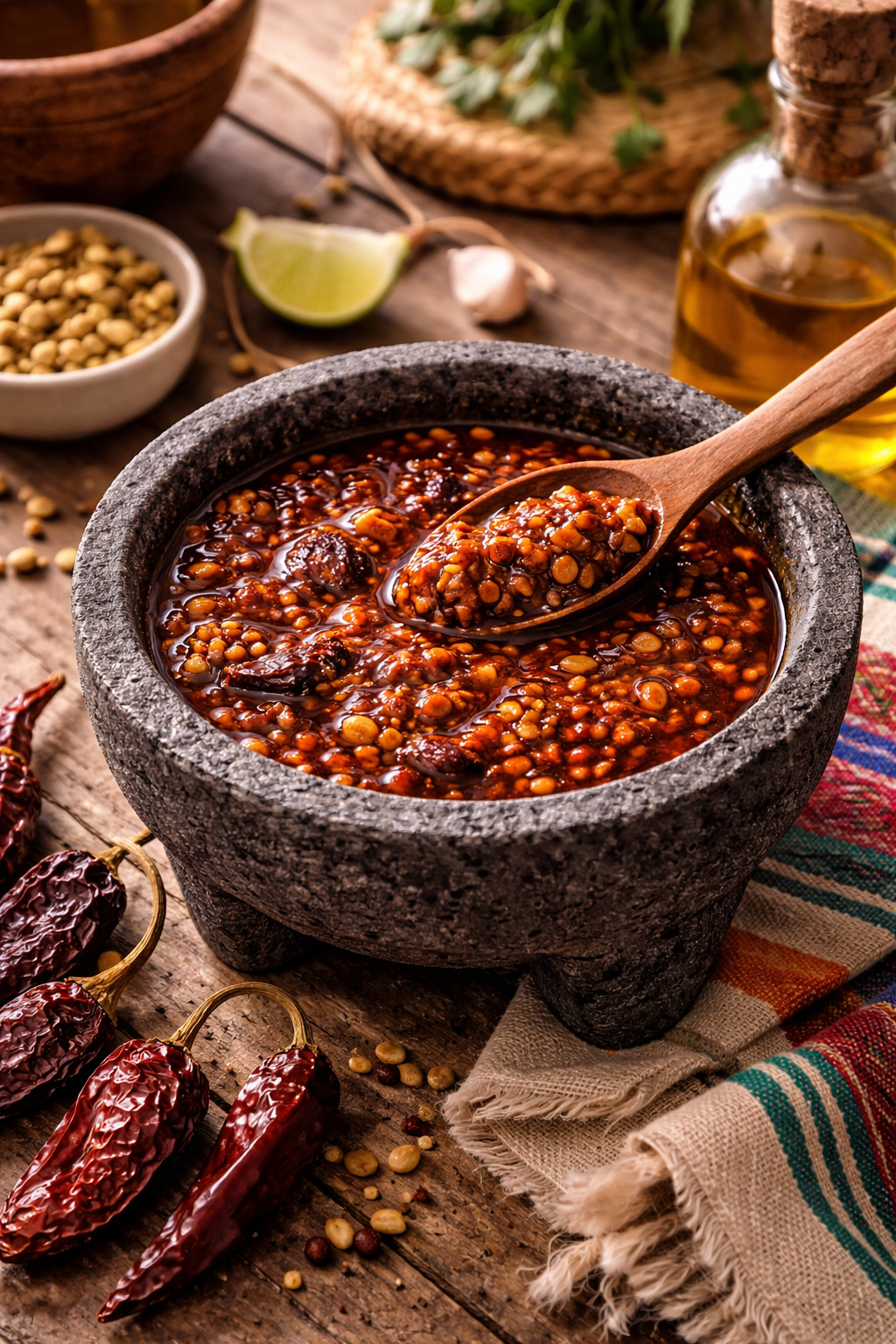
Salsa macha has been a fixture of Veracruz cooking for centuries. Here’s how a regional condiment made from dried chilies, oil, and nuts became one of the most talked-about ingredients in the world.
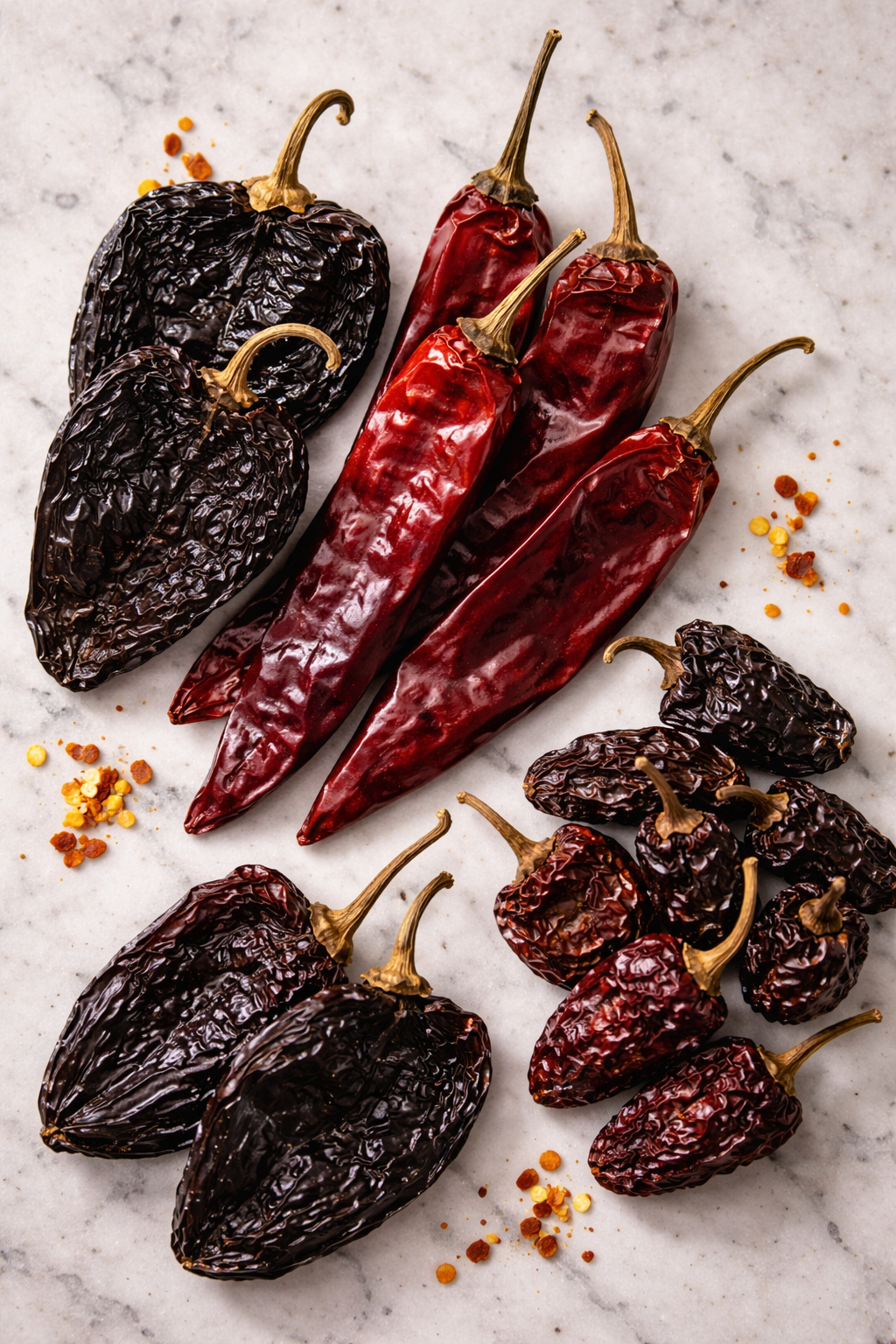
Salsa macha is an oil-based Mexican condiment built on dried chilies, nuts or seeds, garlic, and often vinegar. Here’s what it is, what it tastes like, and how it’s different from chili crisp.
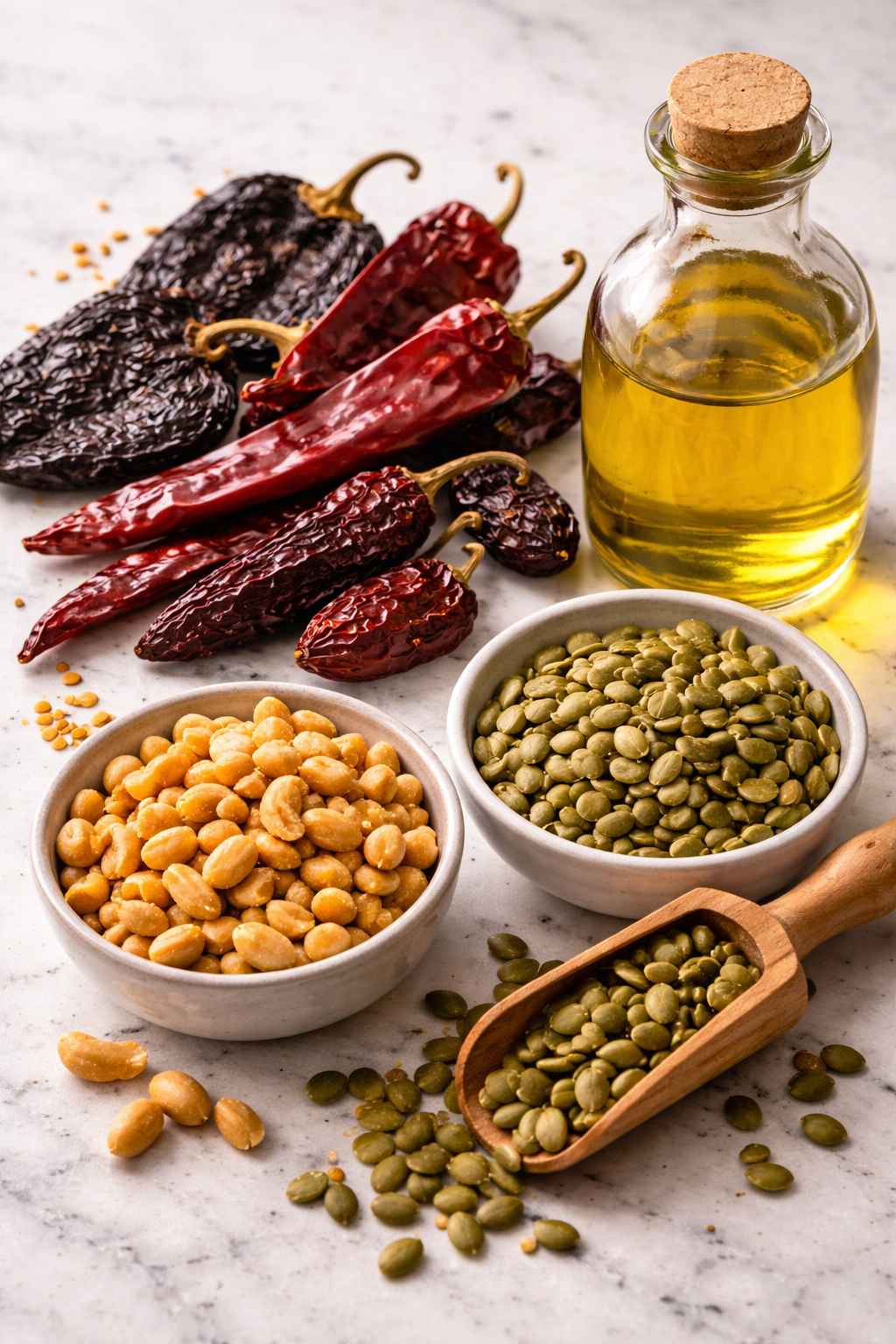
Salsa macha is built from dried chilies, nuts, oil, and not much else — but those choices matter a lot. Here’s how to read the label before you buy.
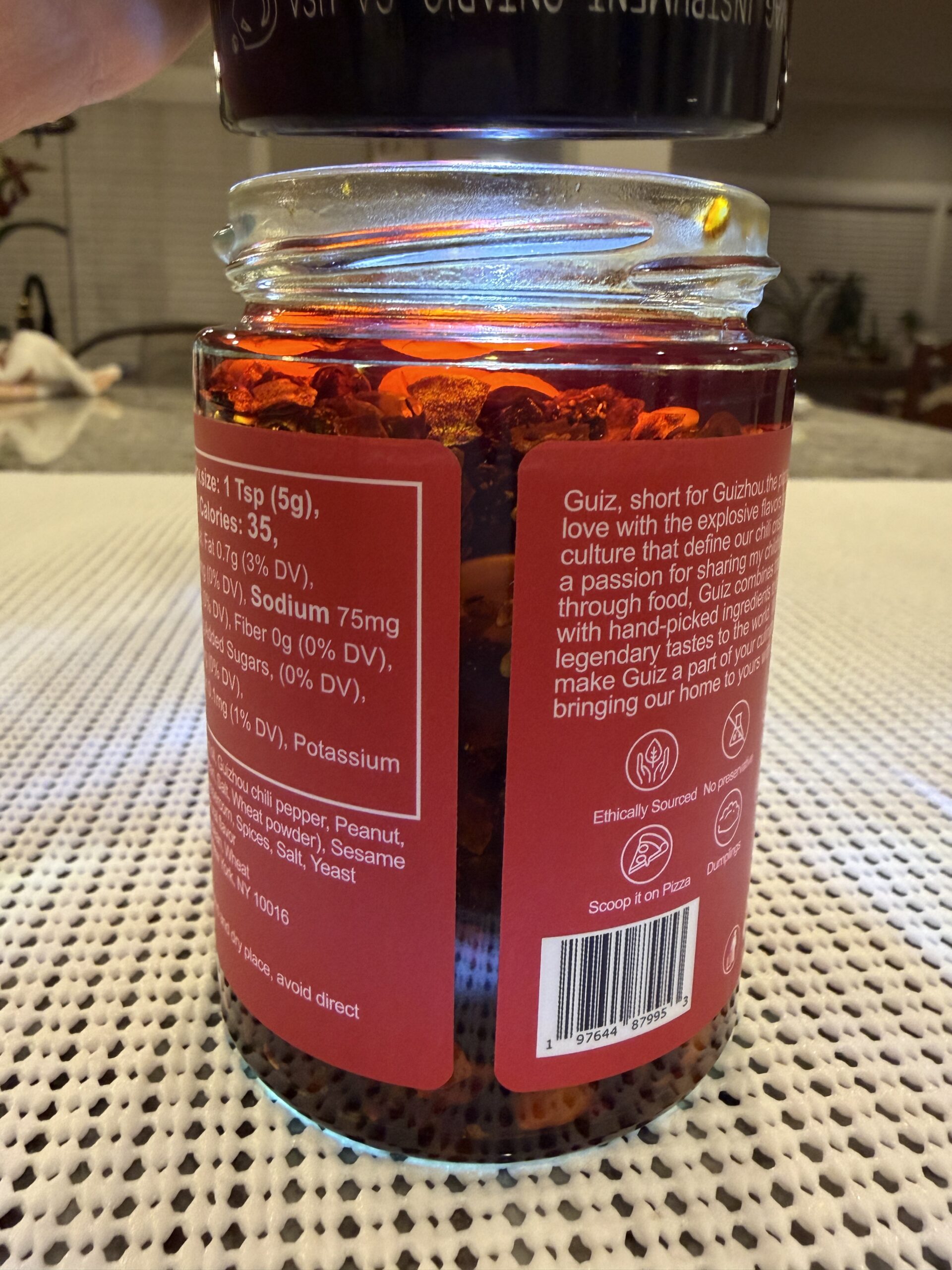
There’s no single chili crisp. Sichuan, Japanese, Calabrian, Korean, fusion — each style has a distinct character. Here’s how to read them, what makes each one different, and which to reach for when.