
Most chili crisp is gluten free. But “most” isn’t “all,” and the ingredients that introduce gluten aren’t always obvious on a label.
The base formula — oil, fried chilies, fried garlic, salt — contains no gluten. Chilies are gluten free. Oil is gluten free. Garlic is gluten free. The problem shows up in the extras: soy sauce (contains wheat), fermented bean paste (often wheat-based), and certain thickeners or flavor enhancers that use wheat-derived ingredients. If you’re celiac or strictly avoiding gluten, the ingredient list is the only thing that matters — not the brand name and not the label claims.
Where Gluten Hides in Chili Crisp
Three ingredients account for nearly every gluten risk in chili crisp:
Soy sauce. Traditional soy sauce (shoyu, Chinese-style light or dark soy) is brewed with wheat. If soy sauce appears in the ingredient list, the product contains gluten unless the label specifically says “gluten-free soy sauce” or “tamari.” Some products list “soy sauce (water, soybeans, wheat, salt)” — that’s your answer right there.
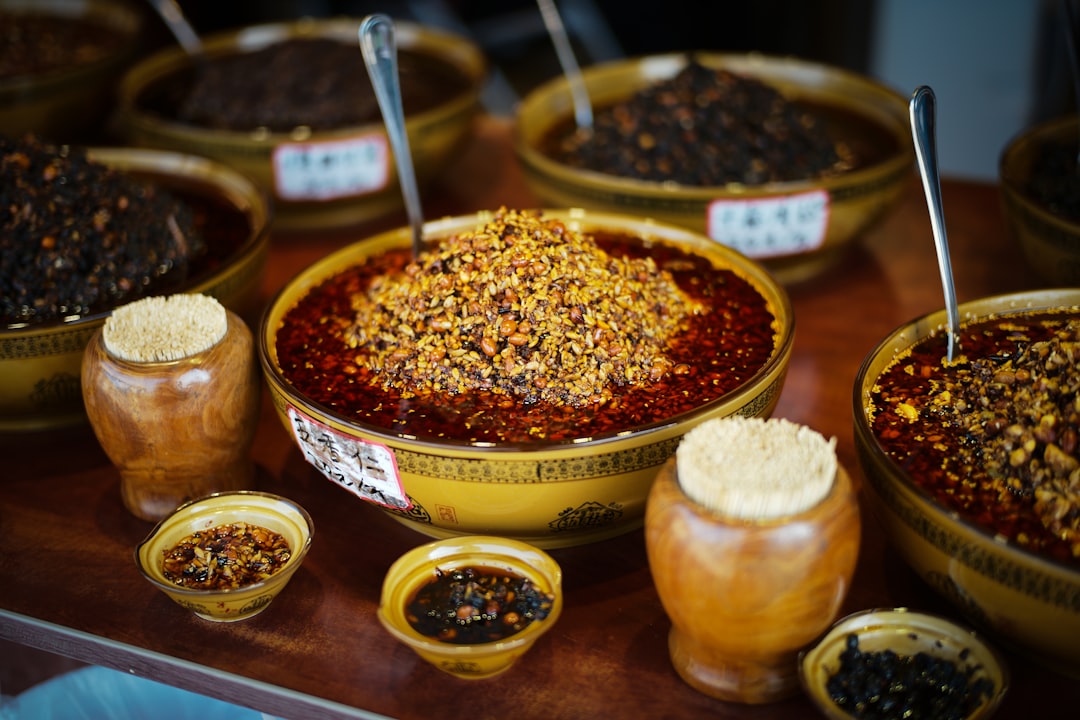
Fermented bean paste (doubanjiang). This is a key ingredient in Sichuan-style chili crisp. Traditional doubanjiang is made from broad beans (fava beans) and chilies — no wheat. But some commercial versions add wheat flour as a processing aid. The label might just say “fermented bean paste” or “chili bean paste” without specifying the base. If gluten matters to you, that ambiguity is a problem.
Wheat-based thickeners or flavorings. Rare in chili crisp but not impossible. Some products use wheat starch, malt extract, or hydrolyzed wheat protein as flavor enhancers. These show up in the ingredient list if they’re there, but you have to look for them specifically.
In the US, FDA requires wheat to be declared either in the ingredient list or in a “Contains: Wheat” statement below it. If neither appears, the product does not contain wheat-derived ingredients. This doesn’t cover cross-contamination from shared facilities — for that, look for a “may contain” or “processed in a facility” statement.
Brands I’ve Reviewed: Gluten Status
I checked the ingredient lists of the brands I’ve tested. Here’s where they land.
| Brand / Product | Gluten Free? | Watch For |
|---|---|---|
| Lao Gan Ma Spicy Chili Crisp | Check label | Some LGM products contain soy sauce with wheat. Ingredient lists vary by product line and region. |
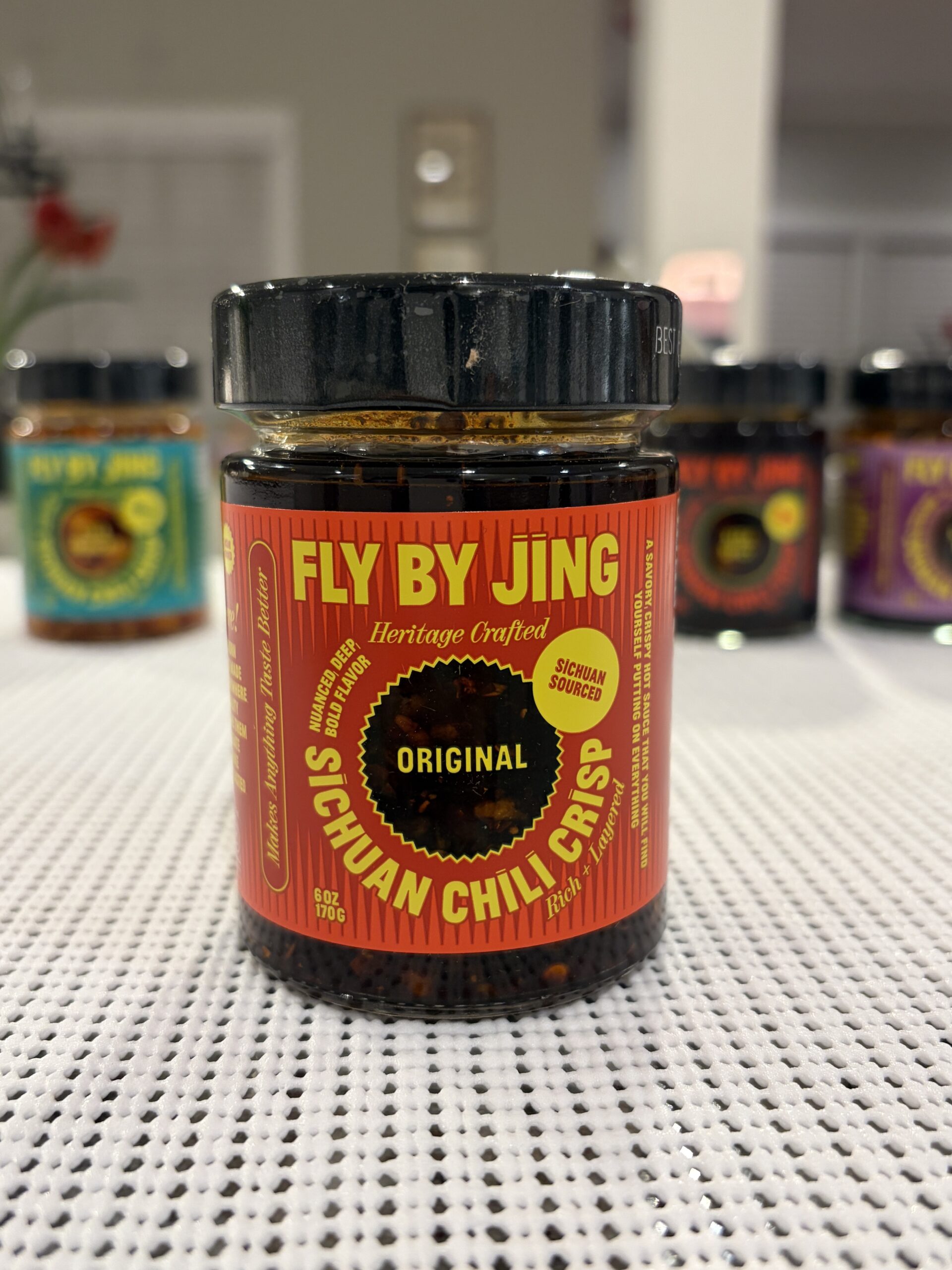
| Fly By Jing Sichuan Chili Crisp | Yes (labeled GF) | Uses tamari (wheat-free soy) and tributyrin instead of traditional soy sauce. |
| Momofuku Chili Crunch | Yes (labeled GF) | No soy sauce in the formulation. Oil, chilies, garlic, shallots. |
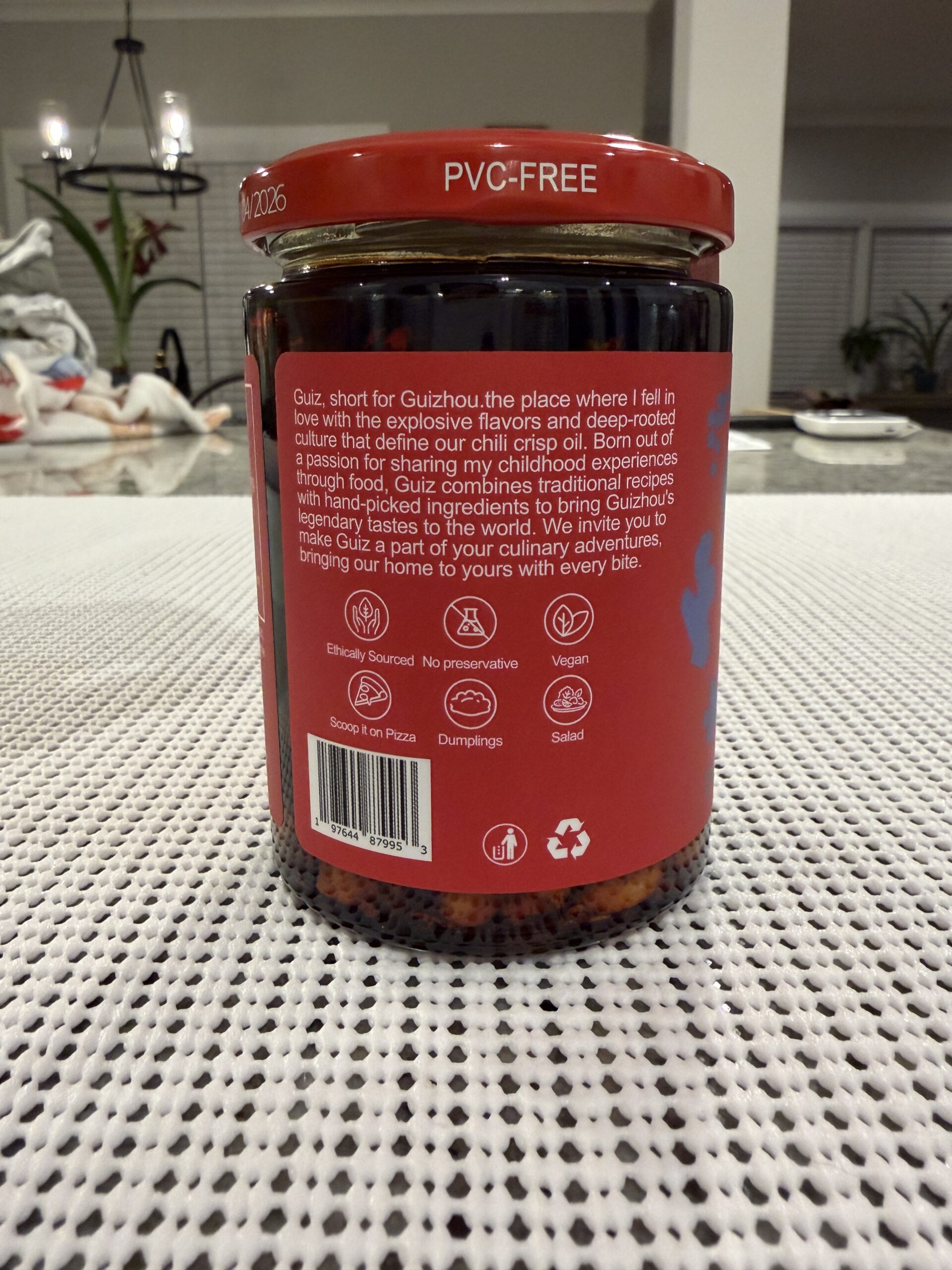
| GUIZ Chili Crisp | Yes (labeled GF) | Clean ingredient list. No soy sauce, no wheat-based ingredients. |
| Trader Joe’s Chili Onion Crunch | Yes | No soy, no wheat. Onion-forward formulation avoids the typical gluten sources. |
| S&B Chili Crisp | Check label | Japanese-style — may contain soy sauce with wheat depending on formulation. |
This isn’t an exhaustive list, and formulations change. Always verify against the current label on your specific jar. Manufacturers reformulate without notice.
Cross-Contamination: The Other Risk
Even if the ingredients are gluten free, the manufacturing environment might not be. Many chili crisp brands — especially those made in large Chinese or Asian food manufacturing facilities — produce other products that contain wheat on the same equipment.
For people with celiac disease, the difference between “no gluten ingredients” and “certified gluten free” is significant. Certified products have been tested to contain less than 20 parts per million (ppm) of gluten, which is the FDA threshold. Products without certification may be ingredient-safe but still carry trace amounts from shared lines.
Fly By Jing and Momofuku both label their products as gluten free, which means they meet the FDA threshold. Lao Gan Ma doesn’t carry a gluten-free label — even for products where the ingredient list looks clean, the manufacturing context is unknown.
How to Check Any Jar
Here’s the process I use, and it takes 30 seconds:
Scan the ingredient list for soy sauce, fermented bean paste, wheat starch, malt, or hydrolyzed wheat protein. Check for a “Contains: Wheat” allergen statement below the ingredient list. Look for “gluten free” on the front label or a third-party GF certification seal. If you’re celiac, also check for “may contain wheat” or “processed in a facility that also processes wheat.”
If none of those red flags appear, the product is almost certainly gluten free. Reading a chili crisp label for gluten risks takes less time than reading this paragraph.
The Bottom Line
The core ingredients in chili crisp — oil, chilies, fried aromatics, salt — are naturally gluten free. Gluten only enters through secondary ingredients like soy sauce or fermented bean paste, and through manufacturing cross-contamination. Most mainstream US-market brands have moved toward gluten-free formulations, but “most” requires verification on every jar you buy.
Read the label. Every time. If the label is clean and the allergen statement is clear, you’re good. If you’re celiac, prioritize brands with explicit gluten-free labeling or certification over brands that simply happen to omit wheat ingredients.
Frequently Asked Questions
Is chili crisp gluten free?
Most chili crisp is gluten free. The base ingredients — oil, dried chilies, fried garlic, salt — contain no gluten. However, some brands include soy sauce (brewed with wheat) or fermented bean paste (which may contain wheat flour). Always check the ingredient list and allergen statement on the specific jar you’re buying.
Does Lao Gan Ma chili crisp have gluten?
Some Lao Gan Ma products contain soy sauce with wheat. The ingredient list varies by product line and region. Check the specific jar — look for soy sauce in the ingredients or a ‘Contains: Wheat’ statement. Lao Gan Ma does not carry a gluten-free certification.
Is Fly By Jing gluten free?
Yes. Fly By Jing labels their Sichuan Chili Crisp as gluten free. They use tamari (wheat-free soy) rather than traditional soy sauce, avoiding the most common gluten source in chili crisp.
What ingredients in chili crisp contain gluten?
The three main sources: soy sauce (brewed with wheat), fermented bean paste or doubanjiang (may contain wheat flour), and wheat-based thickeners or flavorings like wheat starch or malt extract. If none of these appear in the ingredient list or allergen statement, the product is gluten free.
Is chili crisp safe for celiac disease?
Products with a gluten-free label or certification (tested to below 20 ppm) are safe. Products that simply lack wheat ingredients may still have trace gluten from shared manufacturing lines. If you have celiac disease, prioritize certified gluten-free brands like Fly By Jing and Momofuku over brands without certification.
Does soy sauce in chili crisp always mean gluten?
Traditional soy sauce is brewed with wheat and contains gluten. However, some brands use tamari or gluten-free soy sauce instead. The ingredient list will specify — look for ‘soy sauce (soybeans, wheat, water, salt)’ versus ‘tamari’ or ‘gluten-free soy sauce.’ The distinction matters.
Is Momofuku Chili Crunch gluten free?
Yes. Momofuku labels their Chili Crunch as gluten free. The formulation does not include soy sauce or any wheat-derived ingredients.
How can I tell if a chili crisp has gluten?
Check three things: the ingredient list (look for soy sauce, wheat, fermented bean paste, malt), the allergen statement below the ingredients (‘Contains: Wheat’), and the front label for gluten-free claims or certification seals. In the US, FDA requires wheat to be declared if present. This check takes 30 seconds.