
Why is chili crisp so expensive? It isn’t, really. It just looks expensive if the only chili condiment you’ve ever bought was a $3 bottle of Sriracha.
A jar of Lao Gan Ma runs about $4-5 for 7.4 ounces. Trader Joe’s Chili Onion Crunch is around $3 for 6 ounces. These are not expensive products. What costs more — sometimes significantly more — are the DTC (direct-to-consumer) and boutique brands: Fly By Jing at $15-17 for 6 ounces, GUIZ at $13-15 for 8 ounces, or specialty imports that push past $20 a jar.
That price gap is real, and it has real explanations — some justified, some less so.
The Price-Per-Ounce Picture
| Brand | Jar Size | Typical Price | Price/oz |
|---|---|---|---|
| Lao Gan Ma | 7.41 oz | $4.50 | $0.61 |
| Trader Joe’s | 6 oz | $2.99 | $0.50 |
| Momofuku | 5.3 oz | $12.00 | $2.26 |
| Fly By Jing | 6 oz | $15.00 | $2.50 |
| GUIZ | 8 oz | $14.00 | $1.75 |
| S&B | 3.9 oz | $5.50 | $1.41 |
| Lao Gan Ma (24 oz) | 24 oz | $8.00 | $0.33 |
The range is 50 cents to $2.50 per ounce. A Lao Gan Ma family jar at $0.33/oz and a Fly By Jing at $2.50/oz are in the same product category but occupy completely different economic realities. The question isn’t “why is chili crisp expensive” — it’s “why do some jars cost 7x more than others?”
What Actually Drives the Price
Ingredients
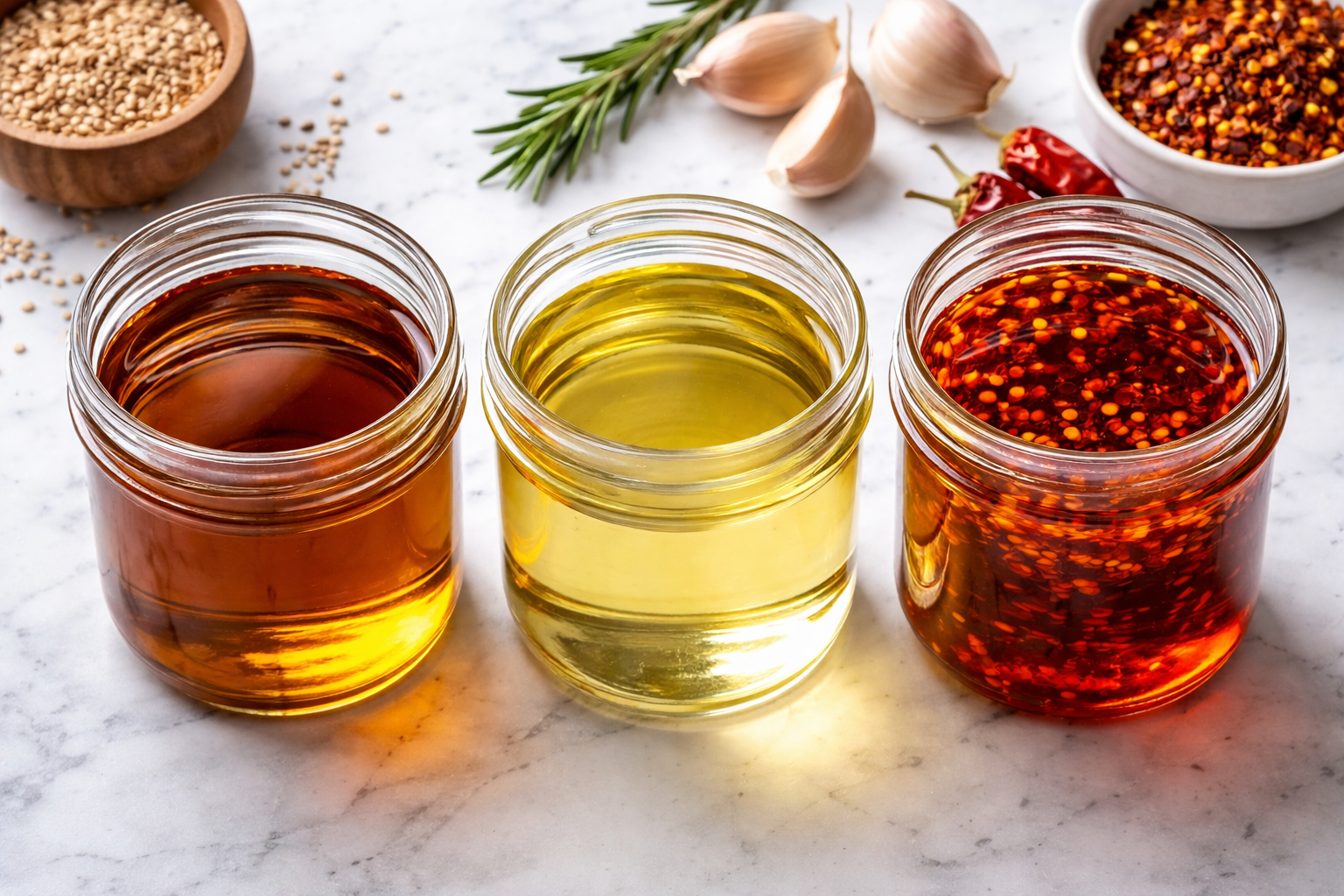
The oil type is the single biggest ingredient cost variable. Soybean oil (what Lao Gan Ma uses) is one of the cheapest cooking oils available. Avocado oil (what Fly By Jing uses) costs 4-6x more per gallon. Sesame oil falls somewhere in between. The oil is the largest ingredient by volume in every jar, so the base oil choice creates a cost floor before anything else goes in.
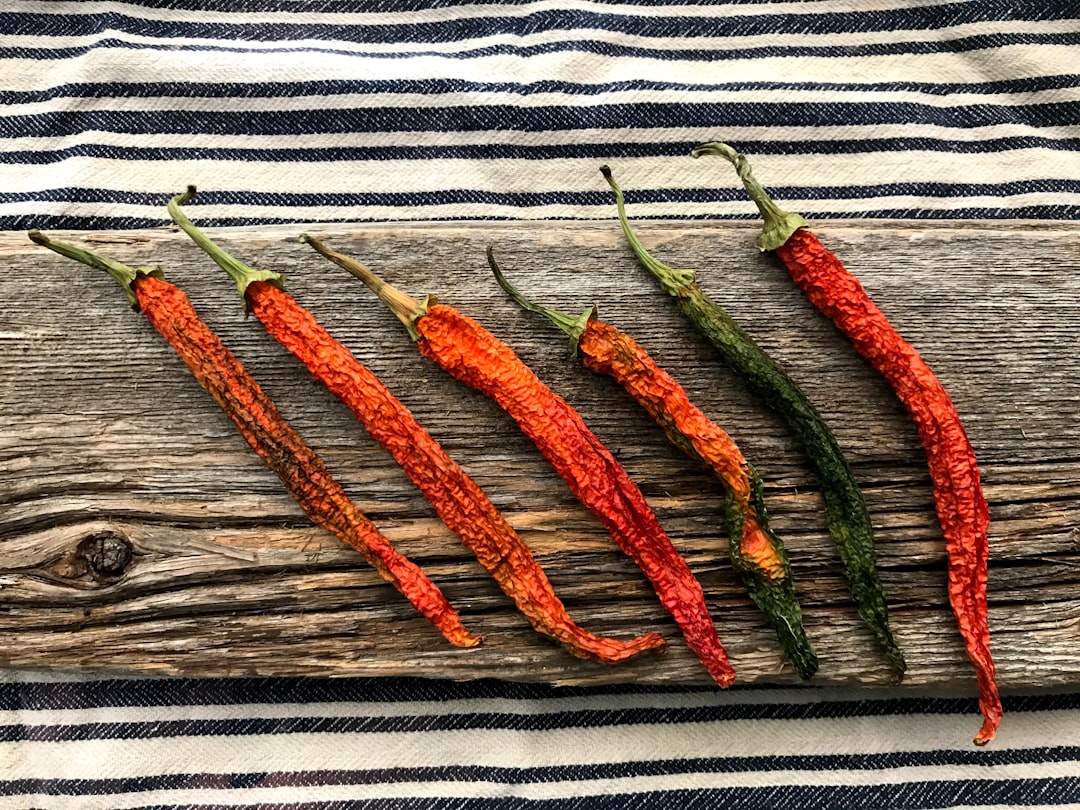
Chili sourcing matters too. Commodity dried chilies from bulk suppliers cost a fraction of sourcing specific varieties — Tribute peppers from Sichuan, dried de árbol from Oaxaca, or single-origin Calabrian chilies. When a brand names specific chili varieties from specific regions, that specificity costs money.
Beyond the two biggest components: Sichuan peppercorns, fermented black beans, high-quality sesame seeds, real fried shallots versus dehydrated onion flakes — every ingredient upgrade adds cost. A jar with 6 quality ingredients costs more to produce than a jar with 3 commodity inputs.
Production Scale
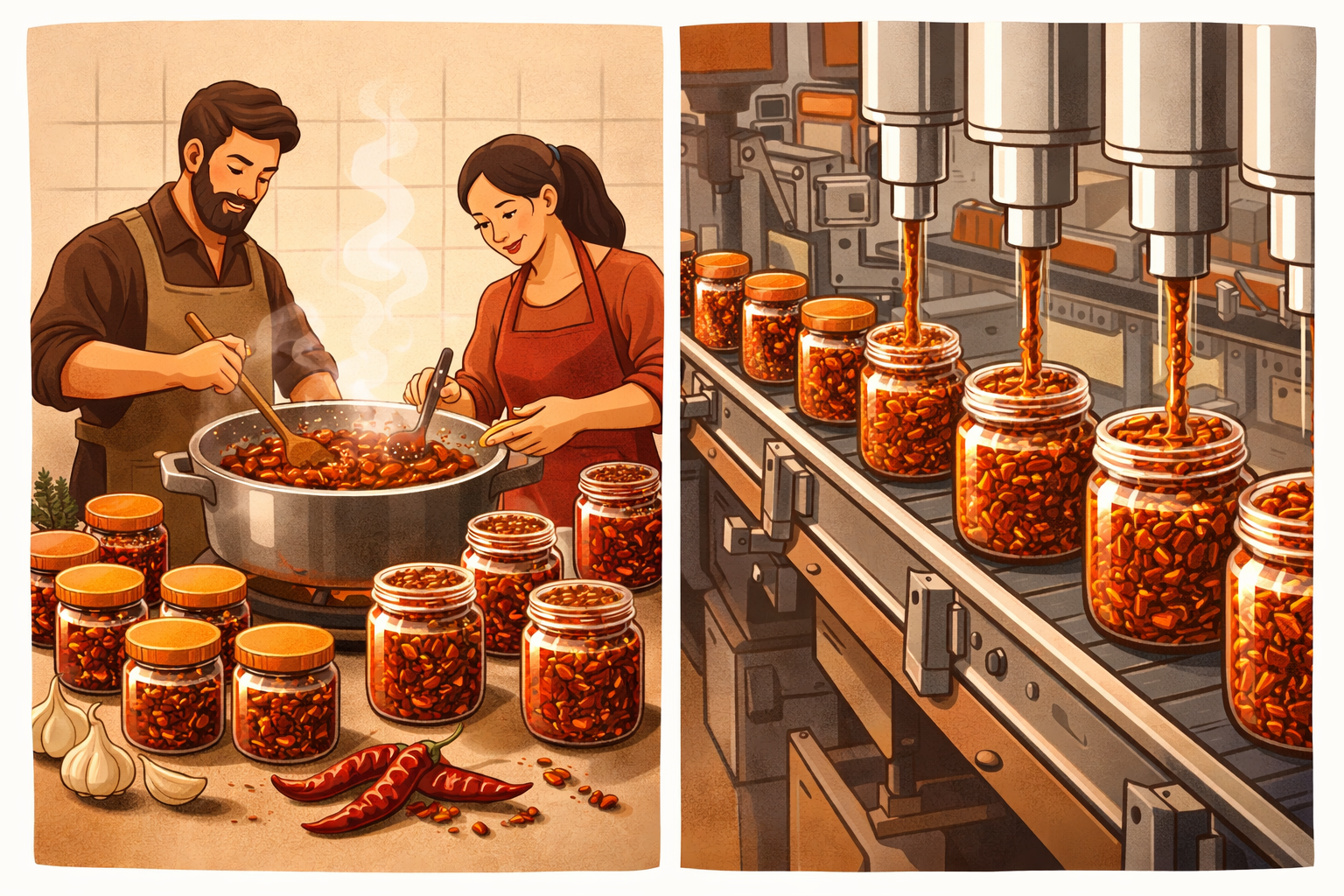
Lao Gan Ma produces at industrial scale — they’re one of the largest condiment manufacturers in China, moving millions of jars annually. That volume drives per-unit costs down across everything: ingredients, manufacturing, packaging, shipping. A small-batch producer making 500 jars a run in a commercial kitchen doesn’t get the same pricing on oil, glass, or labor.
This is the biggest honest reason for the price gap. Scale economics in food manufacturing are massive. A product that costs $1.50 to produce at 10,000 units might cost $0.40 to produce at 10 million units. Neither manufacturer is ripping you off — they’re operating in different economic realities.
Distribution Model
Lao Gan Ma and Trader Joe’s sell through grocery retail — the margins are tight but the volume is high and distribution infrastructure already exists. DTC brands like Fly By Jing and GUIZ sell directly to consumers through their own websites and through Amazon, where fulfillment, packaging, and shipping costs are borne by the brand. That $15 jar includes $2-4 in shipping and fulfillment costs that a grocery-shelf product doesn’t carry.
DTC also means marketing spend. Brand-building through social media, PR, partnerships, and content costs money. That spend gets baked into the jar price. A commodity jar competes on shelf placement; a DTC jar competes on brand recognition. Different game, different costs.
Brand Positioning
There’s a premium segment of the chili crisp market that’s been built by brands like Fly By Jing and Momofuku — designer condiments that market on ingredient quality, founder story, and aesthetic. The price reflects positioning as much as production cost. This isn’t inherently a problem — premium brands often do use better ingredients and more careful production — but some of the price gap is marketing margin, not ingredient margin.
The test is whether the product in the jar justifies the price through what you actually taste. That’s what reviews are for.
Is the Premium Worth It?
Sometimes. Not always.
I’ve tasted $15 jars that were noticeably better than Lao Gan Ma — more complex, better oil, more thoughtful heat. GUIZ earned its price through the jar. I’ve also tasted $12-15 jars where the premium bought better packaging and a better Instagram feed but not a better product inside.
If you’re new to chili crisp, start with a Lao Gan Ma or a Trader Joe’s. Both are under $5 and they’ll tell you whether you want to go deeper. If the answer is yes — and it usually is — then explore the premium brands knowing what you liked and didn’t like about the budget options. You’ll be spending the extra money with a calibrated palate, which means you’ll know whether the upgrade was worth it.
Even at $2.50/oz, chili crisp is inexpensive per use. A tablespoon is about half an ounce — roughly $1.25 of product at the premium end. That tablespoon transforms an entire plate of food. Compared to a $4 latte or a $6 bag of chips, even expensive chili crisp is a bargain per experience.
Frequently Asked Questions
Why is chili crisp so expensive?
Not all chili crisp is expensive. Budget brands like Lao Gan Ma ($0.61/oz) and Trader Joe’s ($0.50/oz) are very affordable. Premium brands like Fly By Jing ($2.50/oz) cost more due to higher-quality oil (avocado vs. soybean), specific chili sourcing, small-batch production, DTC distribution costs, and brand positioning. The price gap reflects real ingredient and production differences — plus some marketing margin.
What is the cheapest chili crisp?
Trader Joe’s Chili Onion Crunch at about $3 for 6 ounces ($0.50/oz) and Lao Gan Ma at about $4.50 for 7.4 ounces ($0.61/oz) are the most affordable widely available options. The Lao Gan Ma 24-ounce family jar drops to about $0.33/oz — the best per-ounce value on the market.
Is expensive chili crisp worth it?
Sometimes. Premium brands often use better oils, more specific chili varieties, and more careful production. The flavor difference can be noticeable. But not every expensive jar is better — some of the price goes to branding and packaging. Start with a budget jar to calibrate your preferences, then try a premium brand to see if the upgrade matters to you.
Why is Fly By Jing so expensive?
Fly By Jing uses avocado oil (4-6x more expensive than soybean oil), sources specific Tribute peppers and Sichuan peppercorns, produces in smaller batches, and sells primarily DTC with significant marketing and fulfillment costs built into the price. The ingredient quality is genuinely higher than budget brands.
How much does chili crisp cost per serving?
A tablespoon (typical single serving) costs about $0.25-0.30 for budget brands and $1.00-1.25 for premium brands. Even at the high end, a single serving of chili crisp costs less than most snacks, drinks, or condiment alternatives per use.
Why does oil type affect chili crisp price?
Oil is the largest ingredient by volume. Soybean oil (used by Lao Gan Ma and many budget brands) costs a fraction of avocado oil (used by Fly By Jing) or quality sesame oil. The base oil choice sets a cost floor before any other ingredients are added. Better oil doesn’t always mean a better product, but it always means a more expensive one.
Is Lao Gan Ma the best value chili crisp?
On a pure price-per-ounce basis, Lao Gan Ma — especially the 24-ounce jar at about $0.33/oz — is the best value in the category. It’s also the global benchmark product. For most people, it’s the right starting point. Whether it’s the ‘best’ depends on your priorities — some premium brands offer more complex flavor, better oil, and cleaner ingredient lists.
Why do small-batch chili crisps cost more?
Scale economics. A small-batch producer making 500 jars per run pays more per unit for ingredients, glass, labels, and labor than a manufacturer producing millions of jars annually. Add DTC fulfillment costs, marketing, and thinner margins, and a small-batch jar can cost 3-5x more to produce per unit than an industrial-scale product.