
If you’re wondering what to eat with chili crisp, the short answer is: almost everything. That word — almost — is doing a lot of work in that sentence. Some pairings are obvious. Some are sleeper hits that changed how I eat lunch on a Tuesday. And a few are genuinely bad ideas that I tried so you don’t have to.
This is the honest field guide. Every food here has been tested. Every recommendation names a specific jar. And at the bottom, I’ll tell you what to eat with chili crisp and — just as important — where it doesn’t belong.
Morning Moves
Fried Eggs
This is the single best way to introduce someone to chili crisp. Fry an egg — over easy or sunny side up, white just set, yolk still runny. Spoon chili crisp directly onto the egg while it’s still in the pan. The oil bastes into the white, the bits land on top and hold their crunch against the heat.
You want a crunchier jar here, not something oil-heavy. The egg already has fat — what it needs is texture and heat. GUIZ Original is my first pick. Fly By Jing Xtra Crunchy works too — bigger bits, more surface area, holds up on a wet yolk.
Scrambled Eggs
Different move entirely. Fold it in at the very end, off heat, while the curds are still soft. The bits distribute through the eggs instead of sitting on top. You don’t want something aggressive here — the eggs are delicate and a heavy Sichuan jar will bulldoze them. Trader Joe’s Chili Onion Crunch is good for this. So is S&B Crunchy Garlic — mild, savory, doesn’t fight the eggs.
Avocado Toast
Fat on fat. The chili oil melds into the avocado and the bits add the crunch that toast alone can’t deliver. Don’t overthink the bread — sourdough or anything with structure. A tablespoon on top, maybe a pinch of flaky salt. That’s it.
Breakfast Sandwich
Spread chili crisp on the bread the way you’d use hot sauce, but better. The oil soaks into the bread, the bits stick instead of sliding off like a liquid sauce does. Works on a bacon-egg-cheese, a sausage biscuit, anything savory between two pieces of bread.
The Lunch Upgrade
Instant Ramen
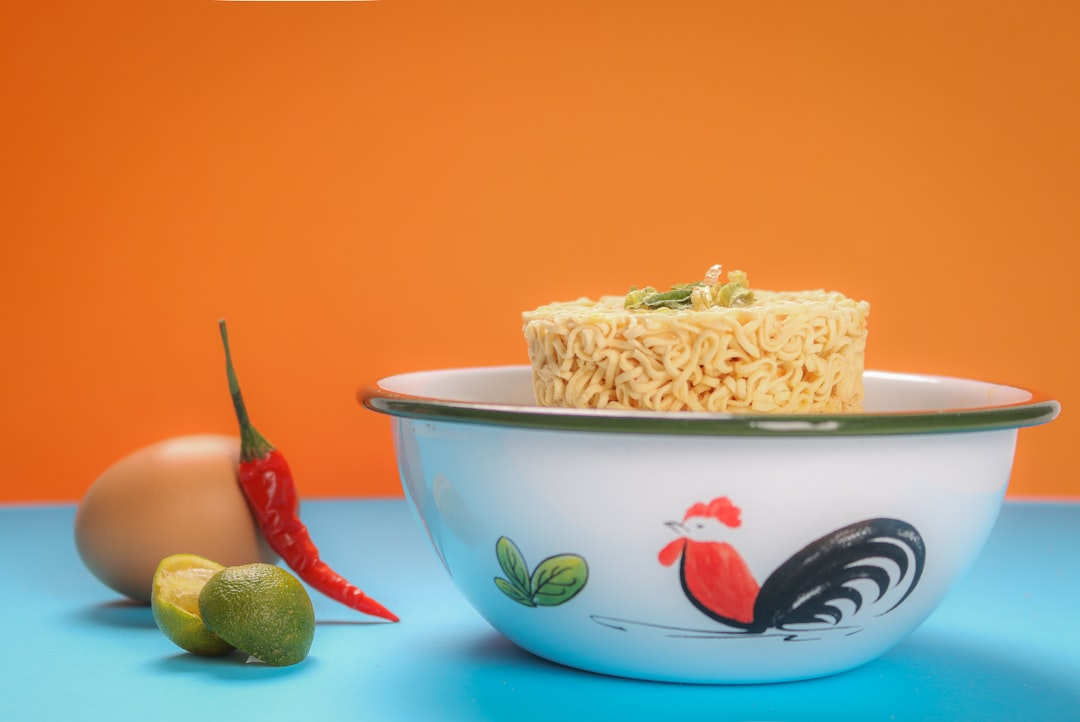
The most obvious pairing and the most effective. Add a tablespoon to the finished bowl — the oil integrates into the broth, the bits float on top like they were always supposed to be there. For broth-heavy ramen, lean toward a chili oil with good aromatics. Momoya is built for this — the sesame oil base disappears into any broth. For dry noodles, use something bit-heavy so you get texture in every forkful.
Rice Bowl
Plain white rice, a fried egg, and a tablespoon of chili crisp. That’s not a side — that’s a meal. The tested version: Lao Gan Ma on steamed white rice. There’s a reason they sell 1.3 million jars a day. The fermented soybean base gives the rice a depth that fancier jars sometimes miss because they’re trying too hard.
Grilled Cheese
The sleeper hit of this entire list. Spread chili crisp on the inside of the bread before grilling. The bits crisp up against the pan, the oil replaces butter on the bread surface, and the cheese melts around everything. You end up with a grilled cheese that has crunch on the bread and heat in the cheese. I didn’t expect this to work as well as it does.
Frozen Pizza
Drizzle chili crisp on a frozen pizza right after it comes out of the oven. The residual heat warms the oil and releases the aromatics. The bits land on the melted cheese and stick. This turns a $5 frozen pizza into something you’d actually tell someone about. Fly By Jing Original is good here — the Sichuan tingle plays well against processed cheese. Any jar with decent oil will work, though.
The Main Event
Steak
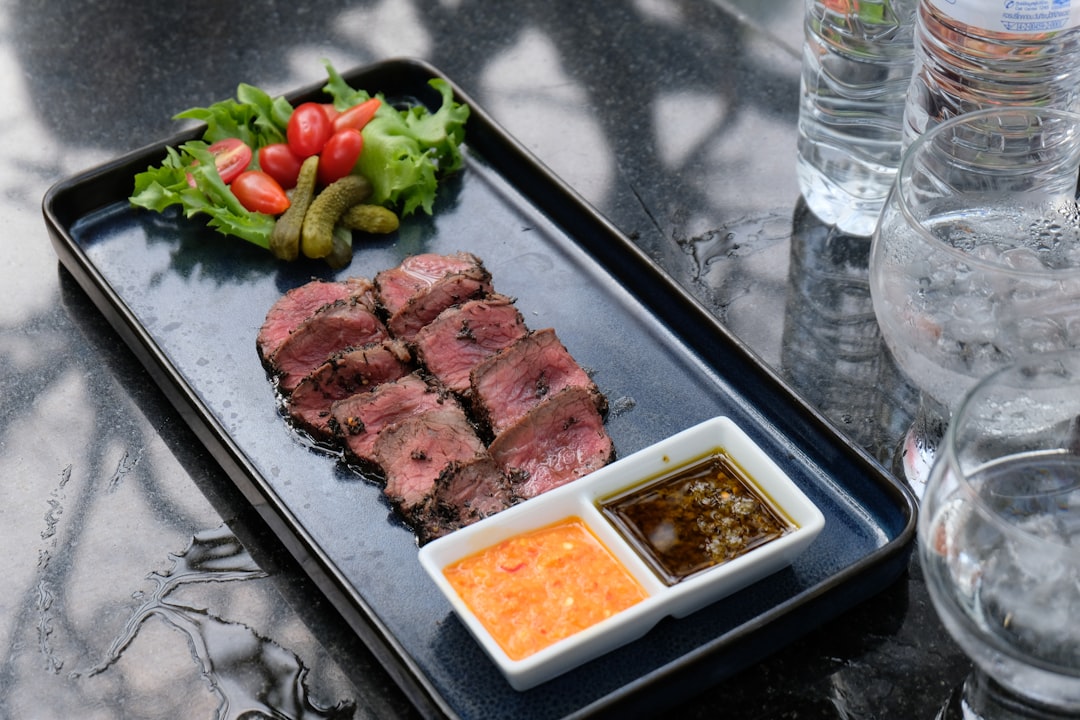
A tablespoon on the plate, not poured over. Let each bite decide how much it gets. Sichuan-style chili crisps work best here — the peppercorn interacts with beef fat in a way that’s hard to describe until you’ve tried it. A light numbing tingle on top of a well-seared strip steak is something. Don’t use sweet or heavy jars — they fight the sear instead of complementing it. GUIZ is my pick for steak.
Pasta
Two approaches. First: toss hot pasta in chili crisp as the sauce — aglio e olio’s spicier, crunchier cousin. Use a good amount of the oil and all the bits you can get on a spoon. This works best with spaghetti or linguine — something that catches the oil. Second: finish a plated pasta with a drizzle on top. The first approach is a commitment. The second is a test run. Both work.
Dumplings
This is the original use case. Chinese chili oil with dumplings isn’t a trend — it’s tradition. If you want the classic experience, use a chili oil with good aromatics and let the dumplings sit in it. If you want texture with your dipping, use a chili crisp. Lao Gan Ma Chili Oil with Fermented Soybeans splits the difference — oil-forward with enough solids to make it interesting.
Wings
Apply after cooking, not before. Chili crisp is a finishing layer, not a glaze. Toss hot wings in a tablespoon right before serving. The oil coats the skin evenly, the bits stick to the surface. The result is a wing that has crunch from the fry and a second layer of crunch from the chili crisp. That double-texture thing is hard to get any other way.
Roasted Vegetables
The sleeper of the dinner section. Roasted broccoli, cauliflower, or Brussels sprouts — anything with char. Spoon chili crisp over the vegetables right off the sheet pan. The oil’s fat carries the flavor into the charred edges, and the bits settle into the crevices. This is one of the easiest ways to make vegetables something you actually want to eat. Not “tolerate” — want.
Between Meals
Popcorn
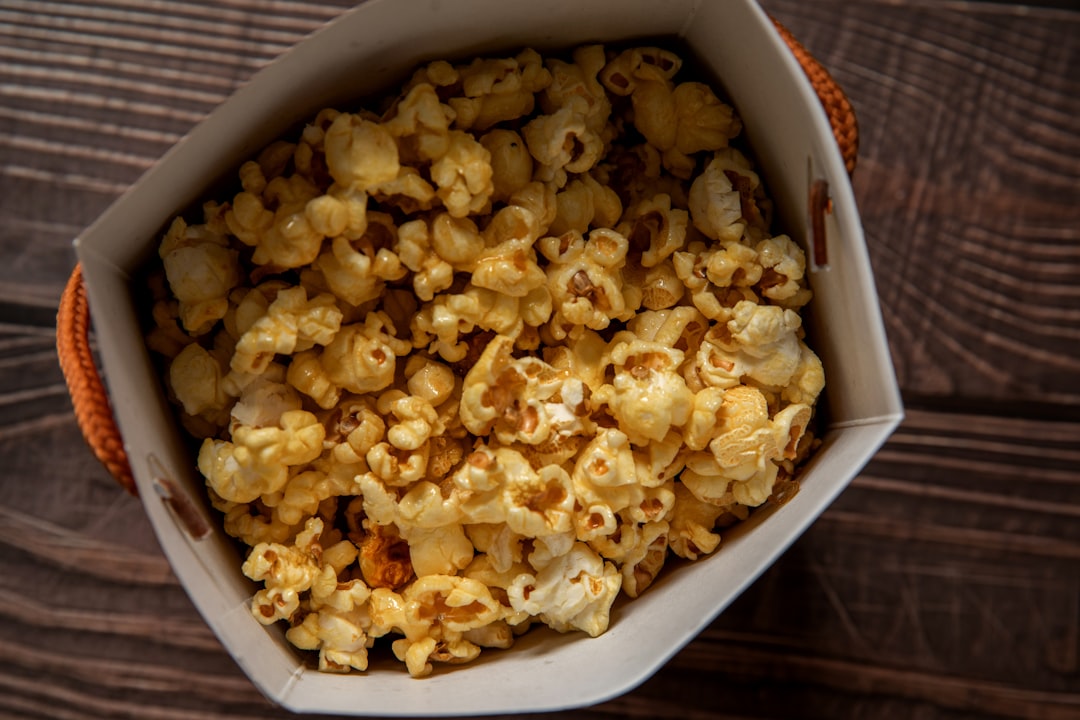
Drizzle the oil — just the oil, strained — over popcorn right out of the microwave or pot. The bits are too heavy and will fall to the bottom of the bowl where they do nothing. Strain them out and save them for something else. The oil alone is where the flavor lives for this one. Toss to coat. The heat is gentle and the savory oil replaces butter without feeling like a compromise.
Mac and Cheese
Stir a tablespoon into the finished mac. The oil distributes through the cheese sauce, the bits add crunch to something that’s usually one texture from top to bottom. Works on boxed Kraft. Works on homemade. The crunch-against-creamy contrast is the whole point — pick a jar with enough bits to matter.
Crackers and Cheese
Spoon chili crisp onto a cracker with a slice of sharp cheddar. The sweet-heat-crunch against aged cheese is a legitimate appetizer. I’ve put this out for people who’ve never heard of chili crisp and watched the jar empty.
Pimento Cheese Sandwich
If you know, you know. The pimento cheese sandwich is already built on a foundation of peppers, mayo, and sharp cheddar — which means it is one short step from chili crisp territory. Mix a tablespoon of chili crisp directly into the cheese spread before you assemble. The oil loosens the texture, the bits add crunch that pimento cheese does not have on its own, and the heat layers on top of the pimento peppers mild sweetness.
This also works with salsa macha — the nuttiness from the pepitas and the smoky dried chili heat play differently than chili crisp but land just as well. Salsa macha in pimento cheese gives you something closer to a smoked pepper spread. Chili crisp gives you crunch and Sichuan tingle against the creaminess. Both are legitimate upgrades to a sandwich that most people have not thought to mess with.
Soft white bread. Keep it simple. The Masters has the right idea — just add better peppers.
On the Smoker (Yes, Really)
If you’re still figuring out what to eat with chili crisp, this section might surprise you. It’s for the BBQ person who keeps the same six sauces on the shelf and hasn’t added anything new in years. Chili crisp isn’t replacing your BBQ sauce. It’s a different tool — a finishing layer that does something sauce can’t.
Brisket
A spoonful of chili crisp on a slice of brisket. The chili oil cuts through the fat cap, the bits contrast the bark. BBQ sauce coats and sweetens. Chili crisp adds brightness, crunch, and a heat profile that’s completely different from anything in the BBQ aisle. You’re not choosing one over the other — you’re adding a layer that didn’t exist before.
Pulled Pork
Mix a tablespoon into a single serving of pulled pork — not the whole batch, one plate at a time. The oil redistributes through the shredded meat, the bits add back the crunch that pulled pork loses during the pull. The texture change alone is worth trying this once.
Ribs
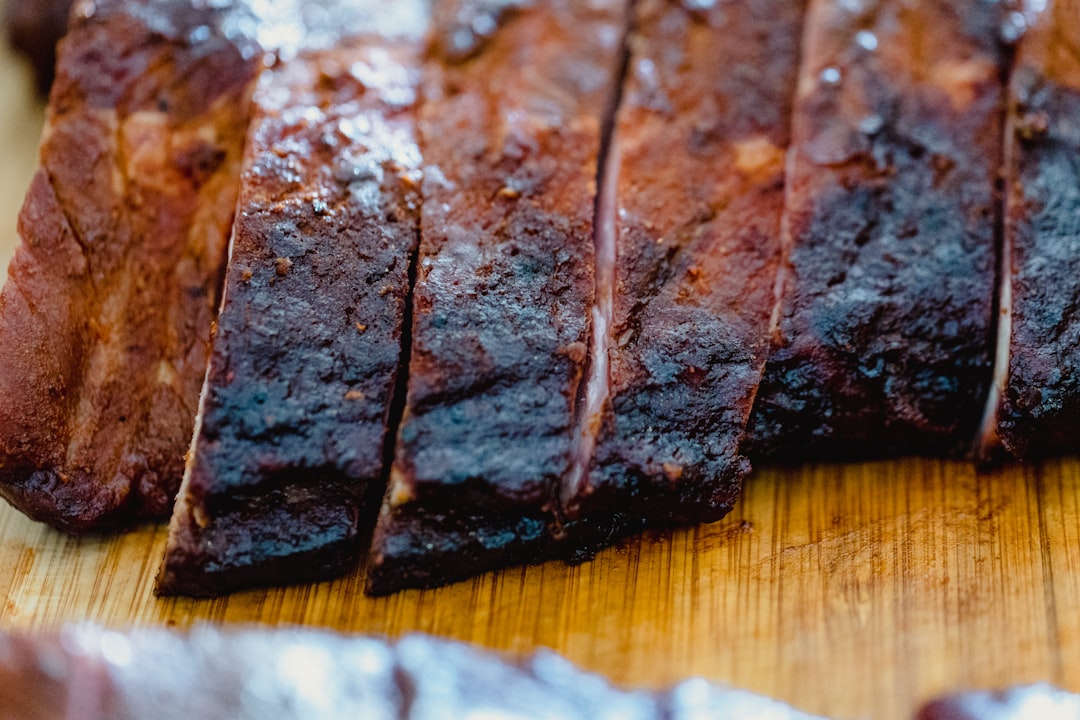
Two options. Brush chili oil onto ribs in the last ten minutes of cooking, like a second glaze. Or serve a jar on the side for dipping. Both work. The glaze approach gives you a lacquered, spicy finish. The dipping approach lets people control the dose.
Where It Doesn’t Work
Anybody can write “put it on everything.” Here’s where I wouldn’t.
Cereal. No. Just no.
Ice cream. Definitely don’t put it on ice cream. I think that’s going to be a routine comment for all my blogs. The oil separates on cold surfaces, the bits get hard and waxy, and the heat doesn’t interact with dairy the way hot honey does. Chili crisp is a savory condiment. Keep it savory.
Delicate white fish. Tilapia, sole, cod — anything mild and flaky. The oil overwhelms the fish and the bits overpower what little flavor is there. Save it for salmon or something with enough fat to hold its own.
Vinegar-heavy dishes. Chili crisp’s oil base and a vinegar-forward dressing fight each other. Don’t put it on a salad dressed with balsamic or a dish that’s already been hit with citrus. The textures and flavors compete instead of layering.
This section is the whole point of a field guide. Trust the recommendations more because I’m honest about the misses.
What to Eat With Chili Crisp: Quick Reference
| Food | Best Jar Style | Phil’s Pick |
|---|---|---|
| Fried eggs | Crunchy, not too oily | GUIZ Original |
| Scrambled eggs | Mild, savory, fine bits | Trader Joe’s Chili Onion Crunch |
| Ramen | Oil-heavy, aromatic | Momoya Chili Oil |
| Rice | Benchmark, reliable | Lao Gan Ma |
| Frozen pizza | Medium crunch, good oil | Fly By Jing Original |
| Steak | Sichuan-style, not sweet | GUIZ Original |
| Dumplings | Good oil, some solids | LGM Chili Oil w/ Soybeans |
| Brisket | Bold, crunchy | Fly By Jing Xtra Crunchy |
| Popcorn | Oil only, strained | Any jar with flavorful oil |
| Mac and cheese | Bit-heavy, good crunch | See full rankings |
Not sure which jar to start with? Read how to build a starter kit or check the full buying guide.
Frequently Asked Questions
What foods go well with chili crisp?
Almost everything savory — eggs, rice, noodles, pizza, steak, dumplings, roasted vegetables, sandwiches, and popcorn (oil only). The key is matching the jar style to the food. Crunchy jars work best on eggs and meat. Oil-heavy jars work best in soups and on rice. See the full field guide for specific jar pairings.
Can you put chili crisp on eggs?
Yes — fried eggs with a spoonful of crunchy chili crisp is the single best entry point for newcomers. For scrambled eggs, fold in a milder jar at the end, off heat. The oil bastes the egg and the bits add crunch.
Does chili crisp work on pizza?
Absolutely. Drizzle it on a pizza right after it comes out of the oven. The heat warms the oil and releases the aromatics, and the bits land on the melted cheese and stick. Works on frozen pizza and fresh.
Can chili crisp be used in cooking?
Chili crisp works best as a finishing condiment. The crispy bits lose their crunch when cooked into a dish for an extended time. Add it at the end of cooking or directly on the plate for the best texture and flavor.
Is chili crisp good on ice cream?
No. The oil separates on cold surfaces, the bits turn hard and waxy, and the heat doesn’t complement dairy desserts the way hot honey does. Chili crisp is a savory condiment — keep it savory.
How much chili crisp should I use?
Start with a teaspoon per serving. A tablespoon is a full serving for most dishes. For popcorn, strain and use just the oil. You can always add more — you can’t take it away.
What’s the best chili crisp for beginners?
Lao Gan Ma Spicy Chili Crisp. It’s inexpensive, available at most grocery stores, and establishes the baseline flavor profile that all other chili crisps are compared against.
Can chili crisp make bland food better?
It’s one of the most effective single-condiment upgrades for bland food. The oil carries fat-soluble flavor, the bits add texture, and the heat adds interest without overwhelming. A frozen pizza, plain rice, or roasted vegetables all transform with a single tablespoon.