Soybeans in Chili Crisp: A Delicate Balance
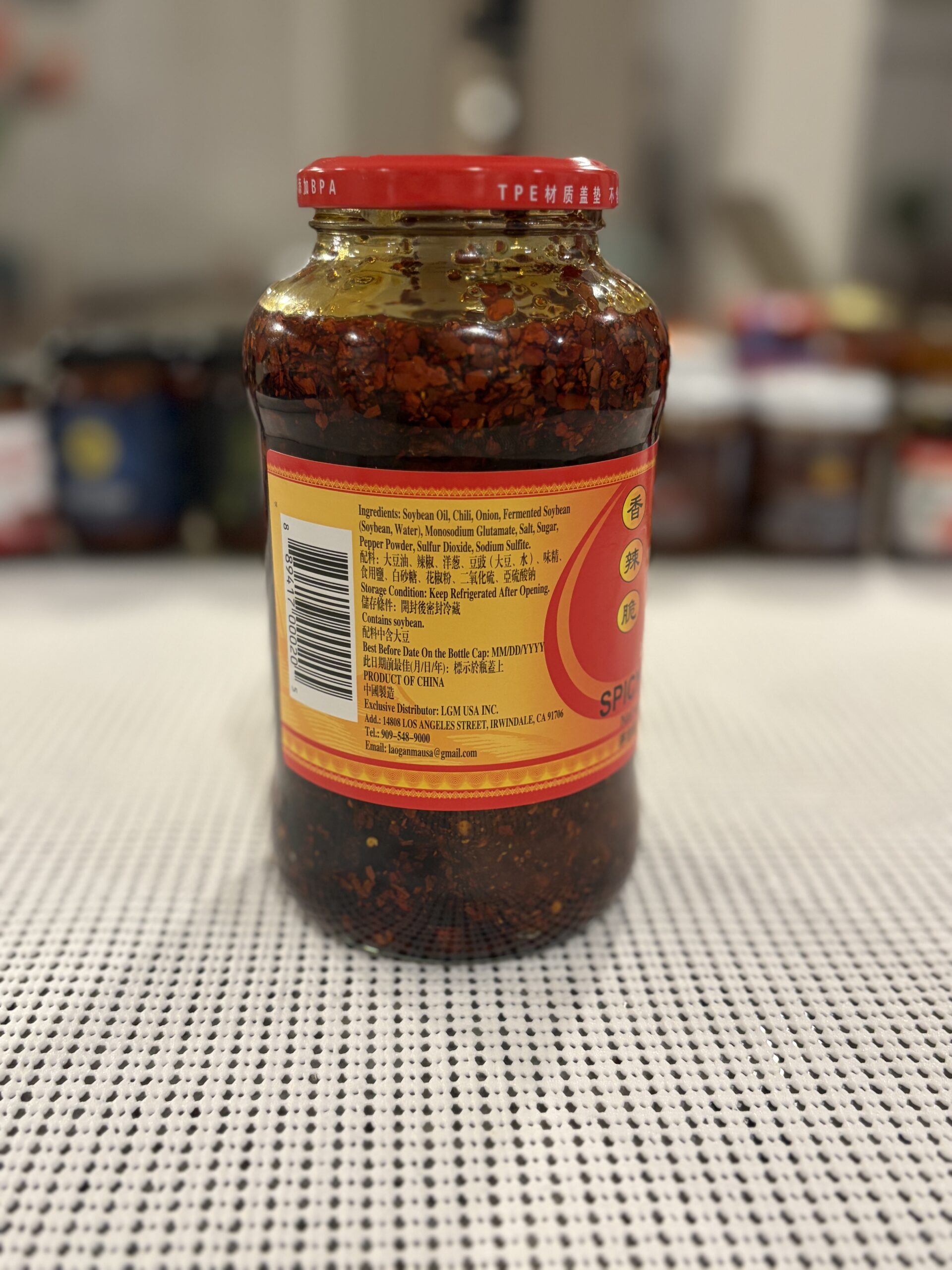
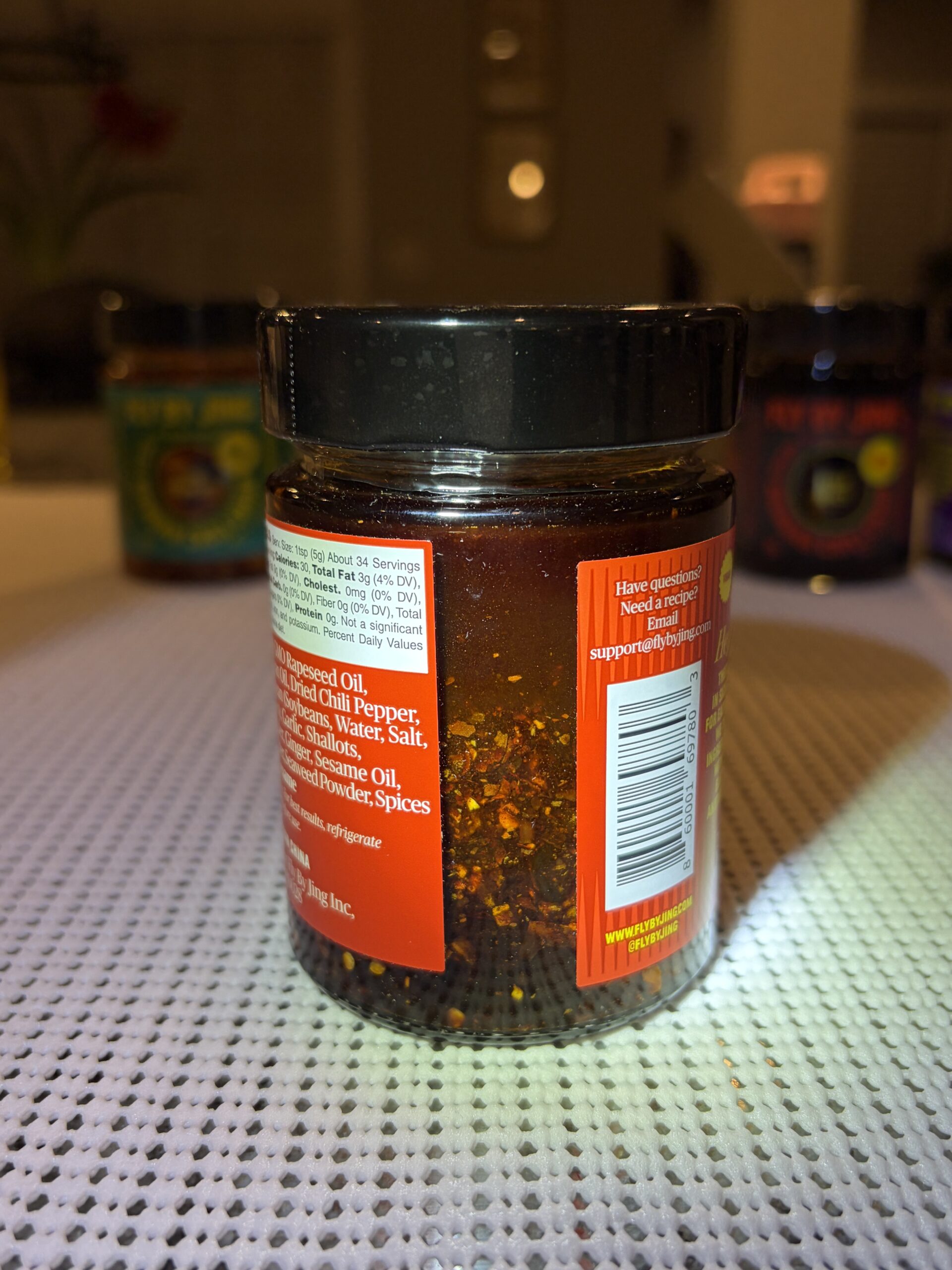
Soybeans are the cheapest way to fake crunch in a chili crisp jar. Here’s how to spot them on the label, why brands use them, and what real crunch looks like.

 Flavor Index Lab Team
Soybeans are the cheapest way to fake crunch in a chili crisp jar. Here’s how to spot them on the label, why brands use them, and what real crunch looks like.
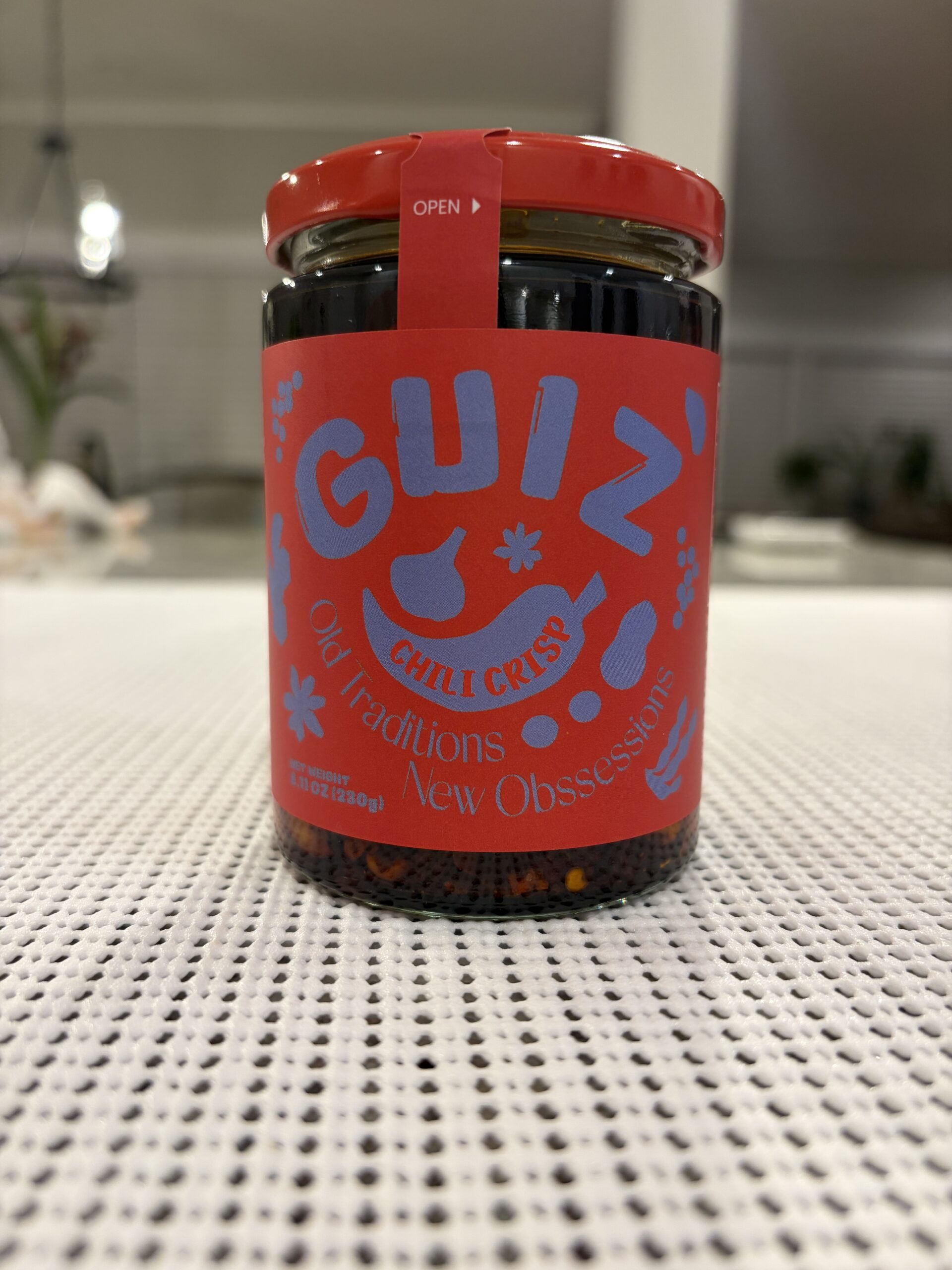
Complete rankings of every chili crisp I’ve tested — sorted by tier, with category picks and affiliate links.
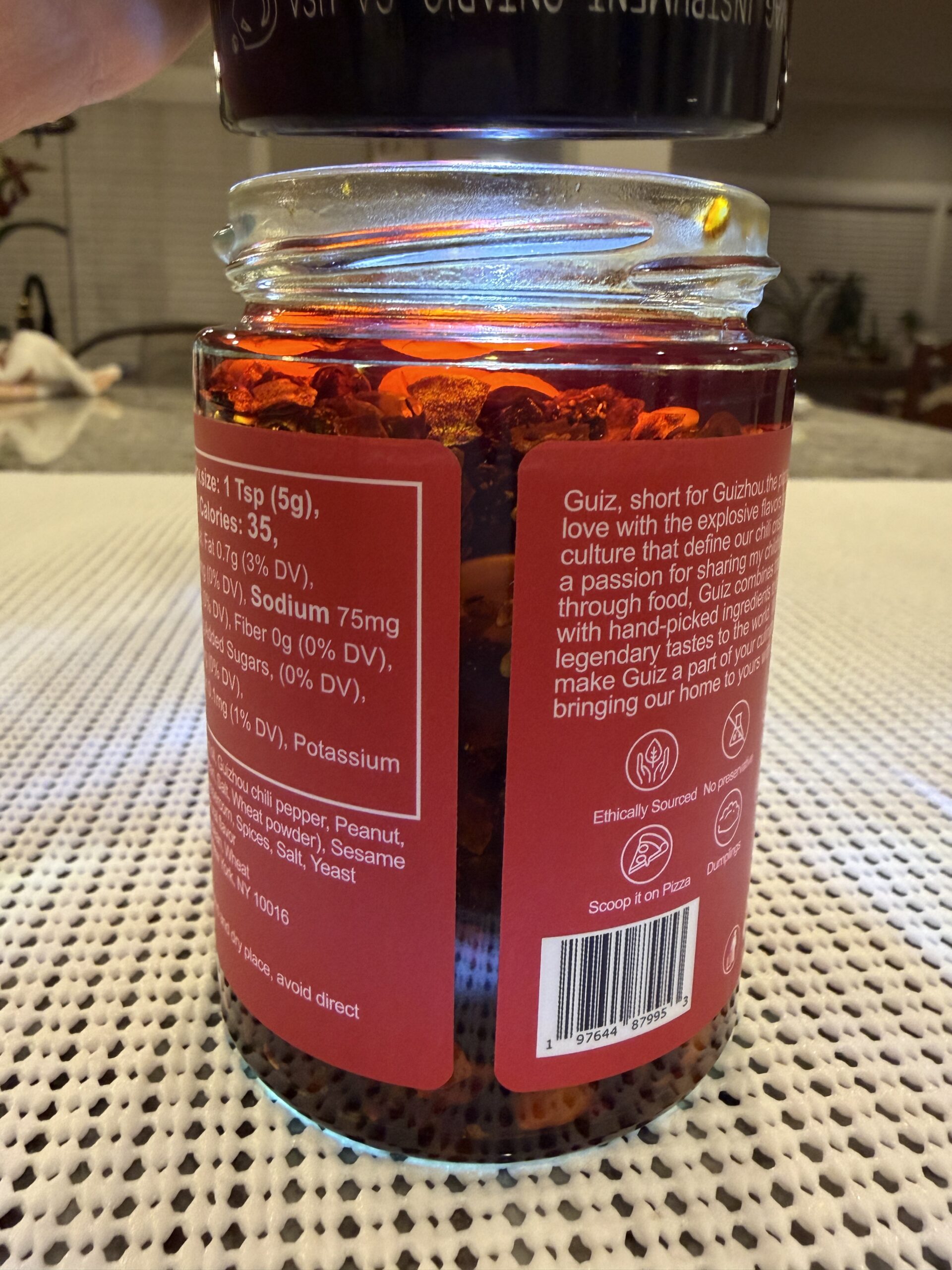
The 3-jar chili crisp starter kit — an everyday jar, a statement jar, and a wildcard. Here’s what to buy first.
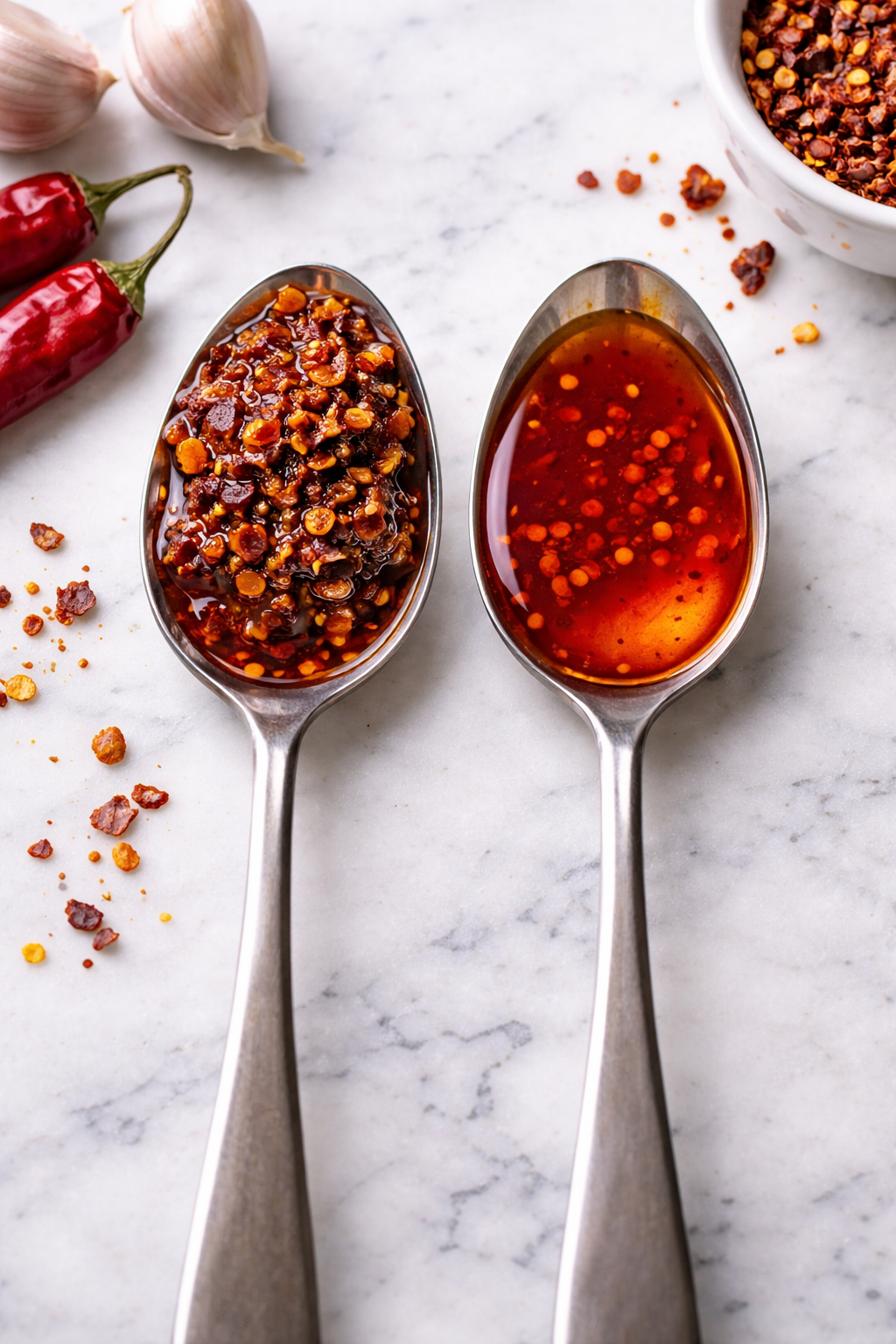
Chili crisp has solids. Chili oil doesn’t. That one difference changes how each product works on food, in cooking, and in your pantry.
Chili crisp works in cooking, but not the way most people try it. The bits burn fast in a hot pan. Here’s where it works and where to use chili oil instead.
Almost always. The standard chili crisp formula is entirely plant-based. The exceptions — shrimp paste, fish sauce, honey — are niche. Here’s how to check.
Most commercial chili crisp doesn’t need the fridge — but it depends on the oil, the ingredients, and how fast you go through a jar. Here’s how to decide.
Chili crisp doesn’t spoil like fresh food, but it does degrade. Here’s how to spot rancid oil, when to toss a jar, and what accelerates the decline.
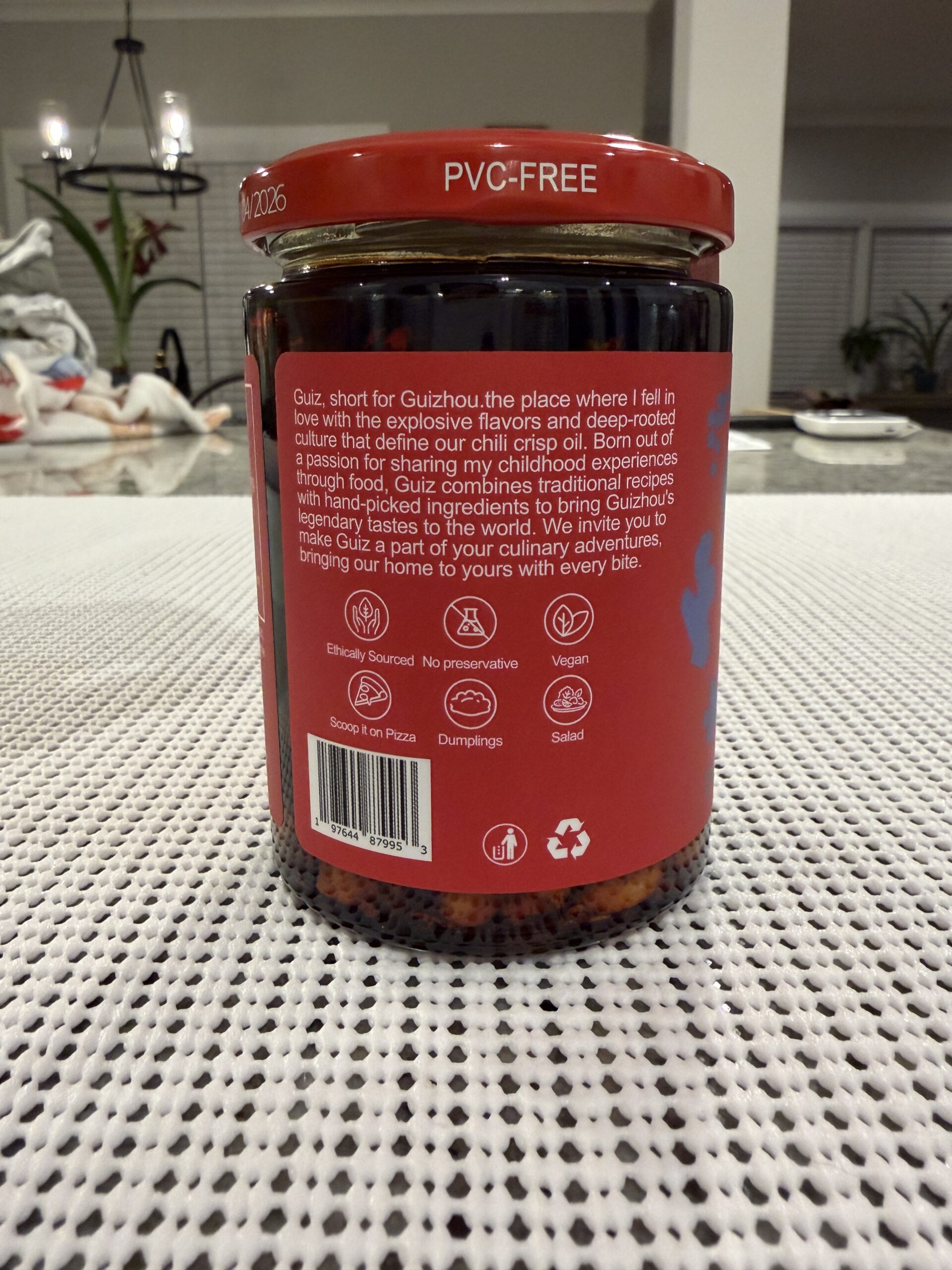
Most chili crisp is gluten free, but soy sauce, fermented bean paste, and cross-contamination mean you need to check every jar. Here’s how.
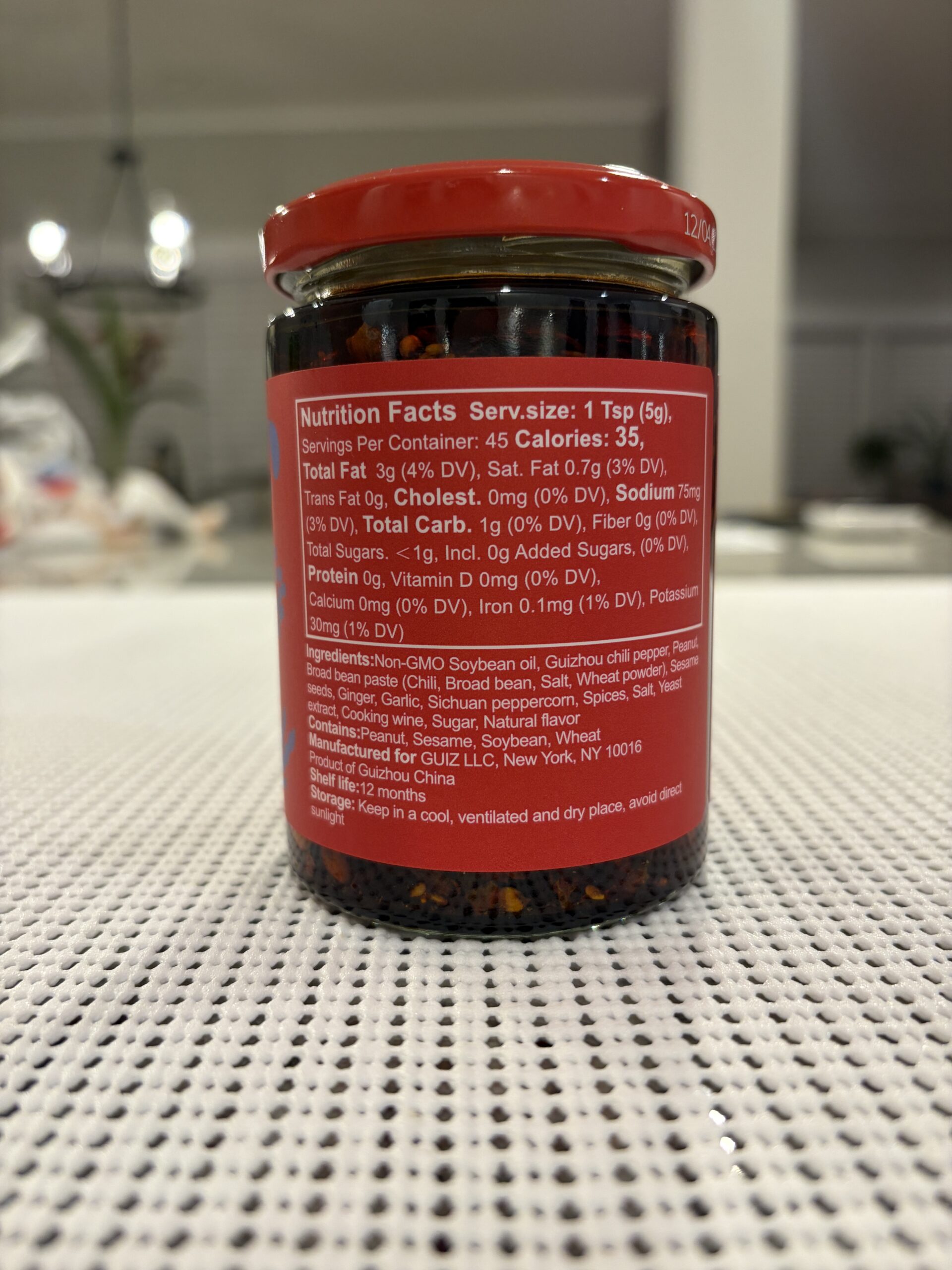
A tablespoon of chili crisp runs 80-200mg sodium depending on the brand. Here’s where it comes from, how serving sizes skew the numbers, and why MSG isn’t the problem.